
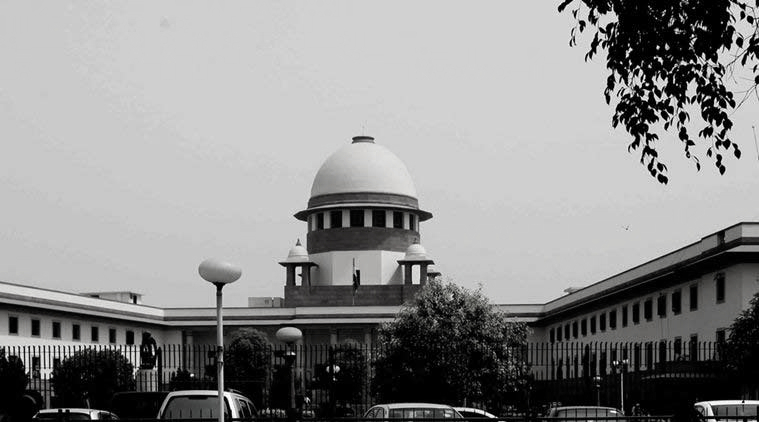
Calls Grow for Specialised Judiciary as Land Disputes Strain Legal System
Mounting land-related litigation is once again under scrutiny, with growing calls for a specialised judicial framework to address the issue more effectively. A significant portion of civil cases in India revolve around land disputes ranging from ownership and inheritance to tenancy and boundary conflicts placing a heavy burden on courts and slowing the delivery of justice.
Legal experts argue that the current system suffers from structural gaps, particularly the overlap between quasi-judicial and judicial functions. Revenue officers, who are administrative officials, often adjudicate land matters at the initial level, while regular courts also hear similar disputes. This dual mechanism frequently results in jurisdictional confusion, parallel proceedings and, at times, conflicting rulings.
Another concern is the lack of formal legal training among many revenue officers handling such cases. Unlike judges, these officials may not possess adequate knowledge of legal procedures or constitutional principles, leading to inconsistent or legally weak decisions . This, in turn, triggers a cycle of appeals, prolonging disputes and increasing costs for litigants.
The absence of uniform adjudication standards across states further complicates matters. Variations in procedures and interpretations of land laws often lead to uneven outcomes, undermining public confidence in the system.
Experts believe that creating a dedicated “revenue judicial service” with trained legal professionals and domain expertise in land laws could significantly improve both the speed and quality of dispute resolution. Such a system could also introduce greater consistency and accountability in decision-making.
The issue also has wider implications for access to justice. Lengthy and repeated litigation disproportionately affects rural populations, for whom land is often the primary asset and source of livelihood.
However, implementing such reforms poses a challenge, as land falls under the jurisdiction of states. Any move towards a specialised judicial structure would require close coordination between the Centre, state governments and the judiciary, including High Courts.
As debates continue, the need for systemic reform is becoming increasingly evident, with stakeholders emphasising that addressing the root causes of land dispute litigation is key to reducing case backlogs and ensuring timely justice.