
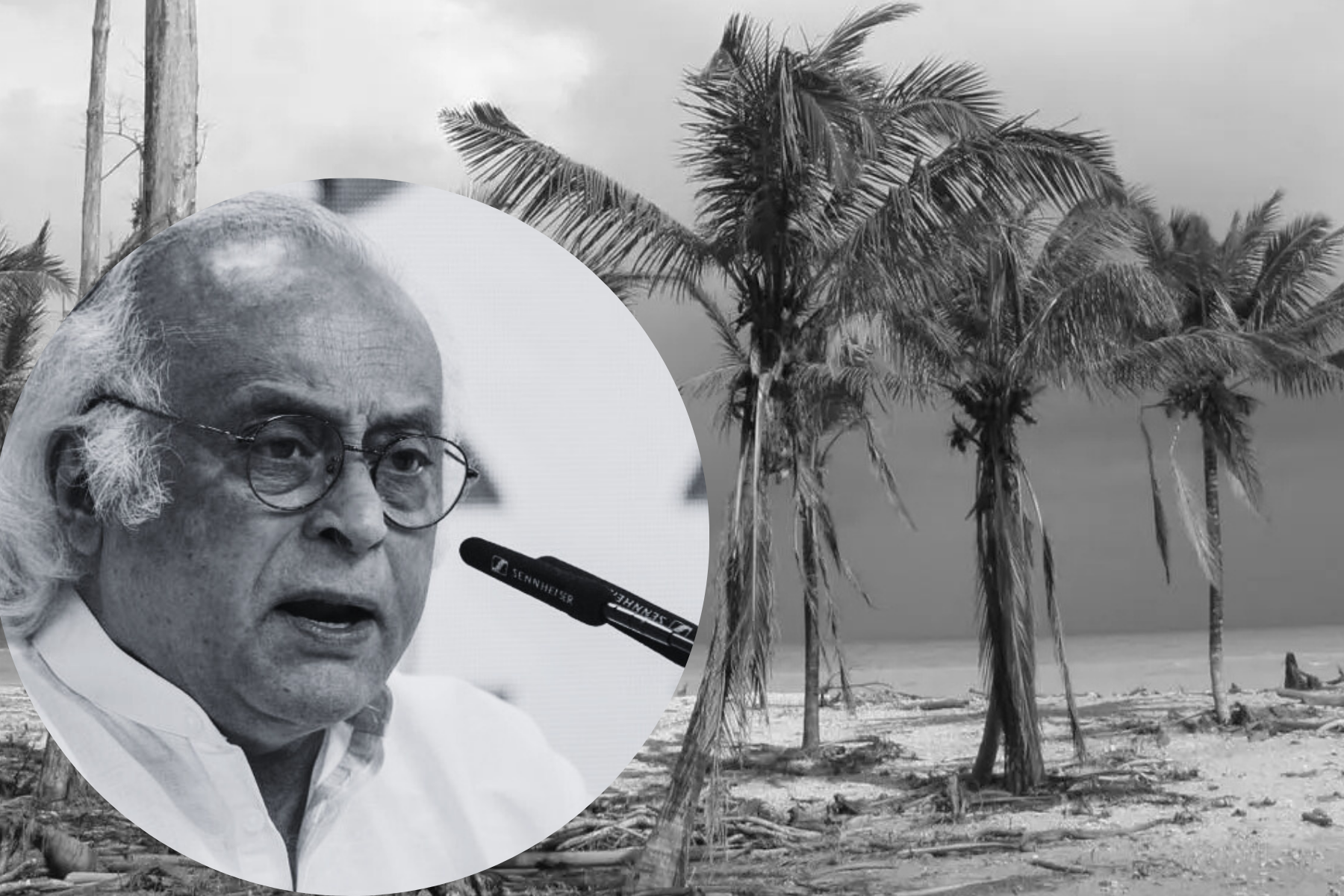
Bulldozing Nicobar, ignoring the law: Congress
The Great Nicobar mega infrastructure project, touted as a strategic and developmental push for the Andaman and Nicobar Islands, is facing serious criticism from the Congress, which claims the Modi government is rushing the project through despite legal challenges and environmental concerns.
Congress general secretary Jairam Ramesh called the project an “ecological disaster” and accused authorities of bulldozing it while flouting key laws. According to Ramesh, the Andaman and Nicobar Islands Integrated Development Corporation has already invited bids for tree felling, logging, and marking of project areas, even as environmental clearances are under scrutiny in the National Green Tribunal and challenges related to forest rights await hearings in the Calcutta High Court.
The project, envisioned as a multi-purpose infrastructure development initiative, includes building ports, roads, and other facilities on Great Nicobar Island. Its supporters argue that it will improve connectivity, boost trade, and strengthen national security in the strategically located islands. However, critics warn that the plan poses an existential threat to the indigenous Nicobarese tribal communities and could cause irreversible ecological damage.
Ramesh highlighted a key legal controversy: the certification of community and individual rights under the Forest Rights Act, 2006, which the Andaman administration claims to have settled, was challenged by Meena Gupta, a retired IAS officer, in the Calcutta High Court. The petition argues that the process violated both the letter and spirit of the law, undermining protections guaranteed to local tribal communities.
Congress Parliamentary Party chairperson Sonia Gandhi also slammed the project, calling it a “planned misadventure” that disregards legal procedures and threatens the islands’ delicate ecosystem. The opposition leaders argue that the government is prioritizing infrastructure over environmental safeguards and tribal rights, a move that could have long-term consequences for both people and nature.
On the other side, Environment Minister Bhupendra Yadav defended the project, stating that all required clearances have been obtained and emphasizing its importance for national development. Officials argue that the infrastructure will strengthen strategic capabilities, promote economic growth, and create opportunities for local communities.
Experts say the controversy highlights the delicate balance between development and environmental conservation. While India needs to modernize strategic regions, they caution that bypassing legal safeguards and ignoring tribal rights could spark social conflict and ecological damage that may outweigh immediate economic benefits.
The Great Nicobar project, at its core, is a push to develop the remote southern island into a hub for connectivity and infrastructure, including ports, roads, and industrial facilities. But with environmental and legal challenges unresolved, the debate underscores a broader question: Can development proceed without harming fragile ecosystems and the communities that depend on them?