
Bulgaria Votes As Black Sea Ship Attacks Put Russia Ties Under Spotlight
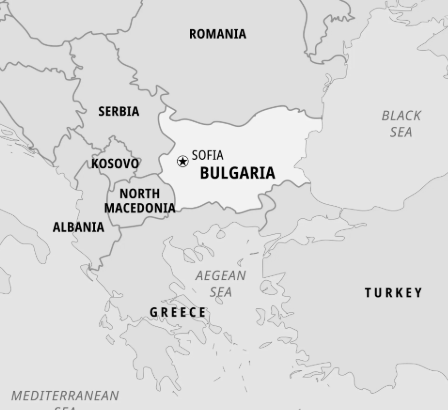
Bulgaria is voting in its presidential election on Sunday, October 25, amid growing security concerns over drone attacks on commercial vessels in the Black Sea, rising living costs and divisions over Russia’s war in Ukraine.
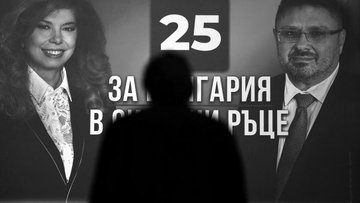
Incumbent President Iliana Iotova, who favours negotiations with Moscow and opposes military assistance to Ukraine, is leading the race, according to pre-election opinion polls. However, she may need a second round on November 1 to secure the presidency.
Iotova, 62, is projected to receive between 41 and 47 per cent of the vote. Her main challenger, Andrey Gyurov, a 50-year-old banker and former caretaker prime minister backed by the pro-Western opposition, is polling at 28-31 per cent. Kostadin Kostadinov, leader of the far-right Vazrazhdane party, which supports closer ties with Russia, is in third place with 10-13 per cent.
Iotova became president earlier this year after Rumen Radev stepped down to contest parliamentary elections and subsequently became prime minister. She has presented herself as a candidate for peace and national unity, arguing that weapons supplies to Ukraine risk prolonging the conflict. Although she supports Bulgaria’s membership of the European Union (EU) and NATO, she advocates dialogue with Moscow.
The election comes as drone attacks on Black Sea shipping heighten concerns that the Russia-Ukraine war could affect regional security. Several vessels were struck off Bulgaria’s coast this month, leaving 21 people missing, according to the supplied report. The incidents are suspected to be linked to the wider conflict.
Radev has said the attacks appear to serve Russia’s interests and summoned the Russian ambassador. However, his government has maintained that there is no evidence directly linking Moscow to the incidents.
The campaign has also focused on poverty, inflation and rising living costs in Bulgaria, the EU’s poorest member state. The result could influence the country’s approach to the war and its relations with Western allies.
Gyurov has criticised Radev’s foreign policy approach and called for stronger cooperation with Western partners. At his final campaign rally in Plovdiv, he pledged to make Bulgaria a dependable NATO ally through military preparedness, diplomacy and clear policy positions.
If Iotova wins the November 1 runoff, she would become Bulgaria’s first directly elected woman president. Although the presidency is largely ceremonial, the outcome could shape public debate on foreign policy and signal the direction Bulgaria intends to take as an EU and NATO member with historically close ties to Russia.