
Bulgaria Heads To Presidential Runoff After Close Election And Record-Low Turnout
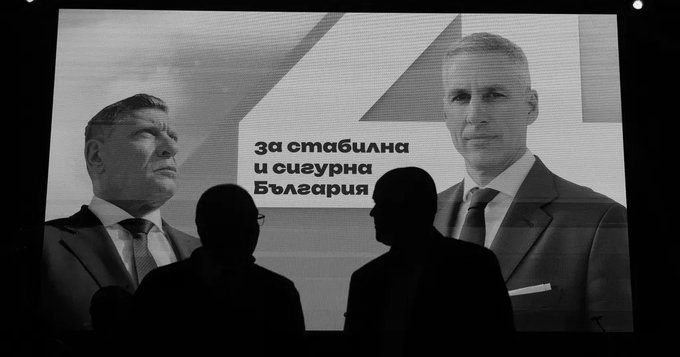
Bulgaria will hold a presidential runoff on November 1 after incumbent Iliana Iotova led a closely contested first round but failed to secure an outright victory. With 99.94% of polling-station protocols processed, Iotova and running mate Kiril Valchev received 34.76% of the vote, while former caretaker prime minister Andrey Gyurov and running mate Georgi Kandev secured 31.94%.
The October 25 election saw record-low voter turnout of around 22%, reflecting widespread public disillusionment with politicians and concerns over rising living costs, energy prices and security threats linked to Russia’s war in Ukraine. Of the 27 presidential tickets contesting the election, none secured the majority required to win outright.
Far-right, pro-Russian candidate Kostadin Kostadinov and running mate Petar Volgin finished third with 12.54%. Another 4.42% of voters selected the option indicating they did not support any candidate.
Iotova, 62, became acting president in January after Rumen Radev resigned to contest parliamentary elections. She is backed by Radev’s Progressive Bulgaria party and the Bulgarian Socialist Party. If elected, she would become Bulgaria’s first directly elected female president.
Iotova and Radev have called for diplomatic negotiations to end Russia’s war in Ukraine and expressed reservations about further military assistance to Kyiv and sanctions targeting Russian energy. Gyurov, 50, an economist and former deputy governor of Bulgaria’s central bank, is backed by pro-Western reformist parties and supports Ukraine. During his tenure as caretaker prime minister earlier this year, he signed a security cooperation agreement with Kyiv.
The campaign was also shaped by drone attacks on commercial vessels in the Black Sea, including in Bulgaria’s and Romania’s exclusive economic zones. The strikes raised concerns about the conflict spilling closer to NATO territory and prompted Sofia to seek assistance from its allies to strengthen maritime security. Bulgaria has not directly accused Russia of carrying out the attacks, although Radev said their outcome benefited Moscow.
Economic pressures also weighed on voters, particularly in rural areas struggling with inflation and rising energy costs. The low participation rate has raised questions about public confidence in the political system.
Gyurov has challenged Iotova to a public debate ahead of the runoff, while she has urged more Bulgarians to participate.
Although largely ceremonial, Bulgaria’s presidency carries influence over the armed forces, legislation and foreign affairs. The November 1 vote will test the country’s approach to Russia, Ukraine and its Western allies.