
Bromance Is Back: Putin Visits China & Xi's Welcome Makes Trump's Visit Look Like a Cold Business Lunch
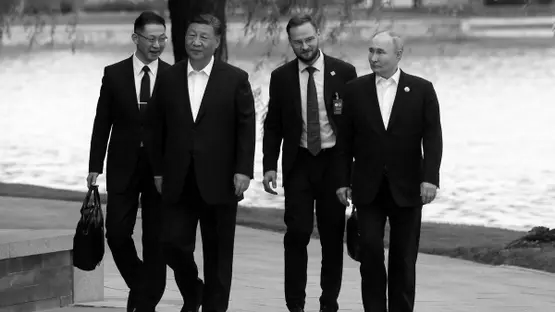
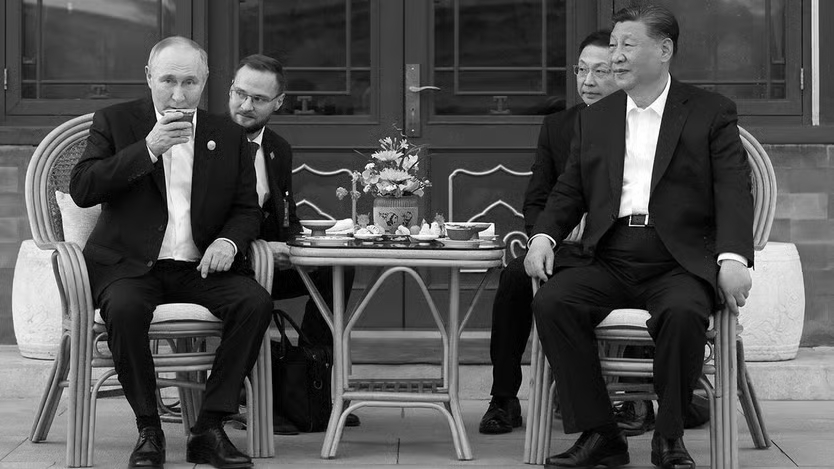
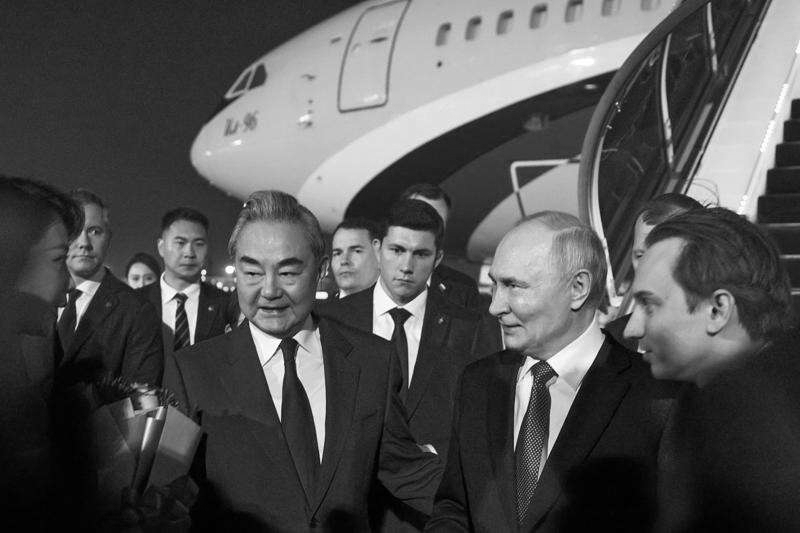
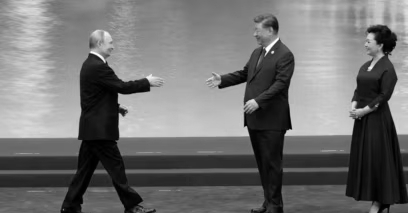
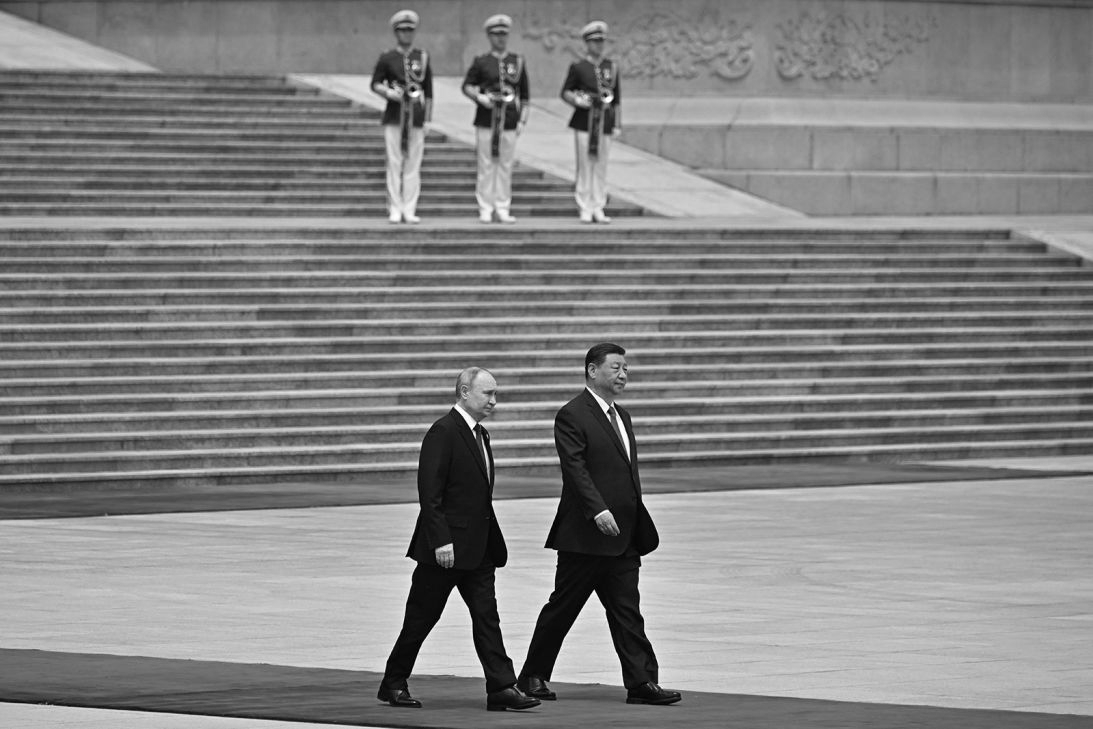
Vladimir Putin has landed in Beijing, and the world is watching. Fresh off hosting Donald Trump , Chinese President Xi Jinping is now rolling out the red carpet for his most trusted partner and the optics could not be more deliberate. Two of the world's most powerful strongmen, standing shoulder to shoulder, sending a message loud enough for Washington to hear without a single word being spoken.
This is Putin's 25th visit to China , and yet it feels anything but routine. Against the backdrop of a grinding war in Ukraine, a volatile West Asia teetering on the brink, and a global order creaking under shifting alliances, this two-day state visit carries enormous weight. But strip away the geopolitics for a moment, and what you find at the centre of it all is one of the most fascinating personal relationships in modern history .
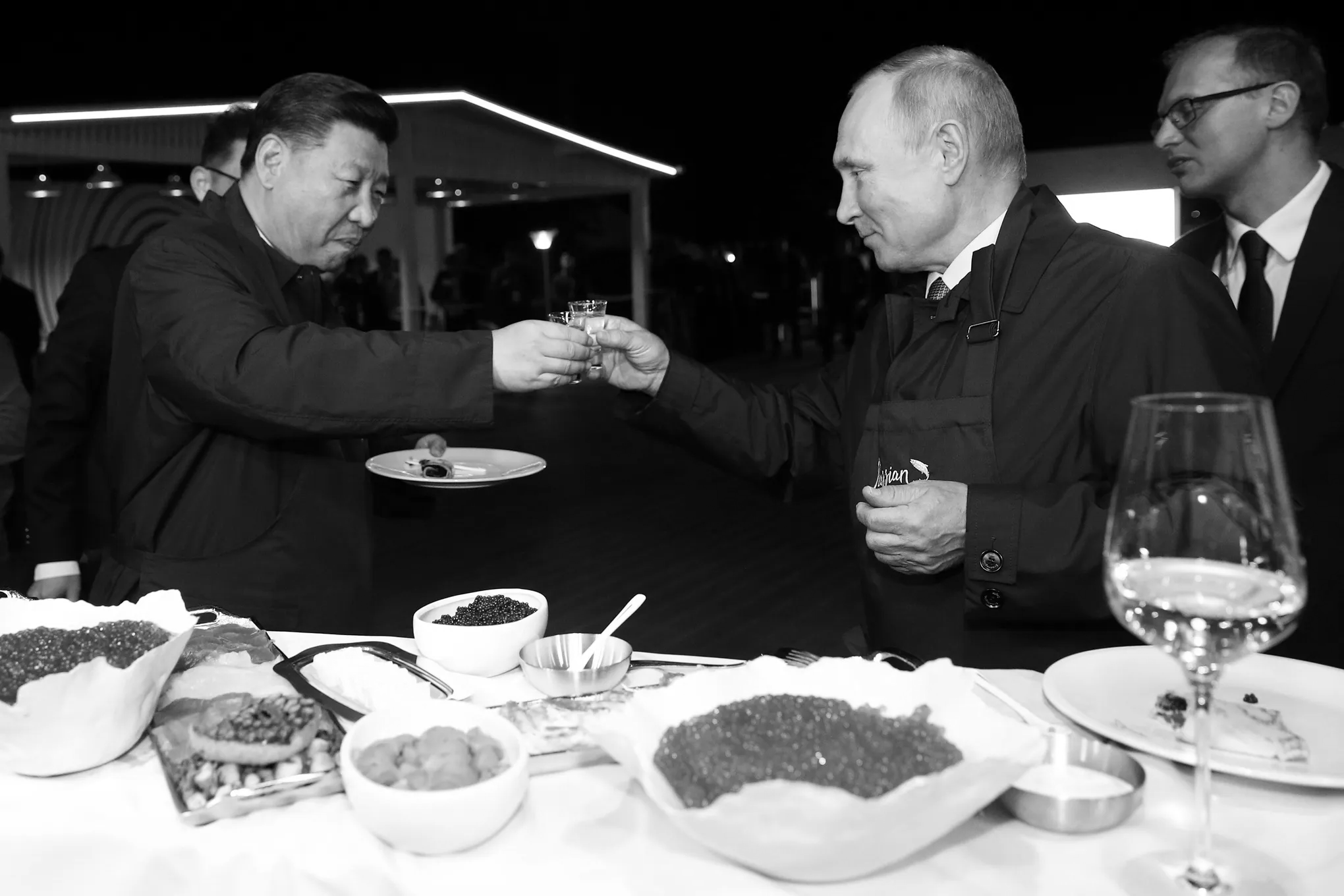
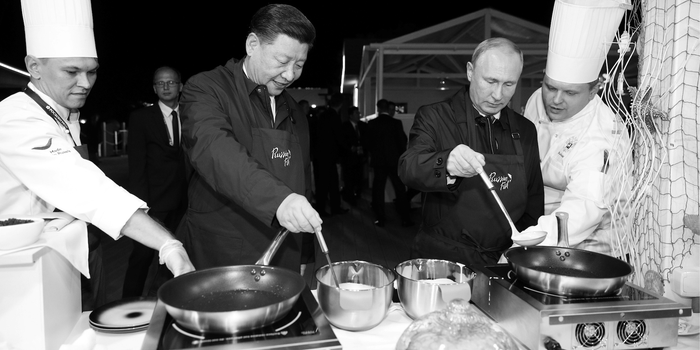
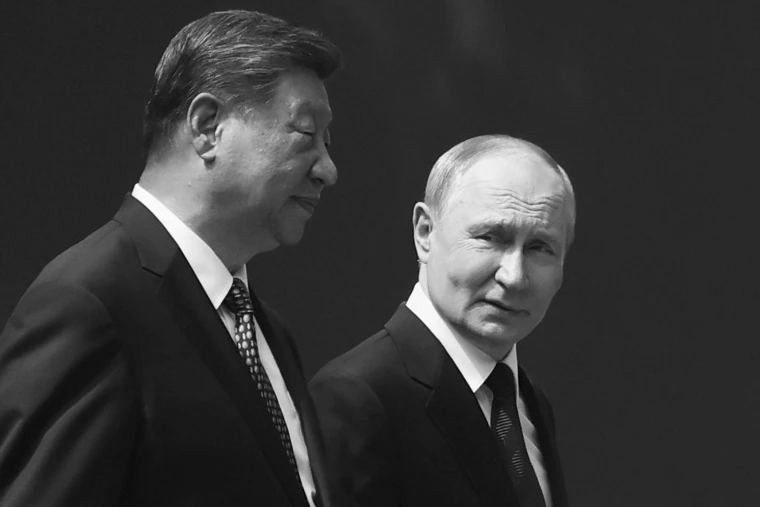
Xi once called Putin his "best and most intimate friend" and by every measure, he meant it. These two men have met more than 40 times since Xi took office in 2013. They have celebrated birthdays together , clinked glasses of vodka, shared pancakes , and watched sporting events side by side. In 2018, Putin stood over a stove at a state banquet and personally cooked Chinese street food for his host. This is not cold diplomatic formality. This is something far more personal, and in today's fractured world, far more consequential.
Behind the warmth lies a partnership of staggering strategic convenience . China and Russia famously describe their relationship as a "no limits friendship" and since Western sanctions came crashing down on Moscow following the Ukraine invasion, that friendship has been tested, stretched, and ultimately proven durable. China has become Russia's largest trading partner , absorbing enormous quantities of Russian crude oil , often at heavily discounted prices. In return, Beijing has supplied Moscow with money, technology, and industrial goods that have kept the Russian economy from collapsing entirely under Western pressure.
The headline item on this visit's agenda is the long-awaited Siberia 2 pipeline , a mammoth infrastructure project that would send massive volumes of Russian natural gas through Mongolia directly into China, potentially doubling Beijing's energy imports from Russia . But energy is only part of the story. Both nations are also expected to deepen direct Chinese investments into Russian territory , particularly around the Northern Sea Route , the Arctic shipping lanes running above Siberia that Beijing has long coveted for their enormous commercial and strategic value. China's growing hydrographical interests in the Arctic and North Pacific make Russia's frozen northern frontier far more valuable than it might appear on the surface. The two nations have even been conducting joint maritime exercises in these waters, quietly building military familiarity in one of the world's most geopolitically sensitive regions.
What makes this partnership so striking is just how many dimensions it now operates across . Beyond energy and military posturing, both sides are actively expanding cooperation in education, medicine, and culture . Notably, this visit will see the formal launch of the Russian-Chinese Year of Cooperation in Education , a symbolic but significant deepening of people-to-people ties that goes well beyond boardrooms and war rooms. Every meeting between the two leaders, as Moscow has noted, provides fresh momentum across all of these fronts simultaneously.
Western governments have repeatedly accused China of fuelling Russia's war machine through dual-use technology exports and economic lifelines. Beijing insists it wants peace. Few in Brussels or Washington are convinced. Meanwhile, with Iran a close partner of both nations locked in a dangerous standoff with Israel and the United States, the stakes of this Beijing summit stretch far beyond Ukraine.