
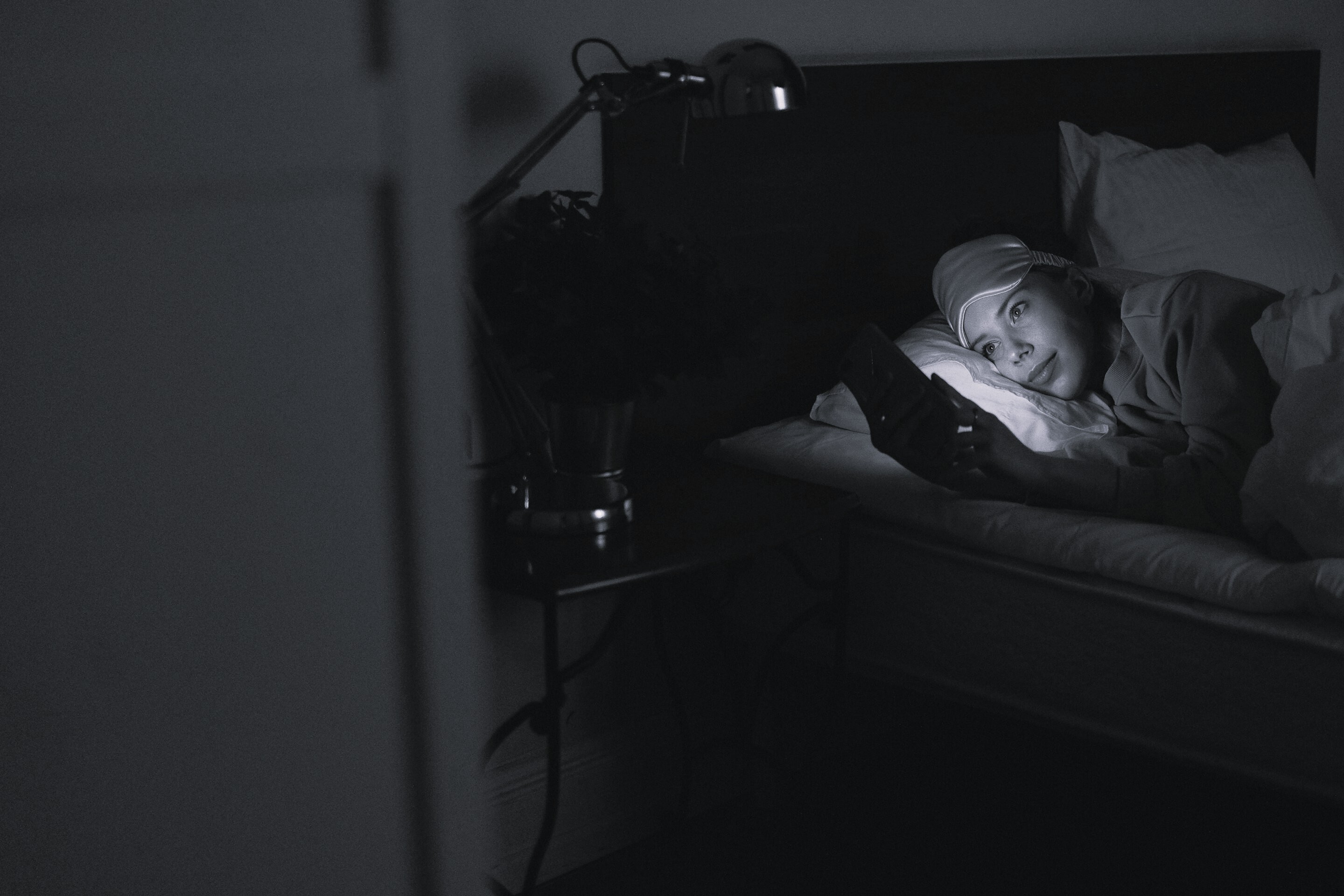
Bright light at night linked to 56% higher risk of heart failure, Study finds
Exposure to bright light at night including the common habit of scrolling through phones may increase the risk of heart failure by 56%, according to a new study. The research highlights that nighttime light exposure can be a significant risk factor for cardiovascular diseases in adults aged 40 and above.
Researchers from Flinders University, Australia, analysed over 13 million hours of light exposure data collected via wrist-worn sensors from nearly 89,000 participants in the UK, who were followed for more than nine years. The findings revealed that exposure to light at night was associated with a 47% higher risk of heart attack, a 32% increased risk of coronary artery disease, and a 28% higher risk of stroke.
“Night light exposure was a significant risk factor for developing cardiovascular diseases among adults older than 40 years,” the authors wrote in the study, published in the Journal of the American Medical Association (JAMA) Network Open. Lead author Daniel Windred, research associate at Flinders University, said, “This is the first large-scale study to show that simply being exposed to light at night is a strong and independent risk factor for heart disease. Disrupting your body’s internal circadian clock by repeatedly exposing yourself to bright light at night will put you at a higher risk of developing dangerous heart issues.”
The study also found that women and younger adults are particularly vulnerable to the effects of nighttime light exposure. Sean Cain, senior co-author and professor at Flinders University’s College of Medicine and Public Health, explained, “Women may be more sensitive to the effects of light disrupting their body clock, supporting earlier research findings. Women exposed to high levels of night light had similar heart failure risks to men, which is unusual because women typically have some natural protection against heart disease.”
The importance of this study lies in its large-scale evidence showing a direct connection between artificial light exposure at night and heart-related health risks. It highlights that environmental factors such as lighting can play a crucial role in cardiovascular health, a consideration often overlooked in prevention strategies.
To reduce these risks, the researchers recommend several precautionary steps. Individuals are advised to use blackout curtains to block external light, dim household lighting during evening hours, and avoid screens at least an hour before bedtime to minimize exposure to the blue light emitted by phones, tablets, and computers. Creating a dark sleep environment with sleep masks, especially when traveling or staying in unfamiliar places, and opting for warm-colored lighting such as amber or red in the evening can also help reduce the disruption to the circadian rhythm. Implementing these measures can improve sleep quality and potentially lower the risk of developing cardiovascular diseases.