
Brent Crude jumps over 30% amid escalating Middle East conflict
Global oil markets have recorded a sharp rise in prices following the escalation of tensions in the Middle East after the United States launched military strikes on Iran. The conflict has triggered uncertainty in energy markets, pushing crude benchmarks significantly higher amid fears of supply disruptions in one of the world’s most important oil-producing regions.
Before the latest hostilities, oil prices had been relatively stable for months. Brent crude, the international benchmark, generally traded between $65 and $70 per barrel in normal market conditions earlier this year , reflecting balanced global supply and demand. However, the outbreak of conflict quickly altered market sentiment as investors began pricing in the risk of reduced oil flows from the Gulf.
In the days following the US attacks and subsequent retaliatory actions in the region, oil prices climbed sharply. Brent crude rose to about $92 per barrel , while US West Texas Intermediate (WTI) crude approached $91 per barrel , marking one of the fastest weekly increases in recent times. The surge represents a jump of more than 25-35 per cent compared with pre-conflict levels .
Energy analysts attribute the surge in oil prices largely to concerns over potential disruptions near the Strait of Hormuz , a narrow maritime passage linking the Persian Gulf to the Arabian Sea and from there to major global shipping routes. Nearly 20 million barrels of crude oil pass through the strait daily , making it one of the most vital chokepoints in the global energy trade. Any threat to tanker movements in this corridor can immediately tighten supply and push prices higher, affecting markets worldwide.
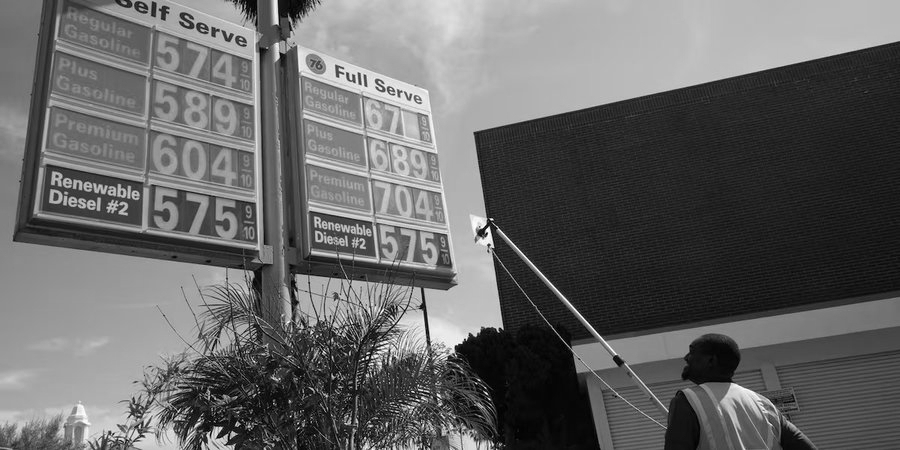
Rising crude prices have already begun influencing the cost of refined fuels such as petrol, diesel and jet fuel in several countries. Economists warn that if tensions continue or the conflict spreads further across the region, oil markets could remain volatile, with prices potentially climbing even higher. For India , however, some short-term cushioning may come from a temporary 30-day relief reportedly provided by the United States , allowing New Delhi additional flexibility to continue procuring discounted crude from Russia despite tightening geopolitical pressures. Analysts also note that India could rely on its Strategic Petroleum Reserves (SPR) to stabilise domestic fuel supply if global markets face prolonged disruption, offering the country a limited buffer against sudden spikes in international oil prices.
For now, traders and governments alike are closely monitoring developments in the Gulf, as the evolving geopolitical situation continues to shape global oil and gas price trends.