
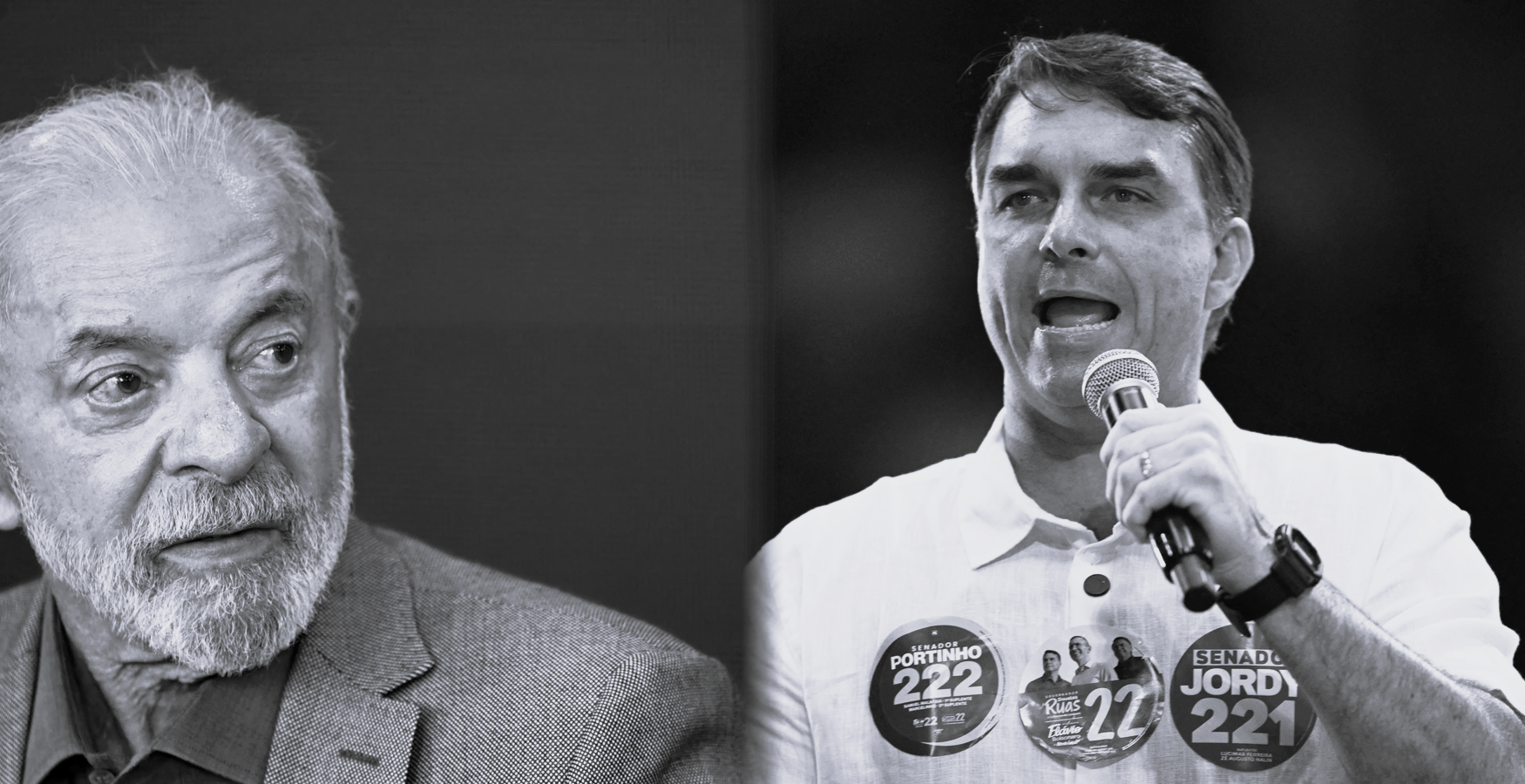
Brazil Court Orders Meta to Ensure Fair Treatment of Lula, Bolsonaro
Brazil’s top electoral court has ordered Meta to ensure equal treatment of presidential candidates Luiz Inácio Lula da Silva and Flávio Bolsonaro across its platforms, intensifying scrutiny of social-media algorithms and artificial intelligence ahead of the October 25 runoff. The ruling follows allegations by Lula’s campaign that Meta restricted his political content while allowing material supporting Bolsonaro to receive greater exposure, raising questions about electoral fairness, platform transparency and automated political communication.
Justice Marco Aurélio Bellizze directed Meta, which owns Facebook, Instagram and WhatsApp, not to restrict political content distribution, searches or posts in ways that create an electoral imbalance. Its AI tools must apply identical criteria to both candidates. Non-compliance could attract a daily fine of 500,000 Brazilian reais (approximately $98,000).
Lula’s campaign alleged that its organic posts suffered unjustified reductions in reach and that Meta failed to implement an earlier corrective plan submitted to the court. It also requested that the company double the reach of affected content to compensate for the alleged losses.
The complaint cited difficulties generating campaign images supporting Lula through WhatsApp’s Meta AI, while comparable requests featuring Bolsonaro reportedly succeeded. Brazilian newspaper Folha de S.Paulo also reported differences in AI responses involving candidates’ names and ballot numbers.
Reuters reported on October 16 that internal Meta communications cited by Folha de S.Paulo acknowledged restrictions affecting Lula’s Instagram account and recommendations of Bolsonaro’s profile and WhatsApp channel. One reported incident allegedly prevented Lula’s account from promoting feed posts for nearly 24 hours, potentially affecting 1.3 million views.
Lula’s campaign also alleged that at least 255 fake profiles operated against him. These claims have not independently established systematic political manipulation.
Meta rejected accusations of deliberate favouritism, citing technical glitches affecting accounts beyond Brazil. The company said it had strengthened AI filters and election safeguards.
Brazil’s electoral court introduced 2026 election rules restricting certain AI-generated synthetic content during the 72 hours before voting and 24 hours afterwards. Platforms must also address electoral misinformation and comply with judicial orders.
Separately, Brazil’s Federal Public Prosecutor’s Office opened an inquiry into moderation practices at Meta and X following complaints about account suspensions and reduced reach. Monitoring organisations reportedly documented more than 1,000 alleged cases of restrictions.
With Bolsonaro securing 47% against Lula’s 45% in the October 4 first round, the court’s intervention highlights the importance of transparent platform oversight. However, evidence has yet to establish that the alleged restrictions changed electoral outcomes or resulted from deliberate bias.