
Borra Caves: Where Time, Stone, and Silence Tell Earth’s Oldest Story
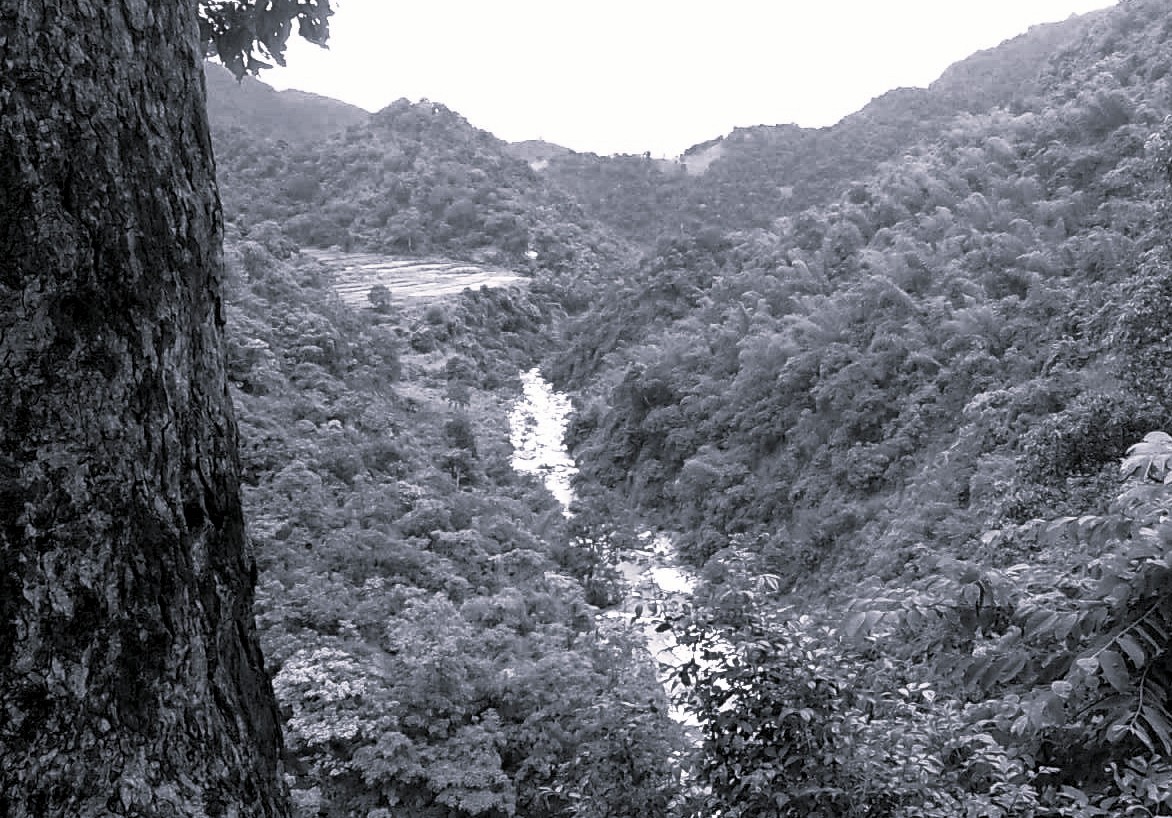
Long before human civilizations took shape, the Earth was quietly sculpting wonders beneath its surface. Deep within the lush folds of the Eastern Ghats , the Borra Caves emerge as one such marvel an underground world where time, nature, and mystery converge. Nestled in the Ananthagiri Hills of Andhra Pradesh at an elevation of about 705 meters , these caves are among the largest and deepest cave systems in India . The moment one approaches the entrance, it feels less like a tourist site and more like a gateway into the planet’s ancient memory.
Stepping inside, the atmosphere changes instantly. A cool, damp breeze replaces the warmth outside, while faint beams of light filter through openings above, revealing towering stone formations. The silence is profound, broken only by the distant echo of dripping water and the gentle murmur of the Gosthani River , which flows through the cave’s depths. This is not merely a visit it is an immersion into a world untouched by time.
Nature’s Slow and Patient Sculpture
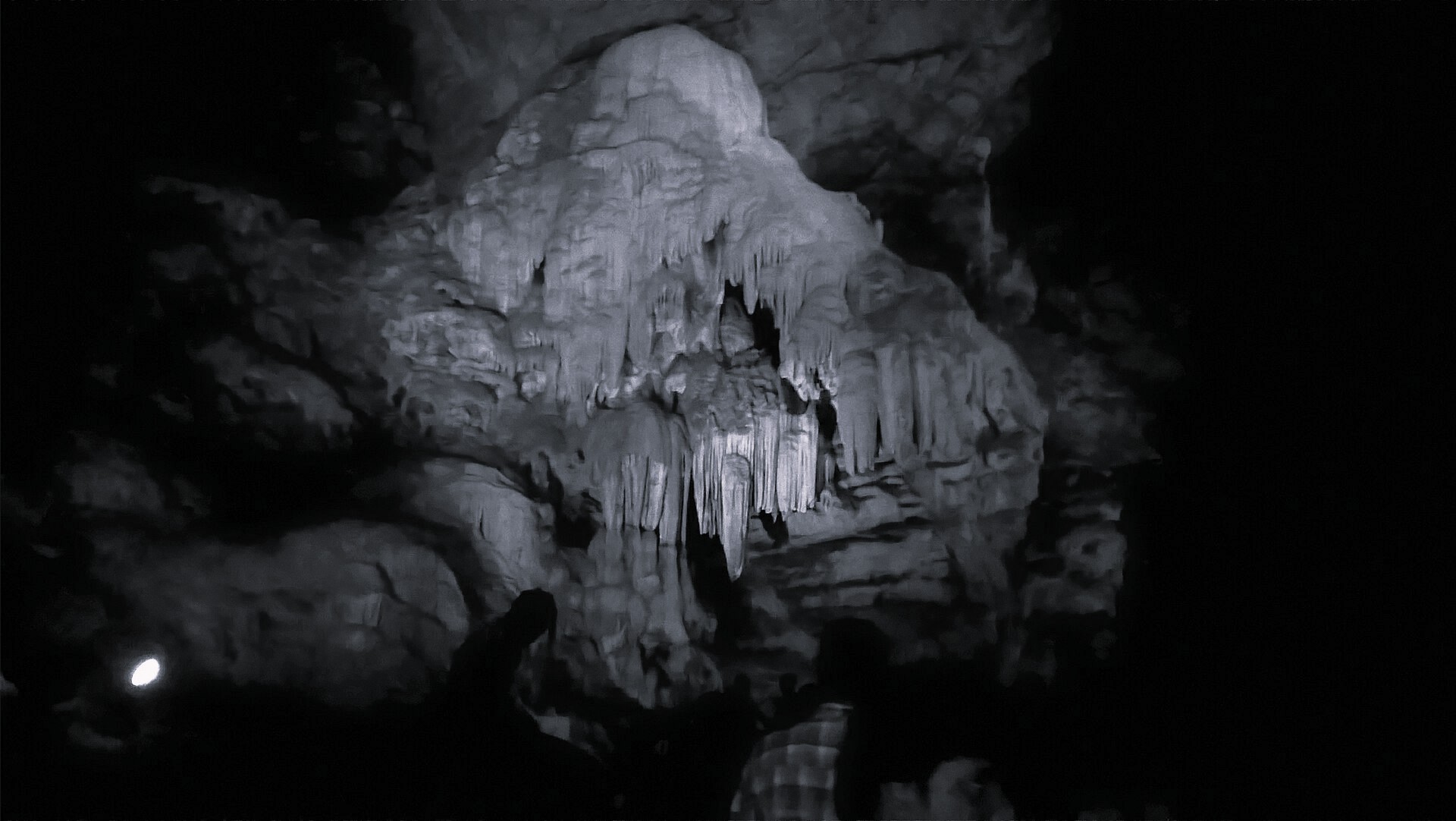
What makes Borra Caves extraordinary is the way they were formed. Over millions of years, rainwater mixed with carbon dioxide seeped through layers of limestone , gradually dissolving the rock and carving vast chambers underground. As mineral-rich water dripped from the ceilings, it left behind deposits that slowly grew into stalactites (hanging formations) and stalagmites (rising formations).
These structures are not random they often resemble familiar shapes. Visitors frequently spot formations that look like Shiva-Parvati , animals, human figures, or abstract sculptures. It is as if nature itself has acted as a silent artist, carving intricate designs with unimaginable patience. Even today, these formations continue to grow, though at an almost imperceptible pace.
Echoes of Prehistoric Life
Borra Caves are not just geological wonders; they are also deeply connected to human history. Archaeological excavations have uncovered Middle Stone Age tools , dating back nearly 30,000 to 50,000 years . These findings suggest that early humans once used the caves as shelter, benefiting from their stable internal climate and protection from the elements.
Imagining life inside these caves thousands of years ago adds another layer of depth to the experience. The same chambers that now attract tourists once echoed with the footsteps of prehistoric communities, making Borra a rare site where natural history and human evolution intersect.
Legends that Breathe Through Stone
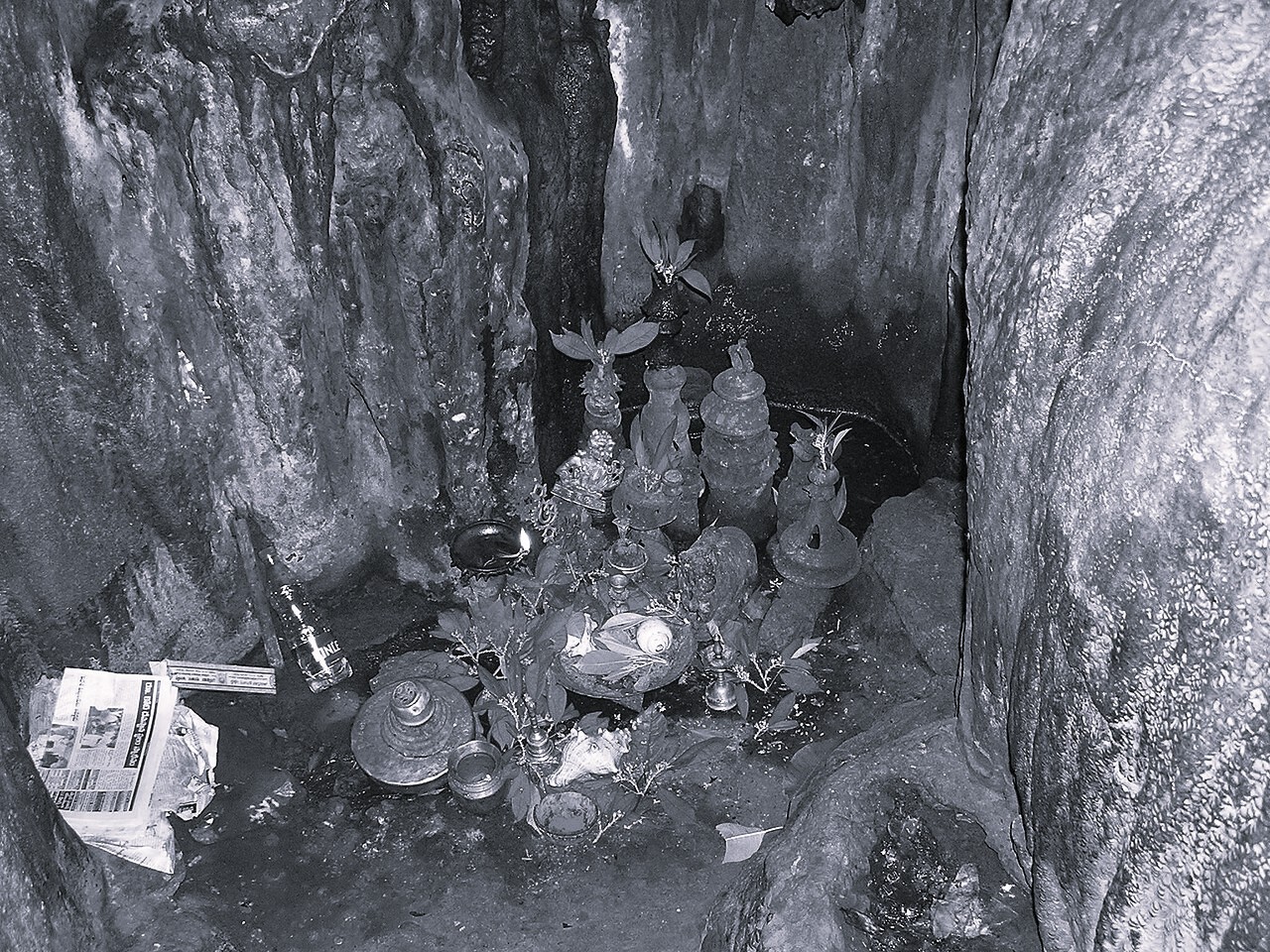
While science explains the formation of the caves, local folklore gives them a spiritual dimension. One popular legend tells of a cow that accidentally fell through a hole into the cave. When a shepherd followed in search of it, he discovered a naturally formed Shiva Lingam . Believing it to be divine, locals built a shrine, which continues to attract devotees even today.
Another fascinating story is linked to the origin of the Gosthani River. It is believed that the river emerges from a rock formation resembling the udder of Kamadhenu , the mythical cow. The very name “Gosthani” is derived from “Go” (cow) and “Sthani” (udder), blending mythology seamlessly with geography.
A Living Underground Ecosystem
Despite its darkness, Borra Caves are far from lifeless. Scientific studies have revealed that microorganisms such as bacteria, algae, and fungi play an active role in shaping the cave’s interior. These organisms form colorful biofilms often seen as orange or yellow patches indicating ongoing biochemical processes.
The caves are also home to unique fauna. Colonies of fruit bats inhabit the ceilings, while reptiles like geckos navigate the rocky surfaces. Rare subterranean species, including Habrobathynella borraensis , have been discovered here, highlighting the ecological significance of this hidden world. In many ways, Borra functions as a natural laboratory where geology and biology interact continuously.
From Natural Wonder to Cinematic Canvas
Over the years, Borra Caves have gained recognition beyond tourism. Their dramatic interiors, natural acoustics, and interplay of light and shadow have made them a favorite destination for filmmakers. Several iconic scenes from Telugu cinema have been shot here, transforming these ancient formations into a modern storytelling backdrop.
For photographers and travelers alike, the caves offer endless visual possibilities. Every angle reveals a new texture, a new pattern, or a new play of light making each visit a unique experience.
Tourism, Access, and Modern Enhancements
Recognizing their importance, authorities have taken steps to develop Borra Caves as a major tourist destination while preserving their natural beauty. Modern LED lighting systems illuminate the interiors, highlighting the intricate formations without causing damage. Walkways and railings ensure safe movement, while guided tours help visitors understand both the scientific and cultural aspects of the caves.
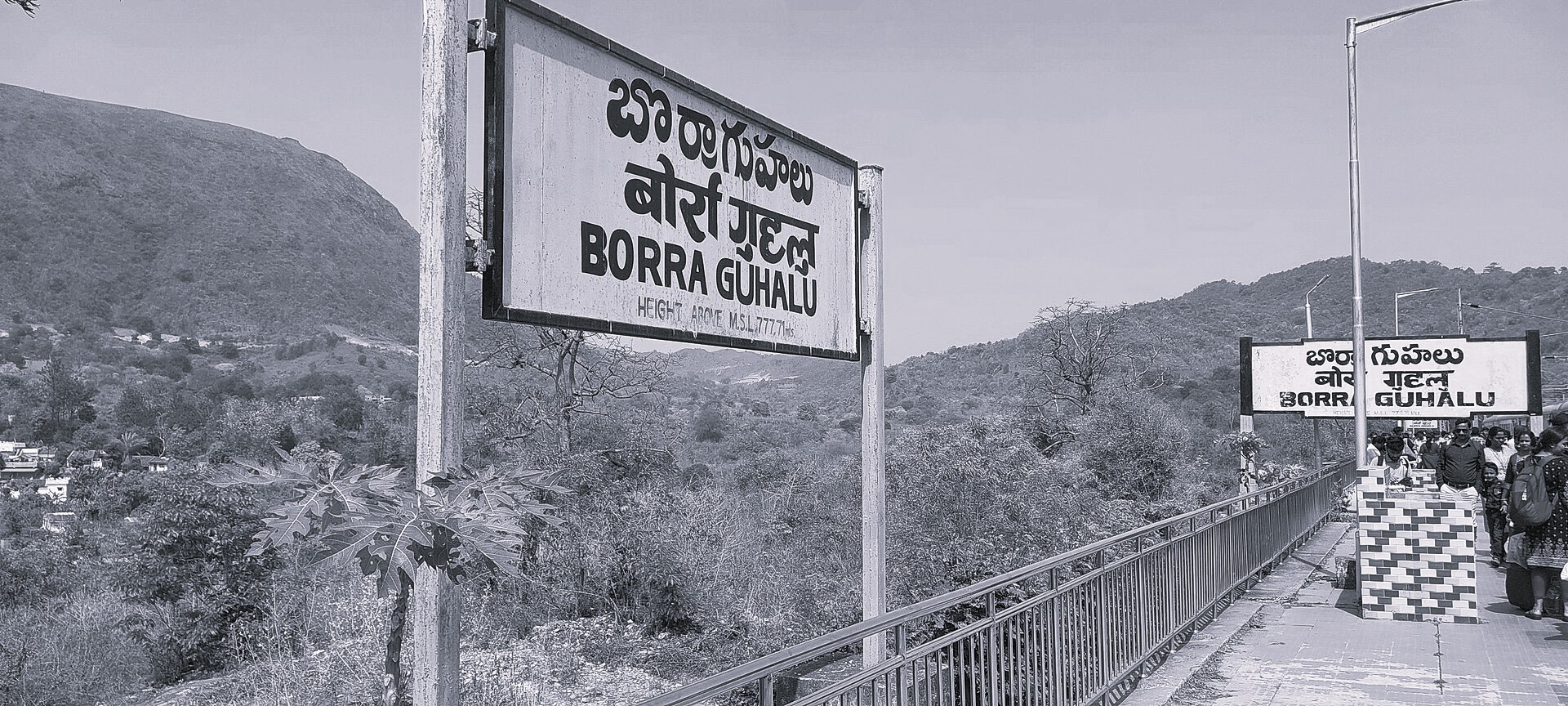
Reaching Borra is an experience in itself. Located about 90 kilometers from Visakhapatnam , the journey especially via the Visakhapatnam–Kirandul railway line offers breathtaking views of valleys, hills, and tunnels. Nearby Araku Valley , known for its coffee plantations and tribal culture, enhances the overall travel experience.
Accommodation options range from government-run resorts to private stays and tribal homestays, allowing visitors to immerse themselves in both nature and local traditions.
Best Time to Visit and Lasting Impressions
The ideal time to explore Borra Caves is between November and January , when the weather is cool and the surrounding hills are often wrapped in mist. During this period, the caves appear even more enchanting, drawing large numbers of visitors.
Yet, beyond the statistics and travel details, what truly defines Borra is the feeling it leaves behind. It is not just a place to see, but a place to experience to pause, reflect, and reconnect with the natural world.
Borra Caves are more than a tourist attraction. They are a living archive of Earth’s history , a meeting point of science, mythology, and human heritage . As visitors step back into daylight, they carry with them not just memories, but a deeper appreciation of the silent forces that continue to shape our planet.
In Borra, the Earth does not merely exist it quietly tells its story.