
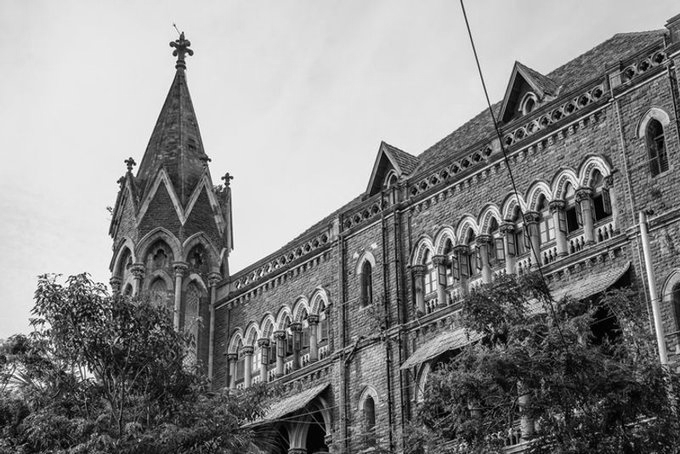
Bombay HC Discharges Four Accused in 2006 Malegaon Blast Case, Quashes Terror Charges
The Bombay High Court on Wednesday discharged four main accused in the 2006 Malegaon serial bomb blasts case , setting aside the special NIA court order framing charges and quashing all offences, including those under the Unlawful Activities (Prevention) Act (UAPA) , effectively ending trial proceedings against them.
A division bench comprising Chief Justice Shree Chandrashekhar and Justice Shyam Chandak allowed appeals filed by Rajendra Chaudhary, Dhan Singh, Manohar Ram Singh Narwaria, and Lokesh Sharma. The court held that the framing of charges could not stand and granted them full relief after years of litigation.
The blasts occurred on September 8, 2006, in Malegaon, Maharashtra, when multiple explosions near a mosque and cemetery killed 31 people and injured over 300 , shortly after Friday prayers.
The investigation saw multiple reversals. The Maharashtra Anti-Terrorism Squad (ATS) initially arrested nine Muslim men, alleging conspiracy. The Central Bureau of Investigation (CBI) later supported the case, but those accused were eventually discharged after long incarceration.
In 2011, the National Investigation Agency (NIA) took over the probe and reversed the narrative, alleging involvement of right-wing extremists. It relied partly on statements linked to Swami Aseemanand, later retracted, and named the present four accused.
The NIA claimed the accused had conducted reconnaissance in Malegaon and transported explosives from Indore using bicycles and bags. They were arrested between 2012 and 2013 and charged with murder, conspiracy, and terror offences under UAPA .
In September 2025, a special NIA court framed charges against them, but the High Court later stayed proceedings after finding a prima facie case for interference and noting weak supporting material. The accused maintained that no evidence had been produced against them.
With Wednesday’s ruling, all charges against the four stand quashed, and no trial remains pending against them in the case. The detailed judgment is awaited, leaving unresolved questions over accountability in one of Maharashtra’s most controversial terror investigations.