
Bolivia Approves $1.9 Billion IMF Deal, Ends Diesel Subsidy
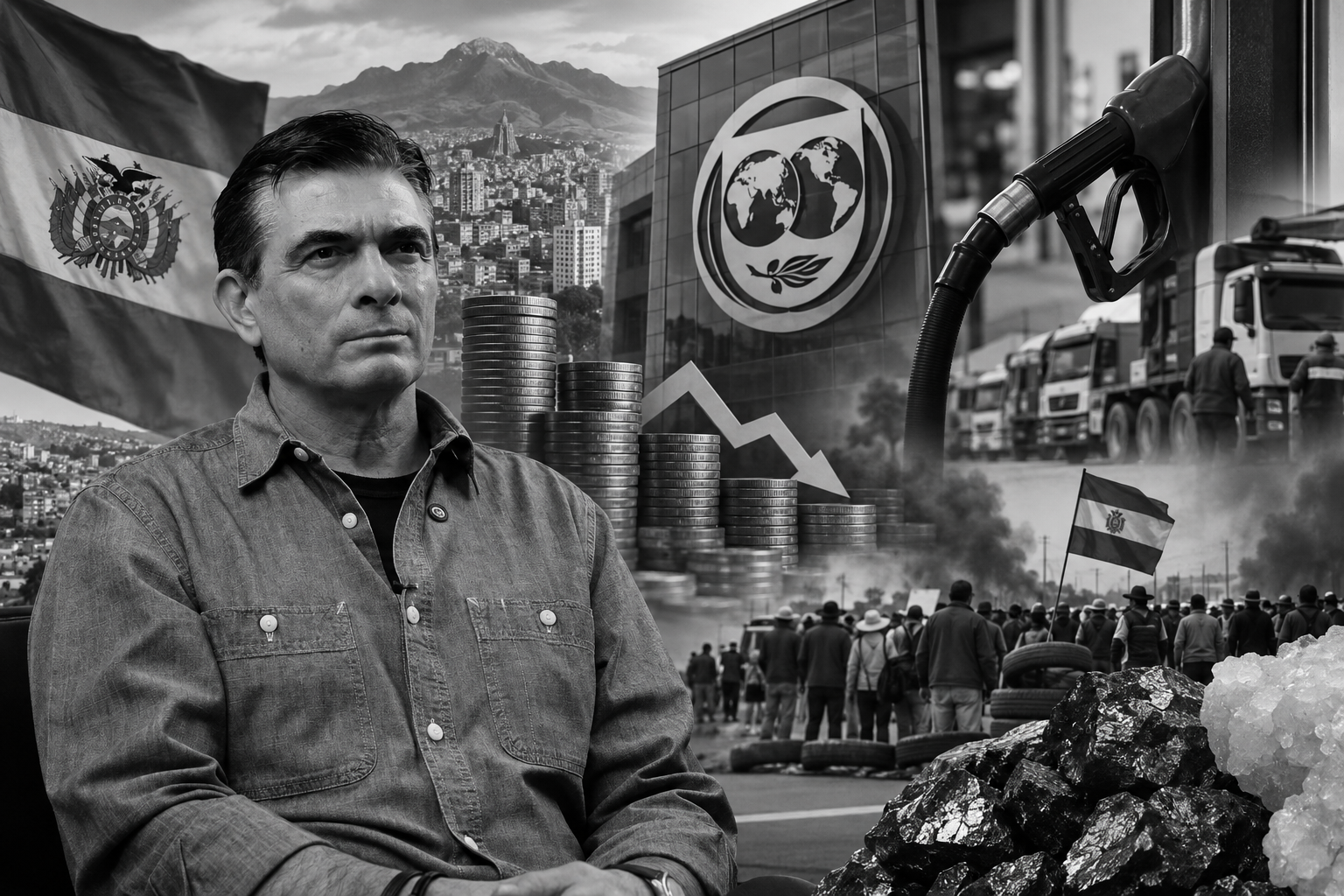
Bolivian lawmakers approved a $1.9 billion loan agreement with the International Monetary Fund (IMF) on Friday, giving President Rodrigo Paz a crucial legislative victory as his government attempts to stabilise an economy facing foreign-currency shortages, depleted reserves, high inflation, fuel shortages and a widening fiscal deficit. Hours after Congress approved the agreement, Paz announced the immediate removal of the diesel subsidy, linking the reform to a broader programme of fiscal and structural adjustment.
The Senate ratified the IMF agreement a day after the lower house approved it, completing the legislative process. The 36-month Extended Fund Facility (EFF) still requires IMF Executive Board approval. The programme is expected to provide $1.9 billion directly and help unlock more than $5 billion from the World Bank, Inter-American Development Bank and other lenders.
Bolivia's crisis has deep roots. Natural-gas export revenues have fallen around 70% since 2014, while fuel imports rose from about 4% to 9% of GDP as domestic oil production declined. Fuel shortages and foreign-exchange pressures intensified from 2023.
Fuel subsidies became a major fiscal burden. IMF estimates put total energy subsidies at 14.4% of GDP in 2023, while diesel alone represented about 6.6% of GDP, including explicit and implicit costs. Paz said the government was spending about $55 million a week on fuel subsidies. Diesel prices will now reflect international import costs, while gasoline remains subsidised.
The reform could raise transportation, agricultural and distribution costs, creating short-term inflationary pressure. IMF analysis estimated direct household costs could rise 0.6%, with indirect effects adding another 0.9%. The government has announced around $79 million in assistance for 2.9 million people, alongside preferential loans for truckers and productive sectors.
The move also has an India angle. Bolivia exported about $811.7 million worth of gold to India in 2025, making the country a significant source for Indian bullion buyers. India also exports pharmaceuticals, vehicles, machinery and chemicals to Bolivia. Both countries are expanding cooperation in critical minerals and lithium, creating potential opportunities for Indian companies if economic stability improves.
However, Bolivia's diesel reform is unlikely to directly affect Indian fuel prices because its global oil-market influence is limited. India's larger exposure remains international crude prices.
Meanwhile, unions oppose the IMF programme, warning that higher fuel prices and spending cuts could increase living costs. Earlier road blockades disrupted supplies, while Congress extended a 90-day state of emergency.
The IMF deal and diesel reform mark a shift from Bolivia's gas-and-subsidy model. Their success will depend on restoring reserves and fuel supplies while containing inflation and social unrest. For India, the longer-term significance lies in gold, lithium, critical minerals and expanding trade and investment ties.