
BJP Steals Chandrapur Mayor Post with Sena (UBT) Support
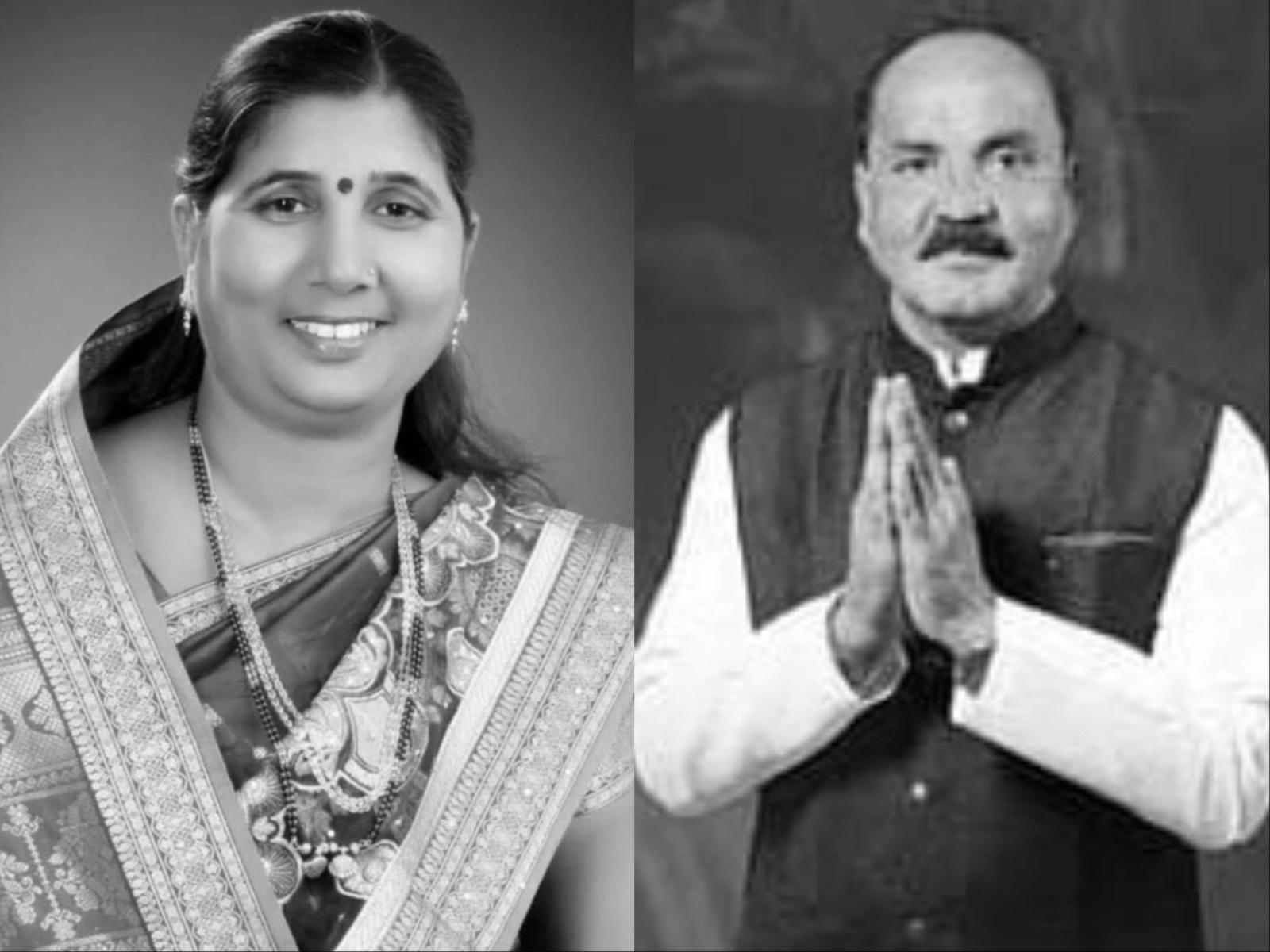
The mayoral election in Chandrapur has produced a politically dramatic outcome, with Bharatiya Janata Party nominee Sangeeta Khandekar winning the post by a single vote , defeating Indian National Congress candidate Vaishali Mahadule . In a parallel development, Shiv Sena (UBT) corporator Prashant Danav was elected deputy mayor , indicating a local-level understanding between Sena (UBT) and the BJP. The result has drawn widespread attention as Sena (UBT) and Congress are key allies in the state-level Maha Vikas Aghadi (MVA) and partners in the broader opposition bloc. Publicly, Sena (UBT) leaders had maintained a firm anti-BJP stance , making this local support a notable contradiction.
The numbers make the outcome particularly striking. Congress had emerged as the single largest party in the 66-member civic body, while Sena (UBT)’s six corporators held the balance. On paper, the alliance arithmetic favoured the Congress. However, differences over power-sharing and the mayor’s tenure reportedly led to local-level negotiations that ultimately worked to the BJP’s advantage.
The episode has triggered political sparring, with Congress leaders alleging horse-trading and blaming Sena (UBT) as well as other smaller parties for the setback. Yet, beyond the accusations, the development has spotlighted Congress’s continuing organisational weaknesses at the grassroots, including factional divisions and challenges in ensuring disciplined voting. Rivalries among local leaders are believed to have complicated coordination at a crucial moment.
In contrast, the BJP once again demonstrated its strength in floor management , swiftly consolidating support and capitalising on opposition disunity. The result underscores how municipal politics increasingly revolves around coordination, negotiation, and tactical agility , rather than simple numerical advantage.
For Sena (UBT), the development reflects a widening gap between state-level leadership messaging and district-level political calculations. While top leaders project ideological opposition to the BJP, local representatives appear influenced by governance considerations and access to development resources.
The Chandrapur outcome thus serves as a broader lesson in contemporary politics: organisational discipline and real-time strategy can outweigh electoral arithmetic, reshaping power equations even where alliances seem secure.