
Bihar students score big, Rs 2,920 crore bagged
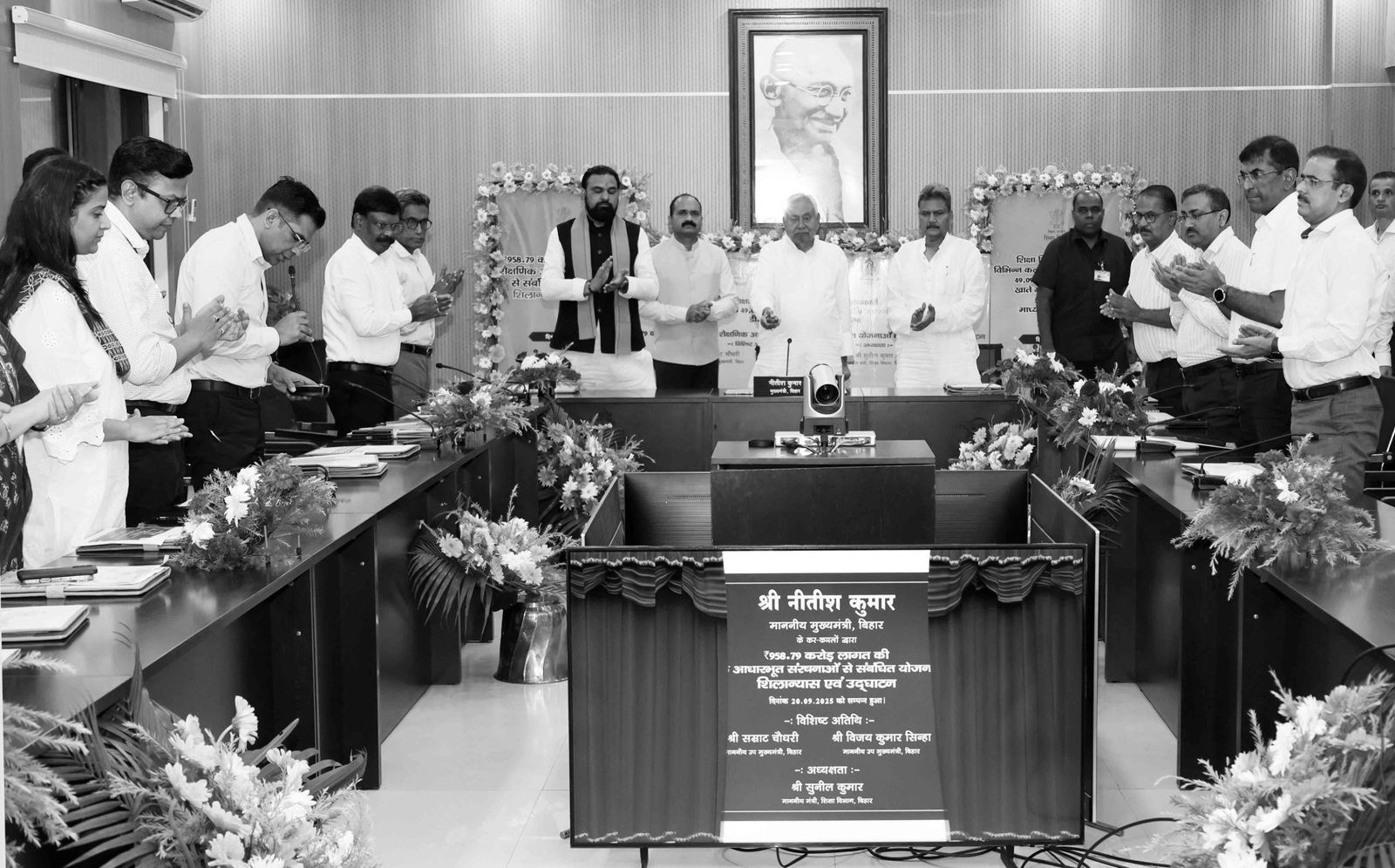
Ahead of the assembly elections later this year, Bihar Chief Minister Nitish Kumar is pulling out all stops to make a strong impression on the state’s youth. On Saturday, his government transferred a staggering Rs 2,920 crore directly into the bank accounts of over 49 lakh students under various welfare schemes, marking one of the largest benefit distributions in recent memory.
The direct benefit transfer (DBT) covered a range of programs, including the Mukhyamantri Balika (Intermediate Pass) Protsahan Yojana, Mukhyamantri Cycle Yojana, Mukhyamantri Balika and Balak Poshak Yojanas, scholarship schemes, and the Kanya Utthan Yojana. This move ensures that financial support reaches students promptly, without bureaucratic delays.
In tandem with the cash transfers, Nitish Kumar inaugurated 331 infrastructure-related projects across the state, valued at nearly Rs 959 crore. Of these, 259 were completed initiatives, while 72 new projects were laid as foundations. These projects aim to enhance school facilities, including classrooms, science laboratories, libraries, computer rooms, hostels, toilets, and clean drinking water.
The scale of investment highlights a dramatic transformation in Bihar’s education sector. From an education budget of just Rs 4,366 crore in 2005, the state now spends nearly Rs 77,690 crore, reflecting years of infrastructure development, teacher recruitment, and system-wide improvements. Analysts note that these initiatives serve a dual purpose: addressing long-term educational needs while also energizing the voter base ahead of crucial elections.
Key Takeaways:
• Rs 2,920 crore transferred directly to over 49 lakh students across Bihar.
• 331 educational infrastructure projects launched, including schools, labs, libraries, and hostels.
• Schemes cover scholarships, cycle distribution, and girl child empowerment programs.
• Strategic focus on youth and education reflects Nitish Kumar’s election-season push.
Political observers suggest that this massive push is also part of Nitish Kumar’s calculated strategy to consolidate support among students and young voters. With assembly polls approaching, initiatives like these allow the government to showcase both performance and promise, positioning Nitish as a leader actively working on people’s priorities.
In essence, Bihar’s education sector is witnessing historic funding and development, but the timing and scale of the transfers and projects also underline the political stakes. As voters receive the benefits and see tangible improvements in schools, Nitish Kumar is betting on translating these efforts into electoral goodwill.