
Bihar schoolgirls allege caste discrimination by teachers in MP-adopted village
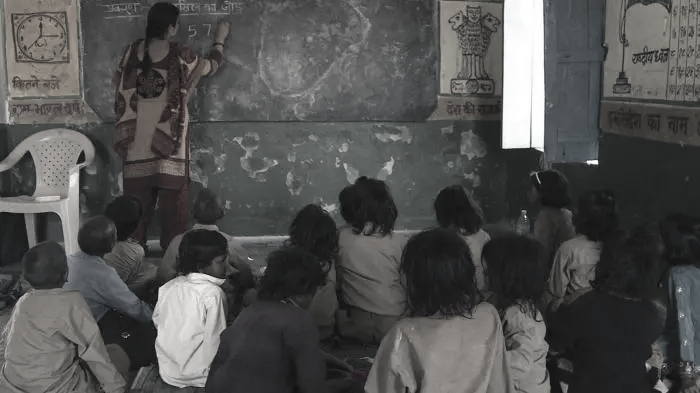
Serious allegations of caste-based discrimination have surfaced from a government school in Alawalpur village of Patna district, Bihar, where schoolgirls have accused teachers of humiliating and segregating students from lower castes during classes and mid-day meals.
According to the students, teachers named by them as Sarita Ma’am and Ranjan Sir allegedly force children from lower castes to sit separately in classrooms and during meals. The girls further claimed that these students are served poor-quality food, including watery dal, at times allegedly containing insects, while other students receive better meals under the mid-day meal scheme.
The allegations have drawn particular attention as Alawalpur village was adopted in 2014 by senior BJP leader and former Union minister Ravi Shankar Prasad under the Sansad Adarsh Gram Yojana (SAGY). The scheme aims to develop model villages with a focus on quality education, social equality, sanitation, and communal harmony. The reported discrimination stands in stark contrast to the goals of the programme.
Beyond caste-based segregation, students and local residents have flagged several other problems at the school, including frequent teacher absenteeism, filthy and unusable toilets, and suspected misuse of school funds. These issues, they say, have severely affected the learning environment and basic dignity of students, particularly girls.
The school principal, however, has denied the allegations, terming them “political drama.” As of December 24, no official inquiry or departmental probe has been initiated by the district administration or the education department.
Meanwhile, child rights and Dalit rights groups have expressed concern over the claims and praised the students for their courage in speaking out. They have demanded an independent investigation, strict action against those found guilty, and protection for the students to ensure they are not subjected to intimidation or retaliation.
The incident has reignited debate over the implementation and monitoring of welfare schemes, particularly in villages adopted by MPs, and raised broader questions about caste discrimination in government schools, which remains a punishable offence under Indian law.