
Bihar rural works minister claims 16 lakh arrests, 4.5 crore litres seized under prohibition
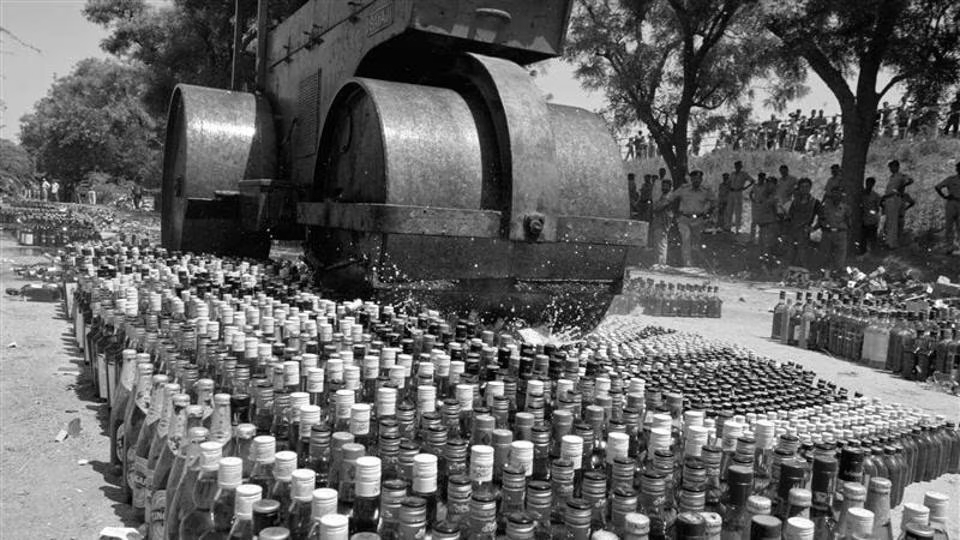
Bihar’s prohibition policy has come under fresh criticism as officials tout impressive seizure and arrest figures, yet serious concerns persist about the ban’s ground effectiveness and unintended consequences . Rural Works Minister Ashok Choudhary on Wednesday told the Bihar Legislative Council that over 4.5 crore litres of liquor have been confiscated and 16 lakh people arrested since the state introduced prohibition in 2016. He made the comments during the ongoing budget session while responding to JD(U) MLC Ravindra Prasad Singh’s warning about the increasing misuse of thinners, adhesives and other substances by children .
Choudhary reiterated that the government remains committed to total prohibition and cited enforcement statistics from 2016 to 31 December 2025, including 10 lakh registered cases, 1.6 lakh vehicles seized and the confiscation of large quantities of ganja, opium, charas and cough syrup . He also highlighted checkpoint installations and surveillance along the Uttar Pradesh, West Bengal, Jharkhand and Nepal borders to curb smuggling.
However, critics argue that the ban’s enforcement record masks deeper problems on the ground . Opposition members pointed to persistent addiction among youth, especially in border districts where liquor still enters freely from neighbouring states. RJD MLC Syed Faisal Ali and CPI(ML) Liberation MLC Shashi Yadav stressed the urgent need for adequate rehabilitation centres, medical staff and regular inspections , arguing that mere seizures and arrests do not address the root causes of substance abuse.
Public skepticism about the effectiveness of prohibition has a long history in Bihar, including widely reported incidents where police officers blamed rats for “drinking” seized liquor from police station storerooms , a claim met with ridicule and seen by many observers as indicative of systemic enforcement and accountability issues. In 2017 and 2018, officials in Kaimur and other districts said rodents had gnawed into bottles and cans of confiscated alcohol, prompting speculation that seized stock had disappeared due to rodent activity rather than theft or corruption — a narrative that experts quickly questioned.
The “liquor‑loving rats” episode has endured in public discourse as symbolic criticism of the ban’s implementation , with many arguing that missing seized stock and continuing illegal sales reflect deeper enforcement gaps rather than innocent animal behaviour.
Social critics also argue that prohibition has inadvertently boosted illegal markets, smuggling and corruption while failing to stem actual consumption, leaving vulnerable communities exposed to unregulated substances and harmful “dry addiction.” The minister acknowledged rising misuse among children and said the government is boosting awareness through art troupes, banners, social media campaigns and planned lecture series in institutions. Yet legislators and public health advocates insist that comprehensive rehabilitation, coordinated border controls and demand‑side interventions are essential to make the policy truly effective.
The debate highlights that while Bihar’s prohibition campaign is backed by significant enforcement activity, its real‑world impact remains contested , with rising substance abuse among youth, cross‑border smuggling and controversial incidents serving as stark reminders of the policy’s limitations.