
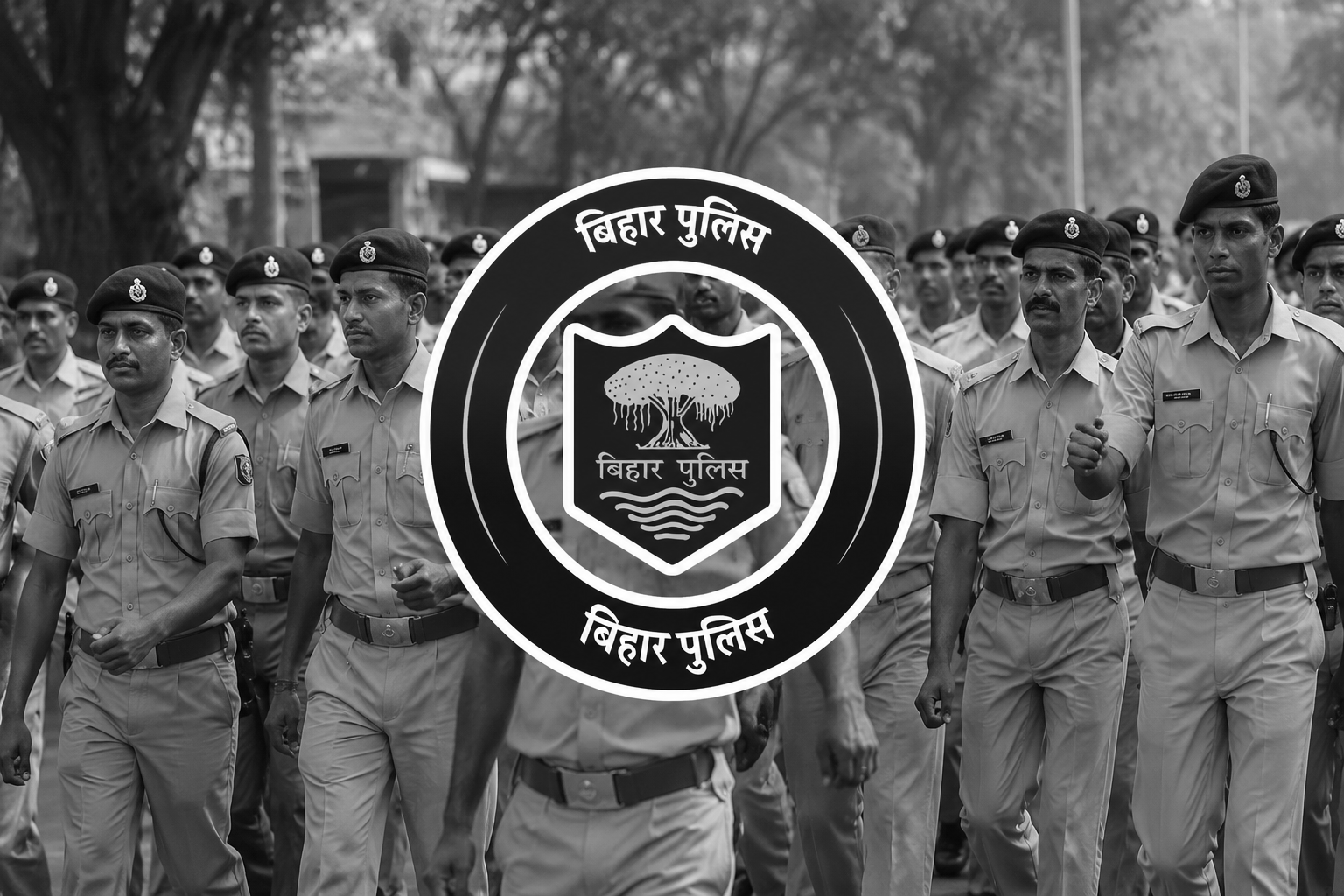
Bihar Restores Four-Zone Police System, Aims for Better Crime Control
The Bihar government has rolled back its 2019 police restructuring by restoring the four-zone policing system, a move aimed at reinforcing law and order, streamlining administrative oversight and improving coordination in crime control and disaster management. The new arrangement, which came into effect on July 29, is expected to strengthen regional supervision, enable faster decision-making and enhance policing efficiency across the state.
According to a notification issued by the Home Department, Bihar has once again been divided into four police zones - Patna, Muzaffarpur, Darbhanga and Bhagalpur. Each zone will be headed by an Inspector General (IG), while the existing 12 police ranges will continue to function under Deputy Inspector Generals (DIGs). District policing will remain under Superintendents of Police (SPs), creating a multi-tier command structure designed to improve administrative oversight.
The government said the restructuring seeks to make the existing range-based policing system more effective by enabling zonal heads to maintain closer supervision over districts, formulate region-specific policing strategies, and improve coordination in crime investigations, law-and-order situations, disaster management and other administrative responsibilities. Officials believe the additional supervisory layer will reduce the burden on the Police Headquarters, ensure quicker decision-making and strengthen monitoring of district police performance.
Under the revised structure, Patna Zone will comprise Patna Central, Magadh and Shahabad Ranges; Muzaffarpur Zone will oversee Muzaffarpur-Tirhut, Champaran and Saran Ranges; Darbhanga Zone will include Darbhanga-Mithila, Kosi and Saharsa-Purnea Ranges; while Bhagalpur Zone will consist of Bhagalpur Eastern, Munger and Munger-Begusarai Ranges.
The move marks a significant policy reversal. In August 2019, the Bihar government had abolished the zonal policing system and reorganised the state's police administration into 12 standalone ranges, excluding the Railway Police, with the objective of decentralising administration and streamlining command. However, after several years, officials acknowledged that the arrangement failed to deliver significant improvements in crime control or administrative oversight. Following an internal review, the Bihar Police Headquarters recommended reinstating the earlier zonal framework to strengthen regional leadership and operational coordination.
The restored structure introduces an additional supervisory tier between the state headquarters and district police units. Senior IGs will oversee multiple ranges, allowing closer monitoring of inter-district crime, organised criminal networks, communal disturbances and large-scale law-and-order situations. The arrangement is also expected to facilitate quicker deployment of police personnel and resources during emergencies and natural disasters, particularly floods that frequently affect northern Bihar.
The decision is particularly significant for Bihar, India's second-most populous state, with more than 13 crore residents spread across 38 districts. The state shares borders with Uttar Pradesh, Jharkhand and West Bengal, besides an international boundary with Nepal, making coordinated regional policing crucial to tackle inter-state crime, illegal liquor smuggling, sand mining and other organised criminal activities.
The restoration of the zonal framework also complements Bihar's broader police modernisation initiatives, including efforts to improve Dial 112 emergency response, strengthen surveillance, expand women-centric policing measures and enhance police welfare. Officials expect the revived command structure to provide stronger regional leadership, improve accountability and build a more efficient policing system capable of responding to the state's evolving security and governance challenges.