
Bihar Assembly Elections: Jan Suraaj alleges diversion of world bank funds for voter benefits
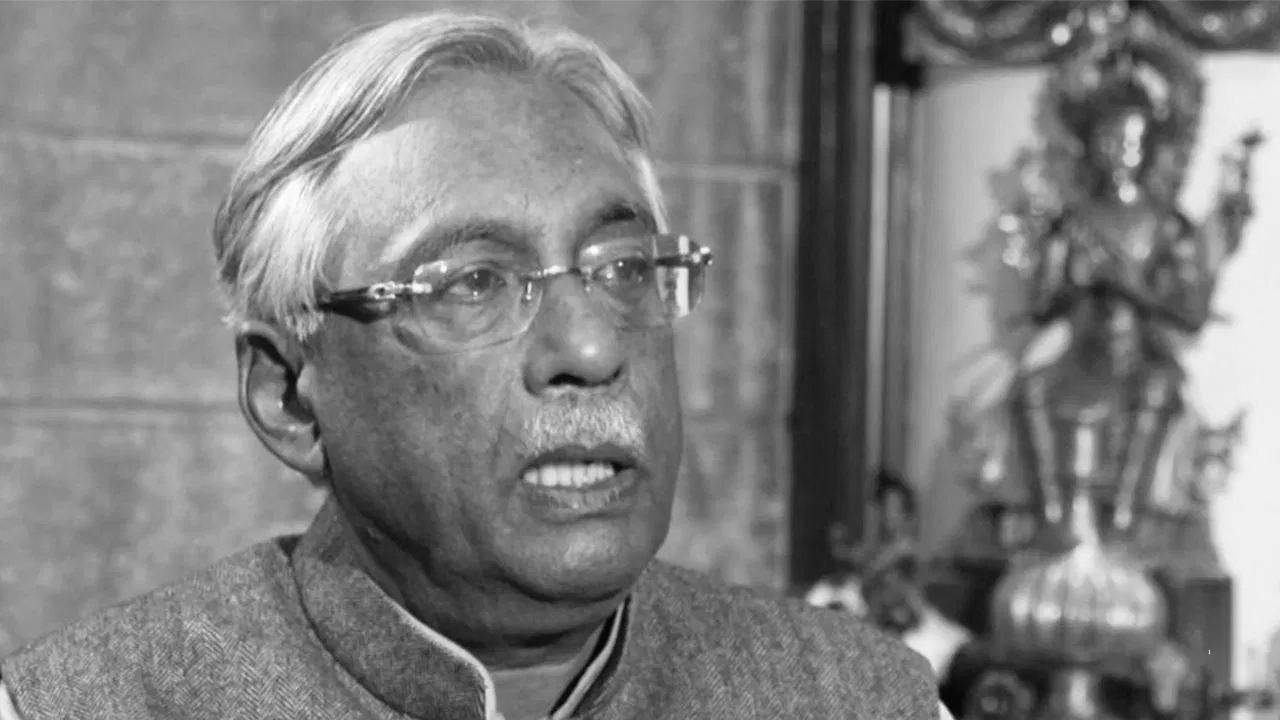
The newly formed Jan Suraaj Party has raised serious allegations that funds from the World Bank, originally intended for development projects, were allegedly diverted to influence the Bihar Assembly elections. Party spokesperson Pavan Verma, one of the key architects of Jan Suraaj, claimed that Rs 14,000 crore was used to distribute Rs 10,000 each to 1.25 crore women voters under the Mukhyamantri Mahila Rojgar Yojana.
Pavan Verma said the transfers reportedly occurred just an hour before the election’s moral code of conduct took effect, raising ethical questions. He noted that 2.5 crore women had not received the amount, and rumours suggested that continued benefits might depend on the NDA retaining power. Verma clarified that these allegations were based on the party’s information and may or may not be accurate, but if true, they raise serious concerns about the ethical use of development funds.
Verma also addressed reasons behind Jan Suraaj’s poor performance in the elections, pointing to multiple factors. He dismissed claims that the party’s promise to lift Bihar’s liquor ban had hurt their prospects, arguing that the ban was ineffectively enforced, with liquor being sold openly and delivered to homes at higher prices. He highlighted that over 2 lakh people, mostly from extremely backward Dalit communities, are imprisoned under the prohibition law, many unable to pay bail.
The spokesperson suggested that the last-minute cash transfers to women and the ruling party’s existing policies significantly influenced voter behaviour, limiting support for the new party despite its campaign and message.
The 2025 Bihar Assembly elections ended in a decisive victory for the NDA, which secured 202 out of 243 seats, achieving a three-fourths majority. The BJP emerged as the single-largest party with 89 seats, closely followed by JD(U) with 85 seats. Other NDA allies, including Lok Janshakti Party (Ram Vilas), Hindustani Awam Morcha (Secular), and Rashtriya Lok Morcha, collectively won 28 seats. The opposition Mahagathbandhan managed only 35 seats, with RJD winning 25, Congress 6, and smaller parties sharing the remainder.
Verma emphasised that while Jan Suraaj’s message resonated with voters, structural challenges as a new party, combined with last-minute welfare transfers and the ruling coalition’s strong organisational base, contributed to its zero-seat outcome. He also questioned the long-term implications of using development funds for electoral purposes, suggesting it could undermine ethics, governance, and public trust if proven true.