
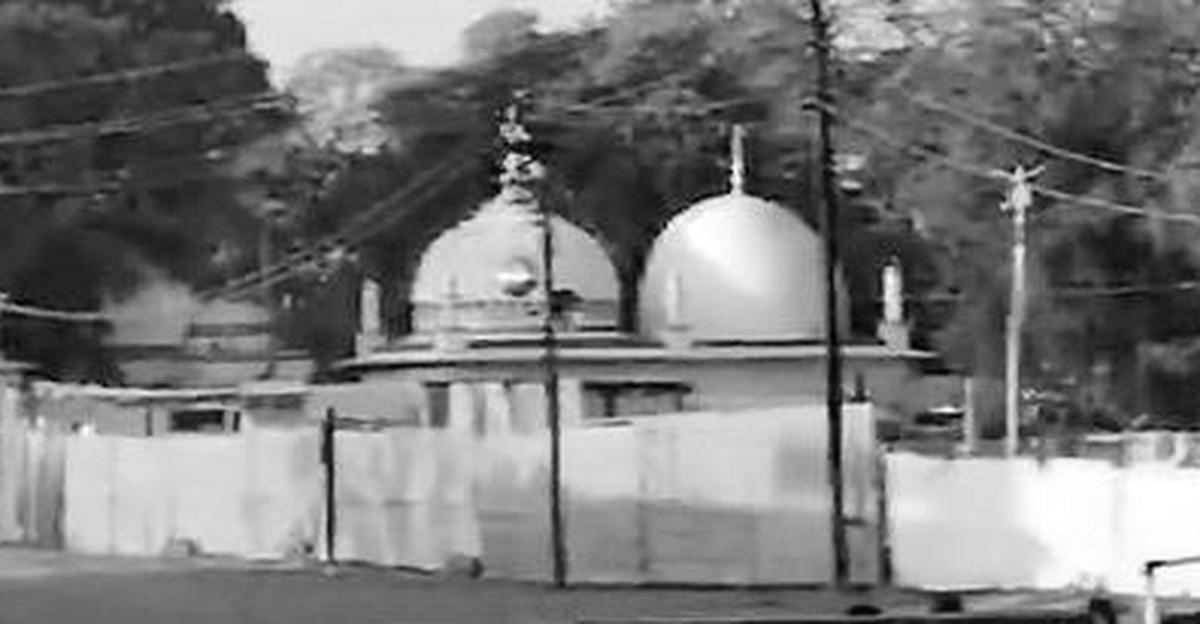
Bhojshala-Kamal Maula Dispute Enters Final Phase After Court Hearing
The Madhya Pradesh High Court on Tuesday reserved its judgment in the long-running Bhojshala-Kamal Maula Mosque dispute after concluding nearly a month of hearings involving Hindu, Muslim and Jain organisations over the religious character of the protected monument in Dhar district.
A division bench comprising Justices Vijay Kumar Shukla and Alok Awasthi heard five petitions and a writ appeal between April 6 and May 12 before reserving its decision, which will be pronounced at a later date.
The dispute centres on Bhojshala, an 11th-century monument protected by the Archaeological Survey of India (ASI). Hindu litigants claim the structure was originally a temple dedicated to Goddess Saraswati, also known as Vagdevi, and served as a centre of learning during the reign of Parmar king Raja Bhoj. Muslim organisations maintain that the site is the Kamal Maula Mosque and has historically functioned as a place of Islamic worship linked to Sufi saint Kamal Maula. Some Jain organisations have also asserted that the structure bears evidence of Jain heritage.
The hearings involved extensive arguments on history, archaeology, constitutional rights and religious practices. The court examined thousands of pages of historical records, inscriptions, survey documents and legal submissions presented by the competing parties.
A key focus during the proceedings was the ASI’s scientific survey report, which runs into more than 2,000 pages. According to findings cited before the court, the survey indicated that a massive structure dating back to the Parmar dynasty existed at the site before the current disputed complex and that several architectural components from temples appeared to have been reused in the present structure.
Hindu organisations argued that the archaeological findings support their claim that Bhojshala was originally a Saraswati temple. Muslim bodies, however, questioned the interpretation of the ASI findings and contended that the structure’s long-standing use as a mosque and the community’s worship rights cannot be disregarded. Jain groups sought recognition of what they described as the monument’s Jain historical elements.
At present, the site operates under a court-monitored arrangement under which Hindus are permitted worship on Tuesdays while Muslims are allowed to offer Friday namaz under regulated conditions. Security around the monument has frequently been heightened during religious observances due to the dispute’s sensitive nature.
The case is regarded as one of the country’s most closely watched heritage and worship-rights disputes, involving questions over the original character of the monument, rights of religious access, and the interpretation of archaeological evidence under constitutional and heritage laws.
With hearings now complete, all parties await the High Court’s verdict, which could have significant implications for the future management and religious status of the centuries-old monument.