
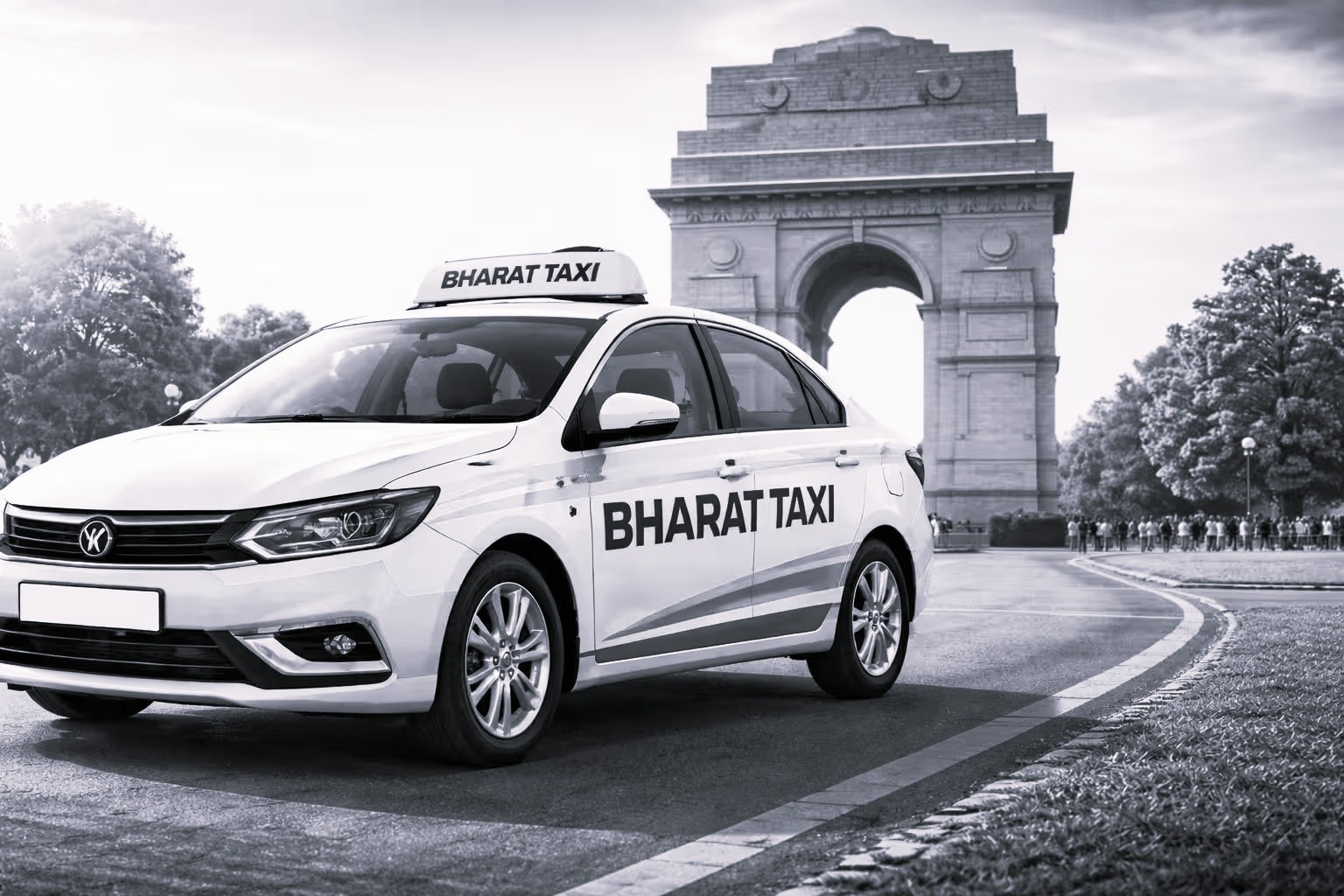
Bharat Taxi Drive Begins in Mumbai with Goyal Launching Onboarding Programme
India’s ride-hailing sector is witnessing a major shift with the launch and expansion of Bharat Taxi , a cooperative-led mobility platform aimed at improving driver welfare and ensuring fair earnings. The initiative was recently rolled out in Mumbai , with Union Minister Piyush Goyal launching the driver onboarding programme and application at Kandivali (West), marking a key step in its nationwide expansion.
Bharat Taxi operates under the Multi-State Cooperative Societies Act, 2002, and introduces a cooperative , driver-centric model that differs significantly from existing aggregator platforms. Drivers, referred to as Sarathis , are not just service providers but stakeholders, giving them a sense of ownership and participation in the platform’s growth. This approach is expected to strengthen the broader mobility ecosystem while promoting a more inclusive and sustainable framework.
One of the most notable features of Bharat Taxi is its zero-commission structure, allowing drivers to retain their entire fare without deductions. This is a major departure from traditional platforms that charge significant fees, often impacting driver income. By ensuring better earnings and reducing financial pressures, the platform directly addresses concerns in the gig economy and enhances transparency in operations.
For passengers, Bharat Taxi offers affordability through standardised fares and eliminates unpredictable surge pricing, thereby improving overall user experience. At the same time, drivers benefit from additional welfare measures such as insurance , access to financial assistance, and support for transitioning to electric vehicles, aligning with India’s push for EV adoption and greener transport solutions.
Since its initial rollout, the platform has expanded to regions including Delhi NCR, Gujarat, Chandigarh, and Lucknow, with Mumbai emerging as a crucial addition. The service has already onboarded lakhs of drivers and attracted a growing number of users, indicating strong acceptance. The government plans a phased nationwide expansion, positioning Bharat Taxi as a strong alternative to established global ride-hailing companies.
The significance of Bharat Taxi lies in its potential to reshape the industry by promoting a cooperative business model in the digital space. It supports the vision of “Sahkar se Samriddhi” by empowering drivers, enhancing their financial stability, and ensuring a fair distribution of profits. The initiative also encourages participation from women and marginalised groups, further strengthening its inclusive impact.
In conclusion, Bharat Taxi represents a transformative step in India’s urban transport landscape. By combining technology with cooperative principles, it aims to create a balanced ecosystem that benefits both drivers and passengers. If successfully scaled, the platform could redefine ride-hailing in India while setting a precedent for driver empowerment and sustainable urban mobility.