
Bhadrachalam Kalyanam: A Timeless Celebration of Telangana’s Spiritual and Cultural Heritage
As the first rays of sunlight fall on the banks of the Godavari River, the temple town of Bhadrachalam comes alive with the sound of temple bells, Vedic chants and the devotion of thousands of pilgrims. Every year, devotees gather here to witness one of the most celebrated religious traditions in South India — the Sita Rama Kalyanam, the celestial wedding of Lord Rama and Goddess Sita. More than a religious ceremony, the occasion represents centuries of faith, history and cultural heritage, making Bhadrachalam an important symbol of Telangana’s spiritual identity.
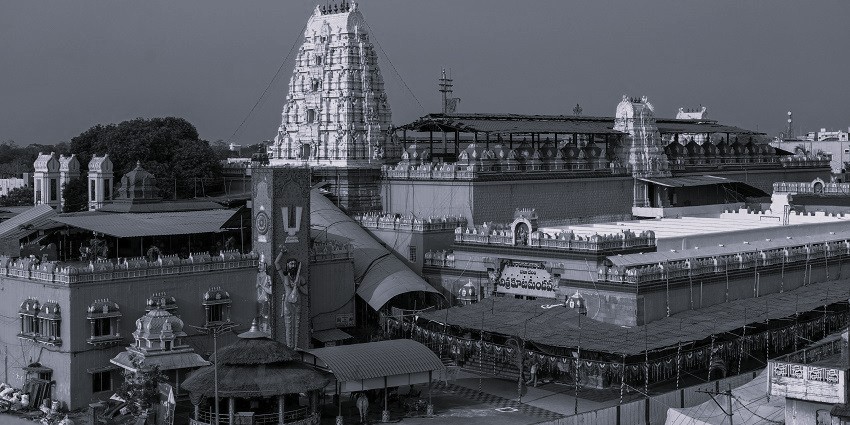
Popularly known as Dakshina Ayodhya, Bhadrachalam is situated in Bhadradri Kothagudem district of Telangana, on the banks of the Godavari River. The temple has a deep connection with the Ramayana and occupies a special place in the religious and cultural traditions of the region. Its importance extends beyond worship, bringing together mythology, music, royal history and traditional celebrations. The annual celestial wedding has become an important occasion for devotees, attracting visitors from Telangana, Andhra Pradesh and several other parts of the country.
According to local beliefs, the region is associated with the period of Lord Rama’s exile. The surrounding forests are traditionally believed to have been part of the landscape where Rama, Sita and Lakshmana spent time during their years in exile. The area is also connected with the events surrounding the abduction of Sita by Ravana. These associations have given Bhadrachalam a special place in the Ramayana tradition and strengthened its reputation as an important pilgrimage centre.
One of the most distinctive features of the temple is the representation of its principal deity. Lord Rama is worshipped in the form of Vaikuntha Rama, depicted with four arms holding divine attributes, including the conch and discus. Goddess Sita is seated on his lap, while Lakshmana stands beside him. This unusual representation distinguishes Bhadrachalam from many other Rama temples, where the deity is commonly depicted holding a bow and arrow. The unique idols and their religious significance make the temple an important destination for devotees seeking a deeper connection with the traditions associated with Lord Rama.
The origins of Bhadrachalam are rooted in the legend of a devotee named Bhadra, who performed intense penance on the banks of the Godavari, seeking the blessings of Lord Rama. According to local tradition, Bhadra wished to have a divine vision of Rama and continued his prayers with unwavering devotion. Legend says that although Rama could not fulfil Bhadra’s wish during his earthly journey, he later appeared in divine form to bless the devotee. The hill associated with this legend came to be known as Bhadrachalam.
Over the centuries, the idols are believed to have remained hidden in the surrounding forests until they were rediscovered by a tribal woman named Dammakka in the 17th century. Her discovery played an important role in bringing the shrine back into prominence. The temple subsequently developed into a major centre of worship, attracting devotees who continue to visit the shrine to offer prayers and participate in its traditional festivals.
The development of the present-day temple is closely associated with Kancherla Gopanna, popularly known as Bhadrachala Ramadasu. A devoted follower of Lord Rama, Gopanna served as a revenue official under the Golconda ruler Tanisha during the 17th century. During his tenure, he was deeply moved by the neglected condition of the shrine and decided to renovate and expand it. Driven by his devotion, he used government revenue funds for the temple's construction without obtaining the ruler's permission.
His decision eventually led to his imprisonment at Golconda Fort, where he reportedly spent 12 years. Despite the hardships of imprisonment, Ramadasu continued to express his devotion through music and poetry. His devotional compositions, which contained emotional appeals to Lord Rama, later became important contributions to the Carnatic music tradition. Even today, his songs are performed by musicians and devotional singers, preserving his legacy as one of the most respected saint-composers associated with the region.
One of the most remarkable traditions associated with the Sita Rama Kalyanam is the offering of Mutyala Talambralu, or pearled sacred rice, during the celestial wedding. The tradition is historically associated with Tanisha, the Muslim ruler of Golconda, who is remembered for his respect and devotion towards Lord Rama. According to tradition, Tanisha sent pearls, silk garments and other valuable offerings to the temple as a mark of devotion following Ramadasu's release from imprisonment.
This practice gradually became an important part of the annual Kalyanam celebrations. The tradition continued under successive administrations, including the Nizams, the Hyderabad State government, the undivided Andhra Pradesh government and, subsequently, the Telangana government. Even today, the state government sends official ceremonial offerings for the wedding. The government symbolically participates in the ceremony as a representative of the bride's family, preserving a royal tradition that has continued for generations. This practice also reflects the historical coexistence of different religious communities and demonstrates how devotion and cultural traditions can transcend religious and political boundaries.
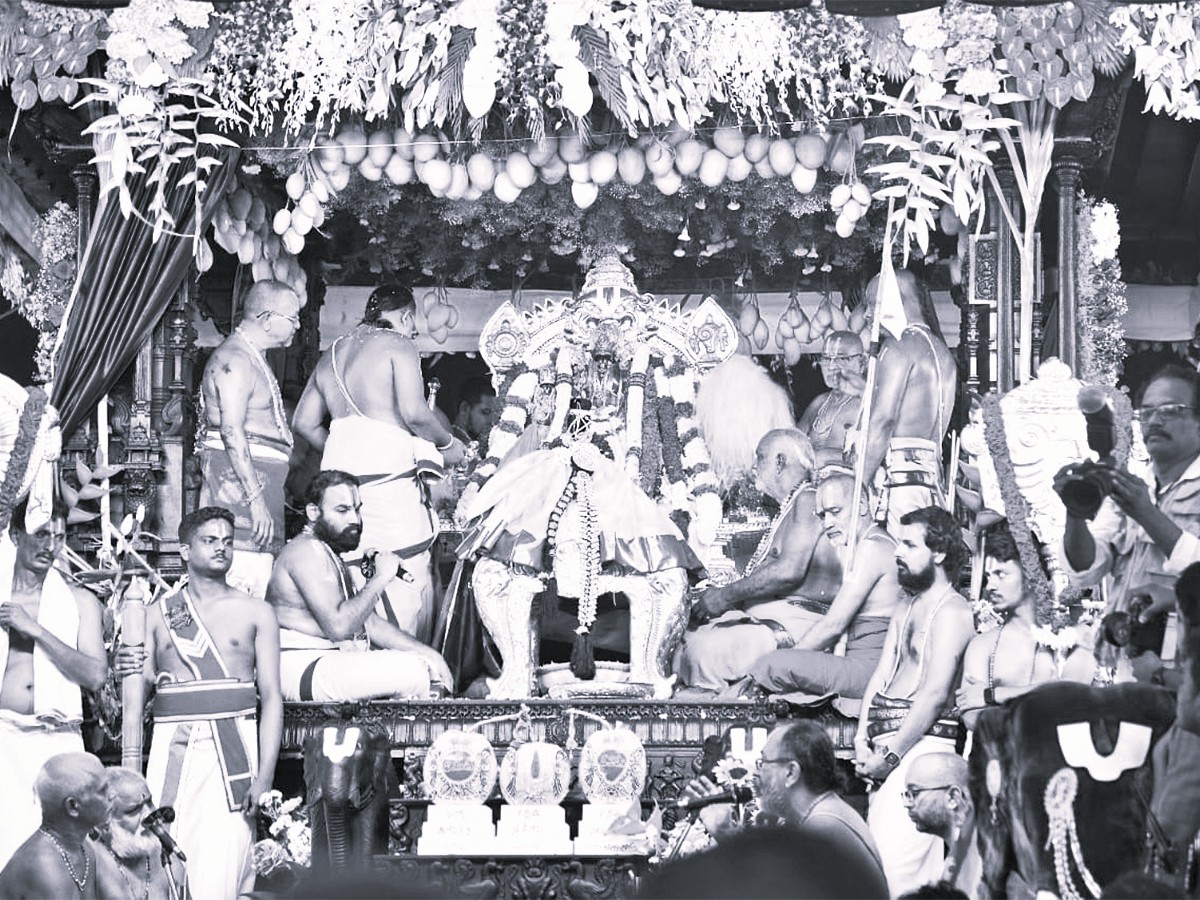
The annual Sita Rama Kalyanam is celebrated on Chaitra Shuddha Navami, which falls during the Hindu month of Chaitra. The occasion attracts thousands of devotees, religious leaders, public representatives and visitors from different parts of the country. The wedding is traditionally performed during the auspicious Abhijit Muhurtham, accompanied by Vedic chants, devotional music and elaborate religious rituals. The ceremony recreates the sacred marriage of Lord Rama and Goddess Sita, allowing devotees to participate in a tradition that has continued for centuries.
The Mutyala Talambralu used during the ceremony hold particular importance. The rice is specially prepared through traditional methods, with devotees hand-processing it without machines as an expression of their faith and dedication. Another distinctive feature is the mangalsutra offered to Goddess Sita during the wedding. It is traditionally associated with three discs representing King Dasharatha, King Janaka and Bhadrachala Ramadasu. The inclusion of Ramadasu reflects the belief that he offered the mangalsutra in the role of a father, highlighting his emotional and spiritual connection with the divine couple. Devotees consider witnessing the celestial wedding highly auspicious and believe that participating in the ceremony brings prosperity, happiness, family well-being and spiritual fulfilment.
Apart from its religious importance, Bhadrachalam occupies a significant place in the political and cultural history of Telangana. Its administrative status became a subject of discussion during the Telangana statehood movement, with debates surrounding the region's geographical and cultural identity. Following the formation of Telangana in 2014 and subsequent administrative reorganisation, Bhadrachalam became part of Bhadradri Kothagudem district in 2016. Today, the temple is widely recognised as one of the important symbols of the state's spiritual heritage. The annual Kalyanam celebrations bring together people from different districts and communities, reinforcing a shared sense of cultural belonging. The government's continued participation in the ceremony also demonstrates the importance attached to preserving traditional religious practices.
Bhadrachalam offers visitors more than a religious experience. Its surroundings combine natural beauty, tribal culture and locations associated with the Ramayana, making it an attractive destination for spiritual and heritage tourism. One of the prominent nearby attractions is Parnasala, traditionally believed to be the place where Lord Rama built his forest dwelling during exile. Local legends associate the location with the events surrounding Sita's abduction by Ravana. Various places and features in the area are connected with these stories and attract pilgrims interested in exploring the region's Ramayana heritage.
The Godavari River is another major attraction. Its journey through the scenic Papikondalu hills offers visitors an opportunity to experience winding river stretches, green forests and peaceful landscapes. Boat journeys through this region are particularly popular among tourists seeking a combination of nature and spirituality. The surrounding tribal settlements, local traditions and the Dummugudem barrage also contribute to the region's cultural and geographical significance. Together, these attractions provide visitors with an opportunity to explore the area's natural environment and traditional way of life.
Bhadrachalam is accessible by road from major cities such as Hyderabad, Vijayawada, Rajahmundry and Visakhapatnam. The nearest railway station is Bhadrachalam Road, near Kothagudem, approximately 40 km from the temple town. Visitors travelling by air can use airports in nearby major cities and continue their journey by road. Pilgrims can find accommodation through temple guest houses and private hotels. The temple also provides free meal services for devotees, helping accommodate the large number of visitors who arrive throughout the year, particularly during major festivals.
The temple generally remains open from around 4:30 AM to 9 PM, although timings may vary depending on religious occasions and festival schedules. During the annual Kalyanam, special arrangements are generally made to manage crowds and facilitate the participation of devotees.
Bhadrachalam represents a rare combination of mythology, history, devotion, music and cultural identity. The legend of Bhadra, the discovery associated with Dammakka, the devotion of Ramadasu and the royal offerings linked to Tanisha have collectively shaped the temple's remarkable history. The annual Sita Rama Kalyanam continues to bring these traditions to life, reminding devotees of the enduring significance of faith and cultural continuity. The Mutyala Talambralu, sacred wedding rituals and participation of the state government demonstrate how a centuries-old tradition remains relevant in contemporary society.
For Telangana, Bhadrachalam is more than a pilgrimage destination; it is a treasured symbol of spiritual and cultural pride. The peaceful Godavari, surrounding landscapes and devotion associated with Lord Rama make the town a unique destination where history and faith coexist. As thousands of devotees gather every year to witness the celestial wedding, Bhadrachalam continues to preserve a legacy that connects generations. It is not simply a place people visit to offer prayers but a living tradition that reflects the region's collective memory, cultural richness and enduring devotion.