
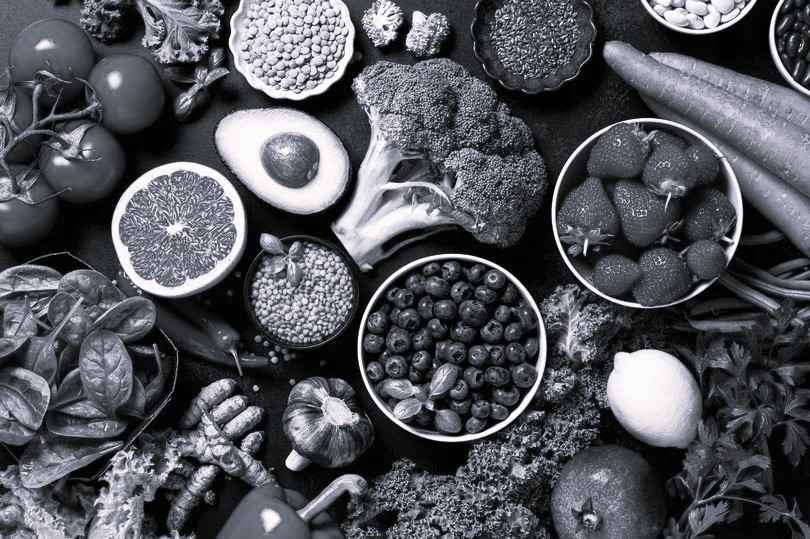
Beyond Pills and Packets: Rediscovering the healing power of natural foods in an age of lifestyle diseases
Non-communicable diseases (NCDs) diabetes, obesity, hypertension, cardiovascular ailments, and cancers have become the defining health crisis of our times. Once considered the burden of affluent nations, these chronic disorders are now a global epidemic, silently consuming lives across every income group. India, once known for its vibrant traditional diets and physically active lifestyles, is today among the world’s top diabetes capitals. The World Health Organization estimates that NCDs account for nearly 63 percent of all deaths in India, an alarming figure that underscores how our everyday habits are eroding collective well-being.
Despite the technological sophistication of modern healthcare from robotic surgeries to precision diagnostics the epidemic of lifestyle-related diseases continues to surge. Hospitals overflow, new drugs flood the market, yet the roots of the problem lie not in a lack of medical treatment but in how we eat, move, and live. Our bodies are overfed and undernourished; our meals are full of calories but empty of vitality.
The limits of modern medicine
To be fair, allopathy is unmatched in handling emergencies. It can save a life from a heart attack, repair a kidney, or manage insulin levels with exacting precision. But when it comes to chronic, slow-progressing illnesses those born out of years of dietary neglect and environmental stress, its tools are largely palliative, not curative.
Pharmaceuticals suppress symptoms but seldom correct the root imbalance. Statins lower cholesterol, yet heart diseases remain rampant. Metformin controls blood sugar, yet diabetes spreads faster each year. The model of care remains reactive: treat the outcome, not the cause.
This gap exists because our healthcare systems are treatment-driven, not prevention-oriented. Nutrition, lifestyle, and psychological wellness the triad that determines metabolic health remain peripheral to clinical practice. Most medical schools offer only minimal training in diet science, and fewer still integrate traditional wisdom with modern evidence. As a result, we have created a world where food and medicine exist in isolation, even though they were once inseparable.
When “health foods” make us sick
Compounding the problem is the modern food environment. Supermarkets and television screens bombard us with products claiming to be low-fat, sugar-free, or high-protein. In reality, many of these “healthy” foods are ultra-processed products engineered for taste and shelf life, not for nutrition. They contain refined oils, artificial sweeteners, preservatives, and flavour enhancers that confuse our metabolism and damage the gut microbiome, the foundation of our immune and hormonal balance.
Ironically, even as we try to avoid sugar, we end up consuming hidden forms of it in breakfast cereals, granola bars, and so-called diet snacks. What appears as progress is often packaged deception. A century ago, people feared famine; today, we fear food itself not because it is scarce, but because it is synthetic.
A sweet contradiction - The Mango study
Amid this confusion, a recent study from George Mason University, published in Foods (August 2025), has stirred debate and curiosity. It challenges the long-held assumption that sweet fruits, particularly mangoes, are unsuitable for people at risk of diabetes.
In this six-month clinical trial led by Dr. Raedeh Basiri, researchers divided adults with prediabetes into two groups. One group consumed a fresh mango daily, while the other had a low-sugar granola bar. The results were unexpected: despite containing three times more sugar, the mango group showed better blood glucose control, improved insulin sensitivity, and reduced body fat compared to the granola bar group.
How can a fruit richer in sugar yield better metabolic results? The answer lies in how nature packages nutrition. The natural sugars in mango are accompanied by fibre, vitamins, polyphenols, and antioxidants that slow sugar absorption, feed beneficial gut bacteria, and combat oxidative stress. A granola bar, even if “low in sugar,” is still a processed product stripped of the living synergy that exists in whole foods.
This distinction between added sugar and natural sugar bound to fibre is crucial. When we eat a whole fruit, the body digests it gradually, allowing a steady release of energy. When we consume refined sugar, the glucose spikes sharply, prompting the pancreas to release a surge of insulin, followed by a crash that triggers cravings. Over time, this rollercoaster leads to insulin resistance, the foundation of diabetes and obesity.
Beyond mangoes - The symphony of wholesome foods
While mangoes have become the symbol of this rediscovered wisdom, they are only one note in the orchestra of whole foods that can restore metabolic harmony.
• Apples contain pectin, a soluble fibre that stabilizes blood sugar and lowers cholesterol.
• Guavas , rich in vitamin C and low in glycemic load, are ideal for diabetics.
• Bananas , though often maligned for being “high in carbs,” are packed with potassium, magnesium, and resistant starch that aids digestion.
• Berries , loaded with anthocyanins, improve insulin sensitivity and protect blood vessels.
• Whole grains like millets, brown rice, and oats release glucose slowly, preventing spikes and promoting satiety.
• Legumes, lentils , beans, chickpeas provide plant-based protein and gut-friendly fibre that enhance metabolic resilience.
• Nuts and seeds , from almonds to flaxseeds, supply healthy fats that reduce inflammation and support brain and heart health.
• Fermented foods like curd, idli batter, and kimchi rejuvenate the gut microbiome, which in turn governs metabolism and immunity.
• And of course, green vegetables nature’s pharmacopoeia offer minerals, chlorophyll, and antioxidants that detoxify the body.
Together, these foods form the foundation of what nutritionists call a “whole-food, plant-forward diet” a dietary pattern now backed by mounting evidence as the most effective way to prevent and even reverse NCDs.
Science meets traditional wisdom
Long before randomized trials, traditional food cultures across the world recognized the healing power of natural foods. Ayurveda classified foods by their energy and effect on the body, sattvic foods (fresh, unprocessed, plant-based) were believed to promote longevity and calmness. The Mediterranean diet, rich in olive oil, vegetables, and nuts, has now been scientifically proven to reduce cardiovascular risk. Japan’s Okinawan diet, centered around vegetables, seaweed, and minimal meat, has produced some of the longest-living people on earth.
Modern nutrition science is slowly validating what ancient cultures practiced intuitively: food is information. It communicates with our cells, switches genes on and off, and determines whether inflammation or healing dominates our biology. Ultra-processed foods send chaotic signals; whole foods restore balance.
Why we need a food revolution, not a medical revolution
The path forward is not another miracle drug or diet trend but a return to real food. Governments and policymakers must recognize that preventing NCDs requires a radical shift from hospital-centric health systems to community-based nutritional education. Instead of subsidizing pharmaceutical giants, public health funds should promote kitchen gardens, local farming, and access to fresh produce.
Educational institutions should teach food literacy alongside science and mathematics helping children understand where food comes from and how it affects their bodies. Doctors should receive nutritional training, enabling them to prescribe dietary interventions before medications. Urban planning should encourage walking, cycling, and access to open markets instead of fast-food chains. The fight against NCDs is not just medical; it is cultural, economic, and ethical. Every time we choose an industrially packaged snack over a handful of nuts or fruit, we vote for disease. Every time we buy seasonal, local produce, we vote for health.
Reclaiming the lost balance
Our ancestors may not have known the word “antioxidant,” but they knew instinctively what nourished life. They ate according to seasons, respected hunger and satiety cues, and saw food as sacred. In contrast, modern life has commodified eating into an act of convenience and pleasure divorced from nature’s rhythm. The result is the global pandemic of metabolic disorders we see today. The mango study, though industry-funded and limited in scope, offers an important reminder: the quality of food matters more than isolated nutrients. A fruit, eaten whole, can outperform a laboratory snack because life recognizes life. The closer our diet remains to the earth, the more our bodies thrive.
From reactive medicine to preventive nourishment
If healthcare is to evolve meaningfully, it must bridge the divide between clinical treatment and nutritional prevention. Hospitals should become centers of lifestyle renewal, not just disease management. Nutritionists, physicians, and traditional medicine practitioners must collaborate to craft personalized, sustainable dietary models. Most importantly, individuals must reclaim agency over their own health. Wellness cannot be outsourced to doctors or supplements; it begins with conscious choices cooking at home, reading food labels, and valuing freshness over convenience.
The real sweet truth
The lesson from the mango and from countless fruits, grains, and greens is not that sugar is harmless, but that nature knows how to balance sweetness with wisdom. When we eat food in its natural form, the body recognizes it, digests it, and transforms it into energy. When we eat food designed in a factory, the body struggles to understand it and disease follows. The epidemic of NCDs is not a medical mystery; it is a cultural mirror reflecting how far we have drifted from nature. Reversing it will require humility, not just innovation humility to accept that our bodies are ancient and thrive best on ancient foods.
Conclusion
In a world obsessed with calorie counts and chemical cures, the simplest solution lies in returning to the basics. Whole foods fruits like mangoes and guavas, vegetables, grains, legumes, nuts, and seeds are not mere diet options; they are the true medicines of life. They heal gently, prevent silently, and sustain abundantly. The George Mason University study should not be seen merely as validation of mango’s sweetness, but as a metaphor for a broader truth: when we eat close to nature, we live closer to health. Pills can manage diseases, but only real food can prevent them. The future of public health depends not on new inventions but on ancient wisdom. We have almost forgotten that the kitchen, not the clinic, is where the battle for health is truly won.