
Beyond 114 Medals: Does India Offer Para-Athletes Equal Opportunities?
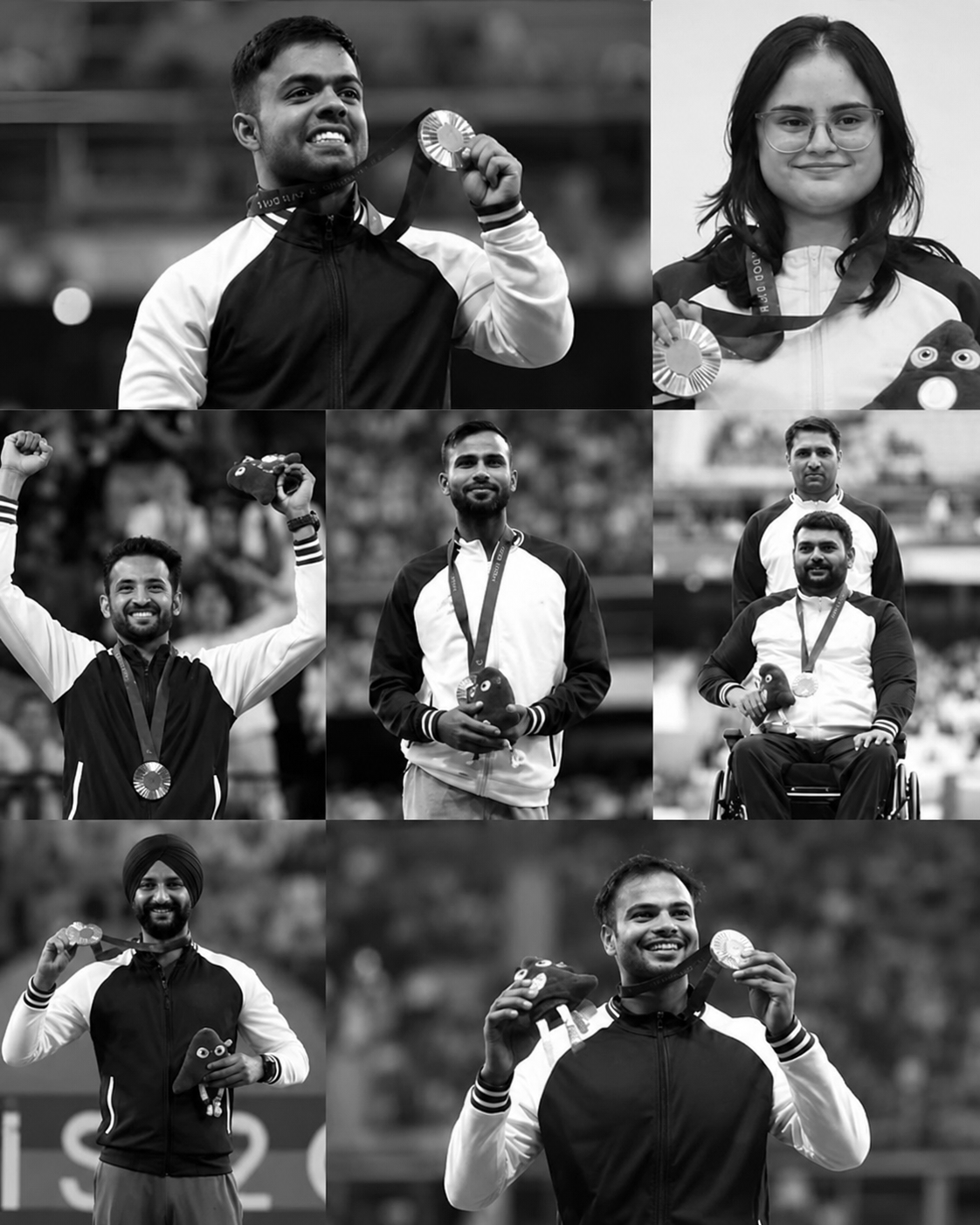
India's para-athletes have delivered their best-ever performance at the Asian Para Games, winning a record 114 medals at the Aichi-Nagoya Games in Japan. The achievement has drawn appreciation from President Droupadi Murmu, Prime Minister Narendra Modi and Indian Olympic Association president P. T. Usha. However, beyond the celebrations lies a larger question about whether para-athletes across the country have equal access to sporting facilities, financial assistance, equipment and career opportunities.
India finished fourth in the overall standings with 30 gold, 35 silver and 49 bronze medals, surpassing its previous best of 108 medals at the 2023 Asian Para Games in Hangzhou, China. The latest performance reflects the growing presence of Indian para-sports on the international stage. Para-athletics emerged as the biggest contributor, accounting for 65 medals, while para-badminton added 16 and para-swimming contributed 11. India also secured medals in para-archery, para-shooting, para-table tennis and other disciplines.
The achievements received appreciation from prominent personalities. President Droupadi Murmu praised the athletes' determination and perseverance, while Prime Minister Narendra Modi, in a message shared on October 25, described the performance as an occasion of immense pride and joy for the nation. Indian Olympic Association president P. T. Usha congratulated the athletes and acknowledged the contribution of coaches and support staff. Former Indian cricketer Shikhar Dhawan also joined the appreciation, highlighting the athletes' dedication and hard work.
These messages have brought national attention to para-sports, but recognition after a major competition is only one part of an athlete's journey. Consistent support before and after competitions is equally important for building a sustainable sporting career.
India has introduced several programmes to identify talent and support athletes. The Khelo India Para Games provide a national platform for competitors, while the Sports Authority of India operates National Centres of Excellence to develop sporting talent. The Target Olympic Podium Scheme (TOPS) provides selected elite athletes with customised support, including approved training, coaching, equipment and other requirements. Government-reported figures in February 2026 indicated that 183 residential para-athletes were receiving structured training against 286 sanctioned positions at elite training centres.
These initiatives provide a foundation for India's sporting progress. However, access to elite programmes does not necessarily mean that aspiring athletes in smaller towns and rural areas receive the same opportunities. The availability of qualified coaches, accessible training facilities and district-level competitions can influence whether talented individuals progress to national and international events. Examining the gap between announced support and athletes' actual experiences is essential to understanding how inclusive the system is.
Financial constraints can also affect an athlete's ability to continue training. Depending on the sport and individual requirements, specialised equipment such as racing wheelchairs, prosthetic blades and adaptive sporting devices can involve substantial expenses. Maintenance, repairs and replacement parts add to the cost. Travel, accommodation, nutrition and rehabilitation can further increase the financial burden, particularly for athletes who require assistance from caregivers.
Government schemes offer assistance to eligible athletes, but questions remain about how quickly support reaches them and whether it meets their specific requirements. Athletes and families can provide valuable evidence through equipment bills, travel expenses and accounts of competitions or training sessions missed because of financial difficulties. Such information would help establish the extent of these challenges without assuming that every para-athlete faces identical circumstances.
Accessibility is another important factor. Athletes need more than suitable competition venues; they require accessible training grounds, gyms, changing rooms, toilets, accommodation and transport throughout the year. A lack of appropriate facilities can make regular training difficult, particularly for those who live far from specialist centres. Since sports infrastructure and training are primarily state responsibilities, differences between states and districts deserve attention. Visits to facilities and interviews with athletes could establish whether existing infrastructure meets their needs.
Rehabilitation and healthcare are equally important to long-term performance. Para-athletes may require specialised physiotherapy, sports medicine, equipment adjustments and individualised recovery programmes. Mental conditioning can also help them manage competition pressure, injuries and uncertainty about their careers. Although government support frameworks recognise several of these services, their availability to developing athletes and those outside major training centres needs closer examination.
Financial security beyond competition is another concern. Sponsorship can help athletes meet training and travel expenses, but emerging competitors may struggle to attract commercial support before achieving significant results. Government sports-quota recruitment, scholarships and other assistance can provide career pathways to eligible sportspersons. Yet the availability of these opportunities does not establish how many para-athletes secure employment or whether support reaches competitors across different sports and regions.
The experiences of athletes who miss selection, sustain career-ending injuries or do not win medals are particularly important. Opportunities in coaching, sports administration, education and other professions can help athletes build secure futures after competition. Women para-athletes also deserve attention, particularly regarding access to coaching, safe accommodation, transport, sponsorship and career development. Their experiences should be documented rather than assuming that international recognition automatically ensures equal treatment.
India's record medal tally is a significant achievement, but the future of para-sports depends on developing opportunities at every level. Interviews with medal winners, emerging athletes, coaches, families, sports administrators and disability-rights advocates can help identify the barriers that remain. Questions about equipment costs, funding delays, accessible infrastructure, rehabilitation and employment should be supported by verifiable records and responses from the relevant authorities.
The 114 medals won in Japan demonstrate what Indian para-athletes can achieve through determination and preparation. The next challenge is to ensure that aspiring competitors have the facilities, resources and support needed to pursue their ambitions. The real measure of progress will not only be the medals India wins, but also whether athletes receive fair opportunities to compete, develop and build secure futures beyond the podium.