
Bengaluru's Silk Board Double-Decker Flyover Fully Opens and Shifts the Problem Down the Road
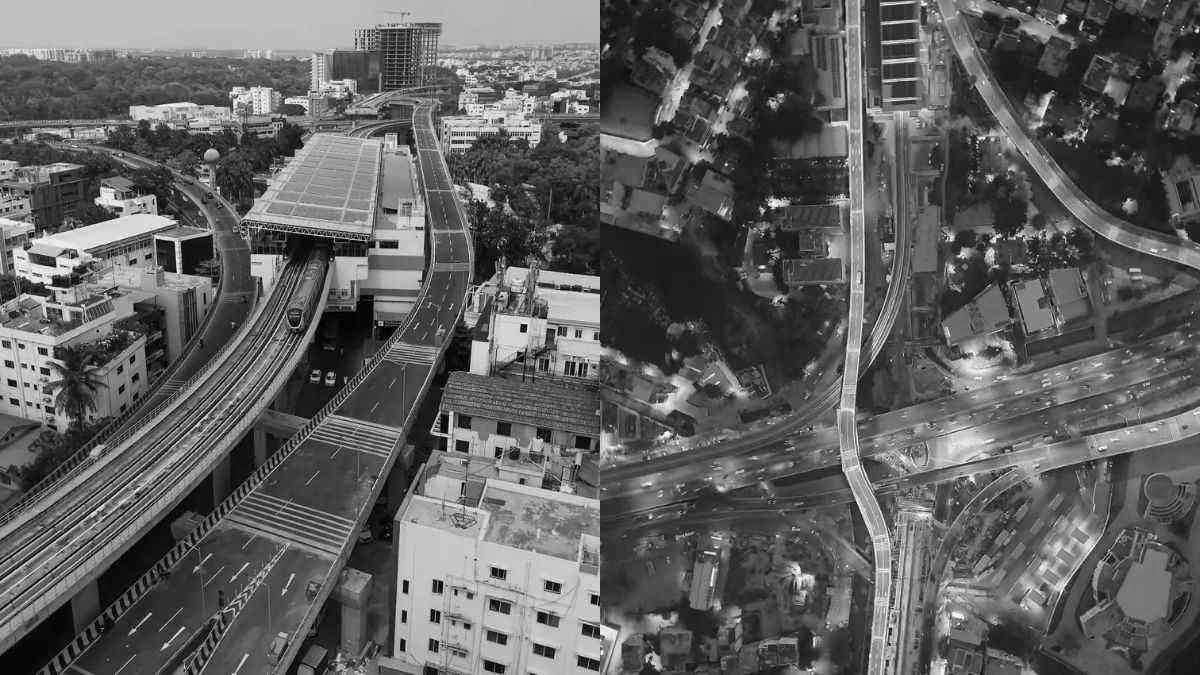
Bengaluru has finally delivered on one of its most complex urban infrastructure promises. All five flyovers of the Central Silk Board double-decker structure are now operational , making it South India's first road-cum-rail structure, a milestone that has been years in the making for a city that consistently ranks among the world's most congested.
Built at a cost of approximately ₹449 crore , the project spans about 5.12 km including loops and ramps, developed by BMRCL and constructed by Afcons Infrastructure. The double-decker design features two levels, vehicles use the lower deck at 8 metres, while the upper deck at 16 metres is reserved for Namma Metro trains. Silk Board junction is the city's second-most congested traffic point after Hebbal , making this one of the highest-stakes infrastructure bets in recent Karnataka history.
Three flyovers, A, B, and C, were opened in mid-2024 to ease travel from Ragigudda and BTM Layout toward HSR Layout and Electronic City. The newly added Flyovers D and E now allow commuters from HSR Layout to BTM to bypass the junction entirely , with officials saying commuters can save at least 30 minutes of travel time . Construction itself was a logistical challenge: due to space constraints and constant daytime traffic, work could only be carried out in a five-hour window between midnight and 5 am .
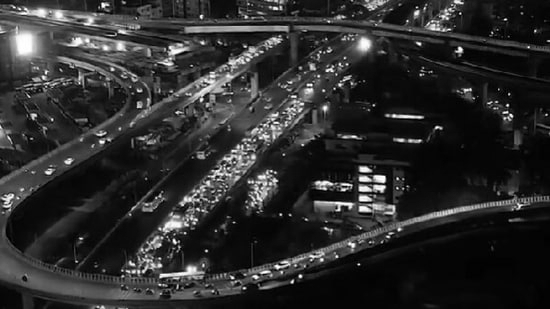
The relief, however, may be partial. The junction signal will now primarily serve HSR–Madivala and Electronic City–HSR traffic, meaning those corridors could see increased pressure as vehicles redistribute from the bypassed Silk Board signal to adjacent junctions like Madivala and BTM. Flyovers move congestion more often than they eliminate it and without a parallel traffic management plan for surrounding roads, the problem risks reappearing a few hundred metres away.
Authorities believe the combined impact of the flyover and upcoming metro connectivity will be what ultimately decongests the corridor long-term, though a firm timeline for the Blue Line's passenger service remains the key missing piece.