

Bengal Elections: Final Phase Voting Today, Curtains Down On Bitter Five-State Poll Season
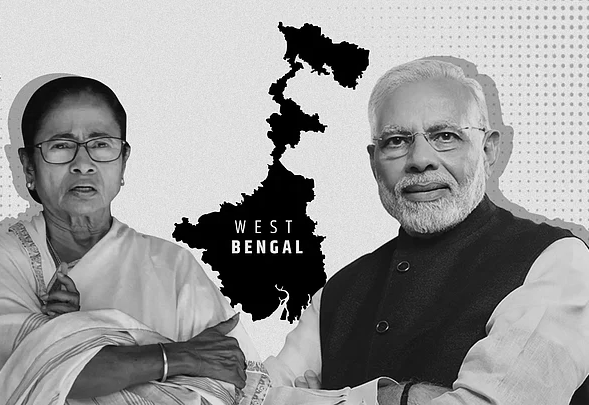
West Bengal votes today in the second and final phase of its fiercely contested 2026 Assembly election, bringing down the curtain on a bruising and politically charged five-state poll season that has gripped the country for weeks. With voting across Bengal’s remaining constituencies set to decide all 294 Assembly seats , attention is firmly fixed on a state that has once again become the epicentre of India’s national political theatre.
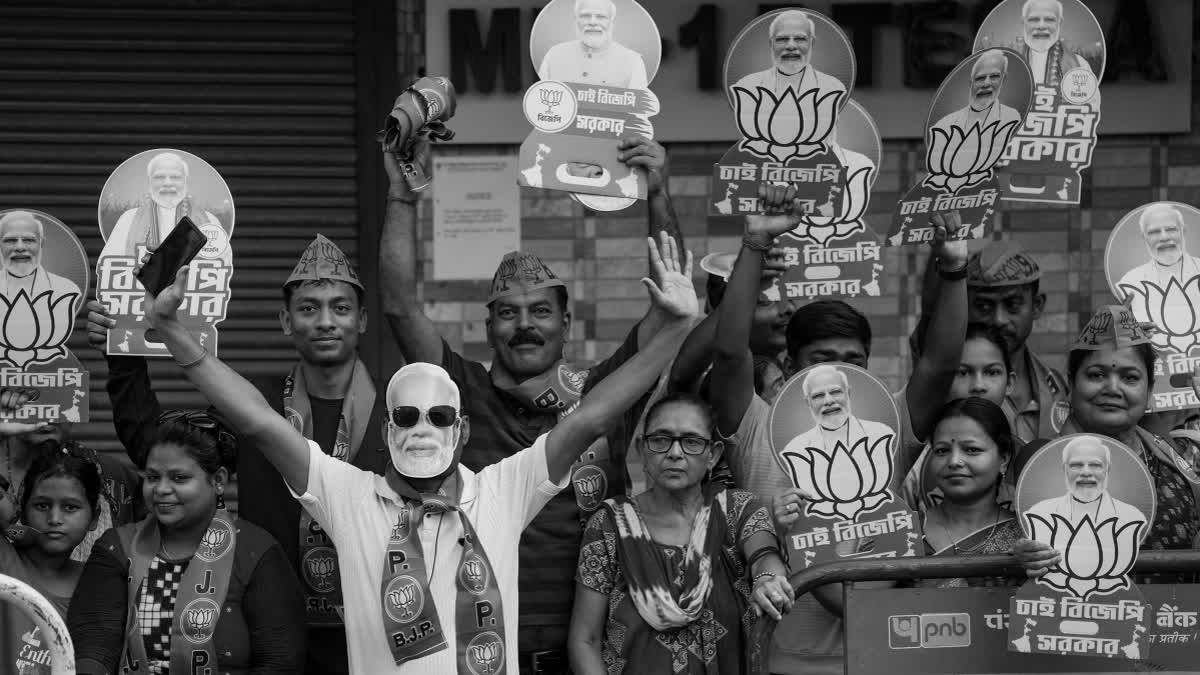
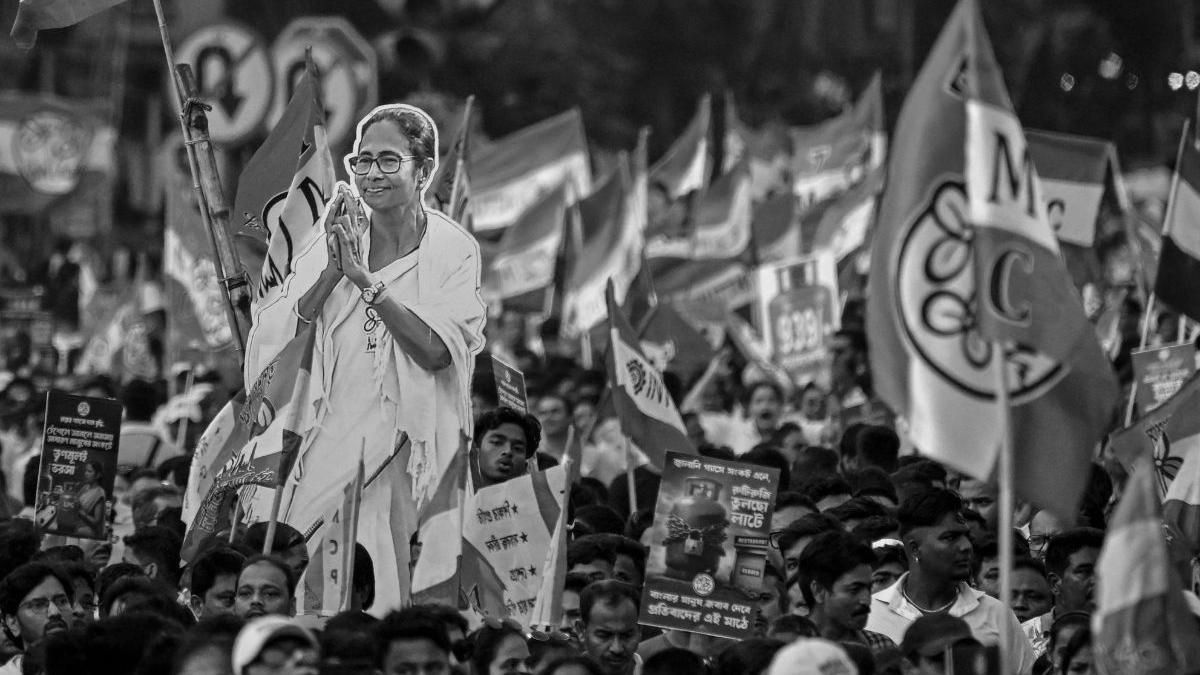
The final phase in Bengal carries stakes far beyond Kolkata. For Chief Minister Mamata Banerjee and the Trinamool Congress , this election is not merely about retaining power in one of India’s most politically symbolic states, but about preserving Mamata’s status as the BJP’s most formidable regional challenger and keeping alive her larger national ambitions. For the Bharatiya Janata Party , Bengal remains the ultimate eastern prize, a state it has chased aggressively for years, viewing a breakthrough here as critical to expanding beyond its traditional strongholds and reshaping India’s federal political map.
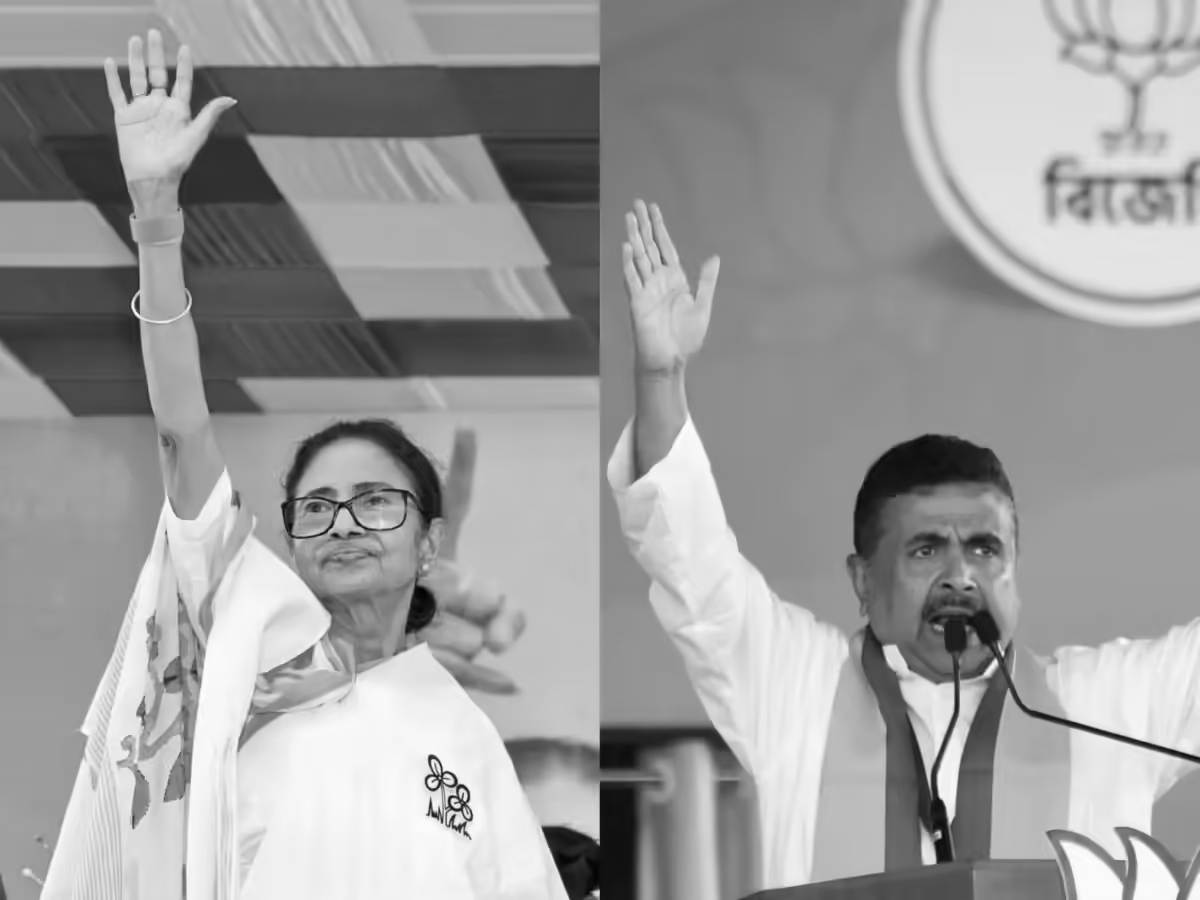
At the centre of the storm is Bhabanipur , where Mamata faces Leader of Opposition Suvendu Adhikari in what many have called the defining battle of the election. The campaign’s closing days have seen extraordinary political spectacle, from Narendra Modi’s football optics in Sikkim to BJP leaders countering Bengal identity attacks through carefully choreographed cultural messaging, while controversies over caste remarks, law-and-order, Election Commission interventions and ED raids have sharpened an already bitter atmosphere.
The first phase of Bengal voting on April 23 recorded a remarkable 93.19 per cent turnout , setting the stage for another intense day of polling under heavy security, with the Election Commission deploying CAPF extensively and warning against intimidation or violence.
But Bengal is only one piece of a much larger electoral puzzle. Today’s voting also effectively closes the chapter on elections across five politically significant states , each carrying its own consequences for regional leadership, party momentum and national narratives.
In Tamil Nadu , the battle is being watched as a test of whether the BJP can deepen its footprint in the Dravidian south against entrenched regional forces. In Kerala , ideological prestige and coalition arithmetic remain central as both the Left and Congress seek narrative advantage. In Assam , the contest is seen as a referendum on governance, identity and the BJP’s hold in the Northeast. In Puducherry , though smaller in scale, the outcome could influence alliance equations and southern political messaging.
Together, these elections represent more than state contests. They are being seen as the first major political barometer since the last general election cycle, offering clues on opposition resilience, BJP expansion, regional satrap strength and voter mood amid inflation, welfare politics and identity debates.
As campaigning ends and ballots take over, political parties across India now wait for May 4 , when results from all five states will be declared. For some, it could mean validation and consolidation. For others, it may trigger leadership questions, strategic resets or even national repositioning.
After weeks of rallies, rhetoric, symbolism and relentless political combat, the noise ends today. The voters now hold the final word.