
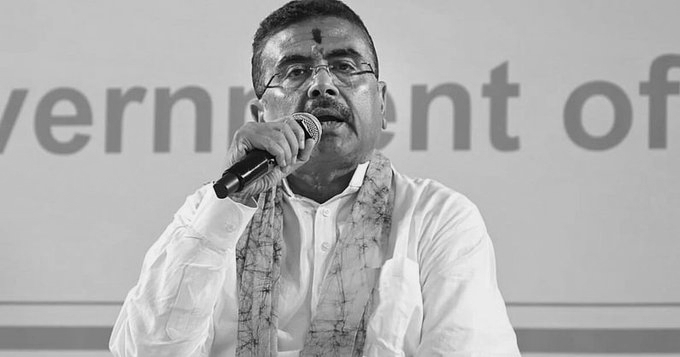
Bengal CM Adhikari Promises CAA Citizenship to 2.5 Lakh Applicants by December 31
West Bengal Chief Minister Suvendu Adhikari on Sunday said his government would complete hearings for around 2.5 lakh applicants under the Citizenship Amendment Act (CAA) and issue citizenship certificates to eligible people by December 31. Addressing the International Matua Gosai Convention 2026 in North 24 Parganas district, Adhikari said around 25,000 people had received citizenship certificates in the state so far.
“We will complete the hearings by December 31 and issue citizenship certificates to them. This is my responsibility,” he said, adding that no eligible applicant would be left out. Adhikari said eligible Scheduled Caste applicants, particularly members of the Namasudra community, would receive their caste certificates without delay. He also promised assistance to newly recognised citizens in enrolling their names in electoral rolls during the special revision exercise scheduled to begin in January.
The chief minister announced a ₹50-crore grant for Matua community development during the current financial year and promised to restructure the Matua Development Board.
He said the government would review cases involving Matua refugees lodged in jails in Bongaon, Barasat and Ranaghat without trial and work towards securing their release. He also promised land and housing assistance to eligible beneficiaries.
Adhikari said the Chandpara health centre would be upgraded to a 100-bed hospital within six months and named after Maa Binapani, the community’s revered matriarch. Thakurnagar would be declared a municipality during the next state Budget session, he added.
The government would extend assistance to the annual Baruni Mela and seek national fair status for the festival. It would also support the Sraboni Mela and provide assistance to eligible Matua families through welfare schemes, including Annapurna Yojana and Ayushman Bharat.
Targeting former chief minister Mamata Banerjee, Adhikari accused the previous TMC government of opposing the CAA and neglecting the community. The Matuas, primarily belonging to the Namasudra community, emerged as a religious and social reform movement in undivided Bengal under Harichand Thakur in the late 19th century.