
Beijing’s Power Play: Putin Walks Away With Deals, But Not the Deal That Mattered Most
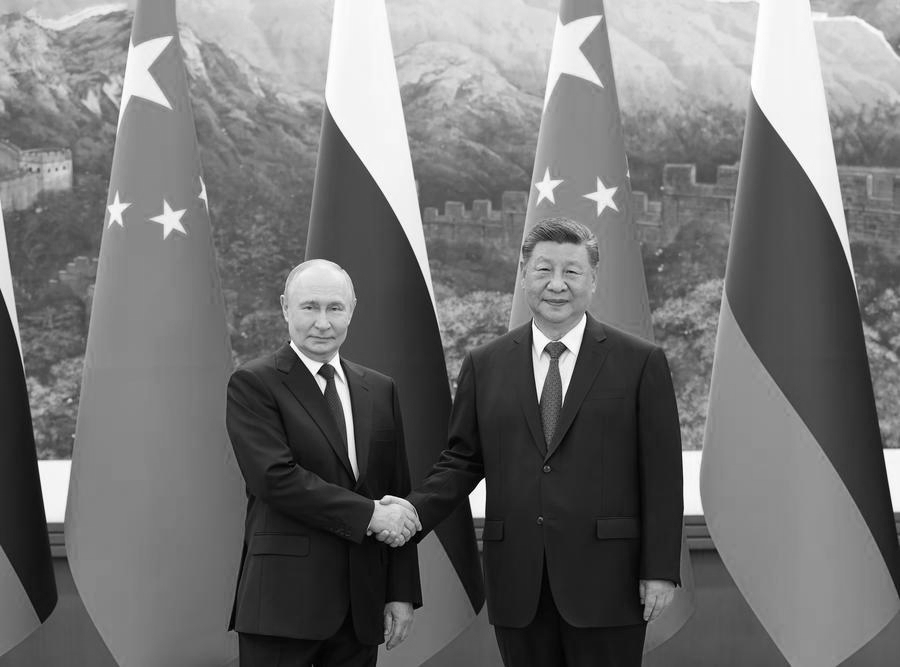
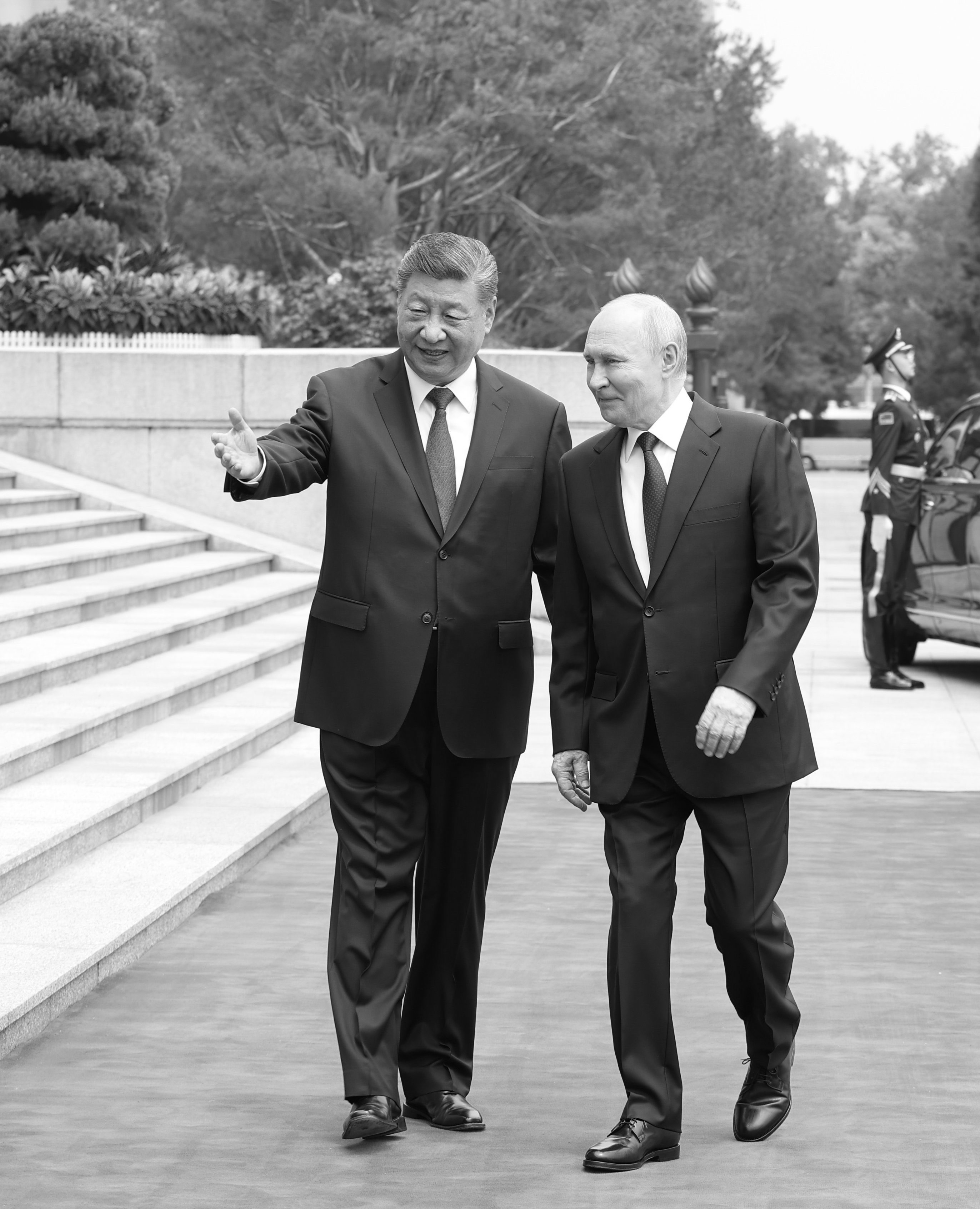
Vladimir Putin arrived at the Great Hall of the People in Beijing on Wednesday morning to a welcome that made geopolitical statements without a single speech. Children waved Russian and Chinese flags as an honour guard stood to attention, with Xi Jinping receiving Putin for bilateral talks only days after hosting U.S. President Donald Trump , a sequencing that the world noticed immediately and that Beijing intended it to.
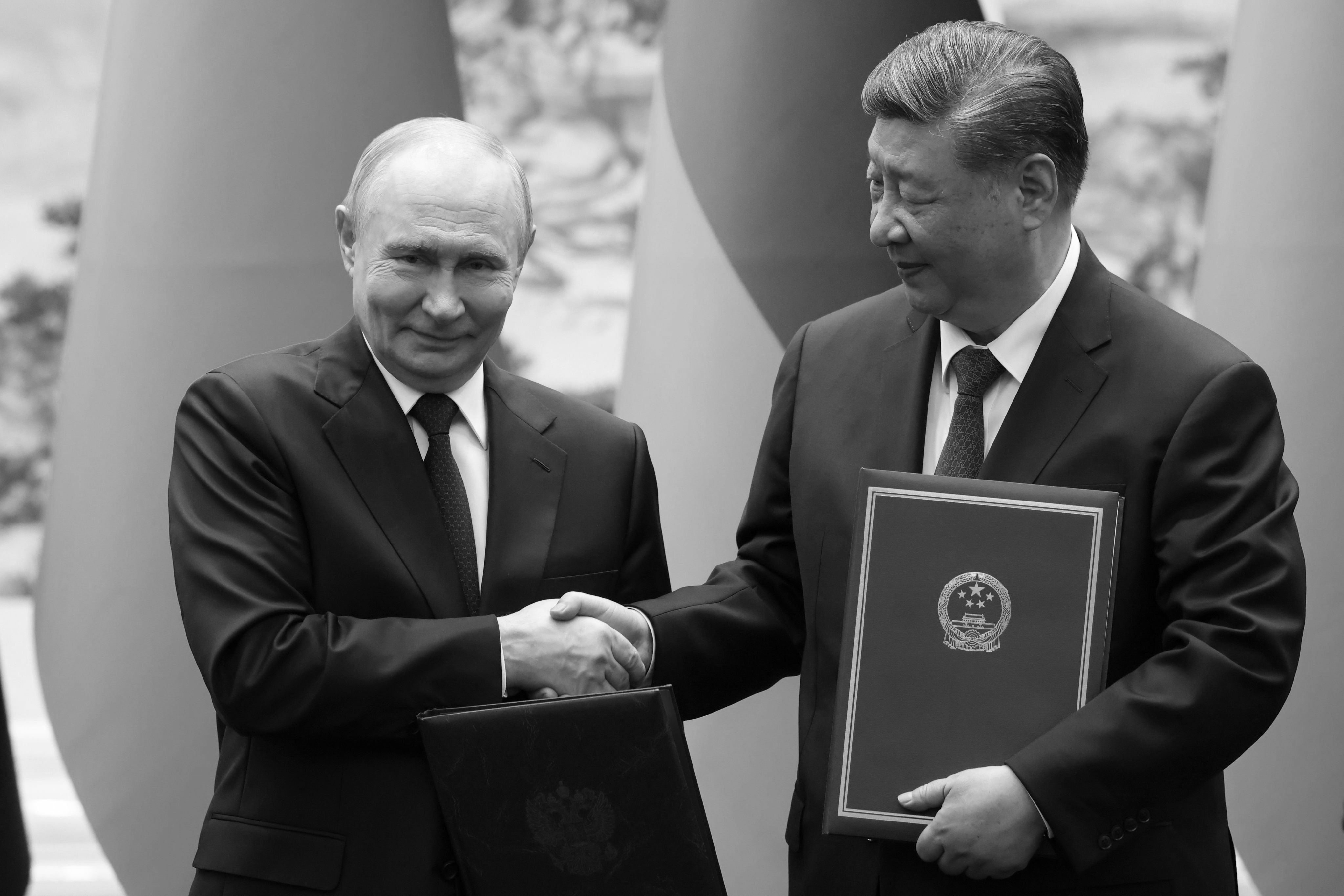
Putin greeted Xi warmly, calling him “my dear friend” as talks formally opened. The warmth was reciprocated with full ceremony. Xi declared the two countries’ ties had reached “the highest level in history ” after a signing ceremony that underlined just how much ground this partnership now covers. Putin and Xi oversaw the signing of more than 40 cooperation agreements spanning trade, technology, and media exchanges. The two sides also formally extended the Treaty of Good-Neighbourliness and Friendly Cooperation , a pact originally signed in 2001 , extended once following its expiry in February 2022 , and now extended again. A joint statement was issued pledging deeper strategic coordination and a shared vision of a multipolar world order , a pointed rebuke to what Xi called “ unilateral hegemony running rampant” across the global stage.
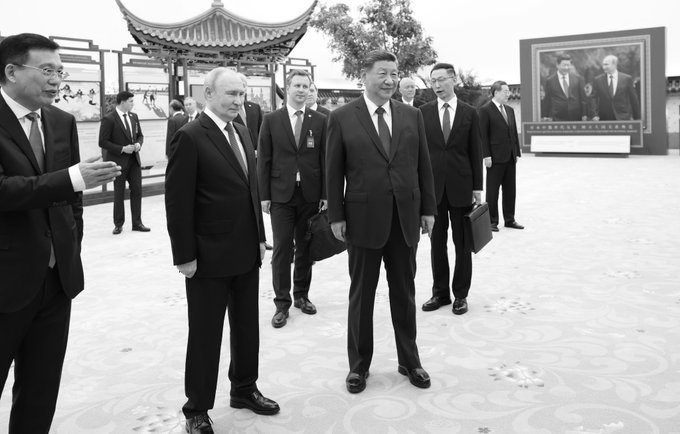
Putin met Chinese Premier Li Qiang separately at the Great Hall of the People, covering economic and trade cooperation in detail. On energy, Putin was emphatic. “The driving force behind economic cooperation is Russian-Chinese collaboration in the energy sector ,” he said, adding that amid the crisis in the Middle East , Russia continues to be a reliable supplier while China remains a responsible consumer. A Russian presidential aide confirmed that Russia’s oil exports to China grew by 35% in the first quarter of 2026 , with bilateral trade having reached around $228 billion in 2025 . Xi pledged to accelerate cooperation in new areas including artificial intelligence , the digital economy , and technological innovation, describing energy trade as a “ stabilizing pillar ” of the relationship.
The headline outcome that Moscow had hoped to announce, however, did not materialise. Talks on the Power of Siberia 2 pipeline , a proposed 1,615-mile project to supply 50 billion cubic metres of natural gas annually from Russia’s Yamal field in Siberia to China, stalled over disagreements on timetable, financing, and pricing . Beijing has long been reluctant to risk over dependence on a single supplier, and the joint statement offered only a vague commitment to continue deepening energy cooperation. Analysts noted that Russia needs the revenue far more urgently than China needs the gas.
The visit also marked the formal launch of the China-Russia Year of Education Cooperation , deepening people-to-people ties beyond the boardrooms. Meanwhile, German Chancellor Friedrich Merz said he was monitoring the visit closely and hoped Xi would urge Putin to end the war in Ukraine, a hope that analysts considered unlikely to bear fruit. Xi did call it “imperative” to end the conflict in the Middle East , though stopped well short of any ultimatum on Ukraine. For Beijing, the message of the week was simpler and louder than any single agreement: the world’s leaders come to China, and China decides what it gives each of them.