
Beijing Summit Concludes as Trump and Xi Claim Progress but Leave World's Deepest Rivalry Unresolved
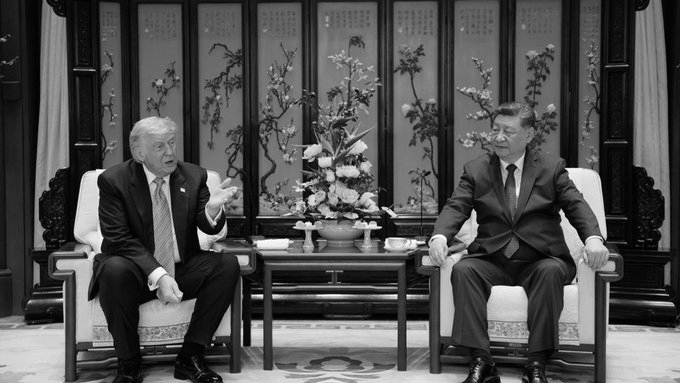
Donald Trump departed Beijing on Friday after a three-day summit with Chinese President Xi Jinping that was grand in ceremony, carefully calibrated in language, and ultimately modest in concrete results, a pattern that has come to define every modern encounter between the world’s two most consequential powers.
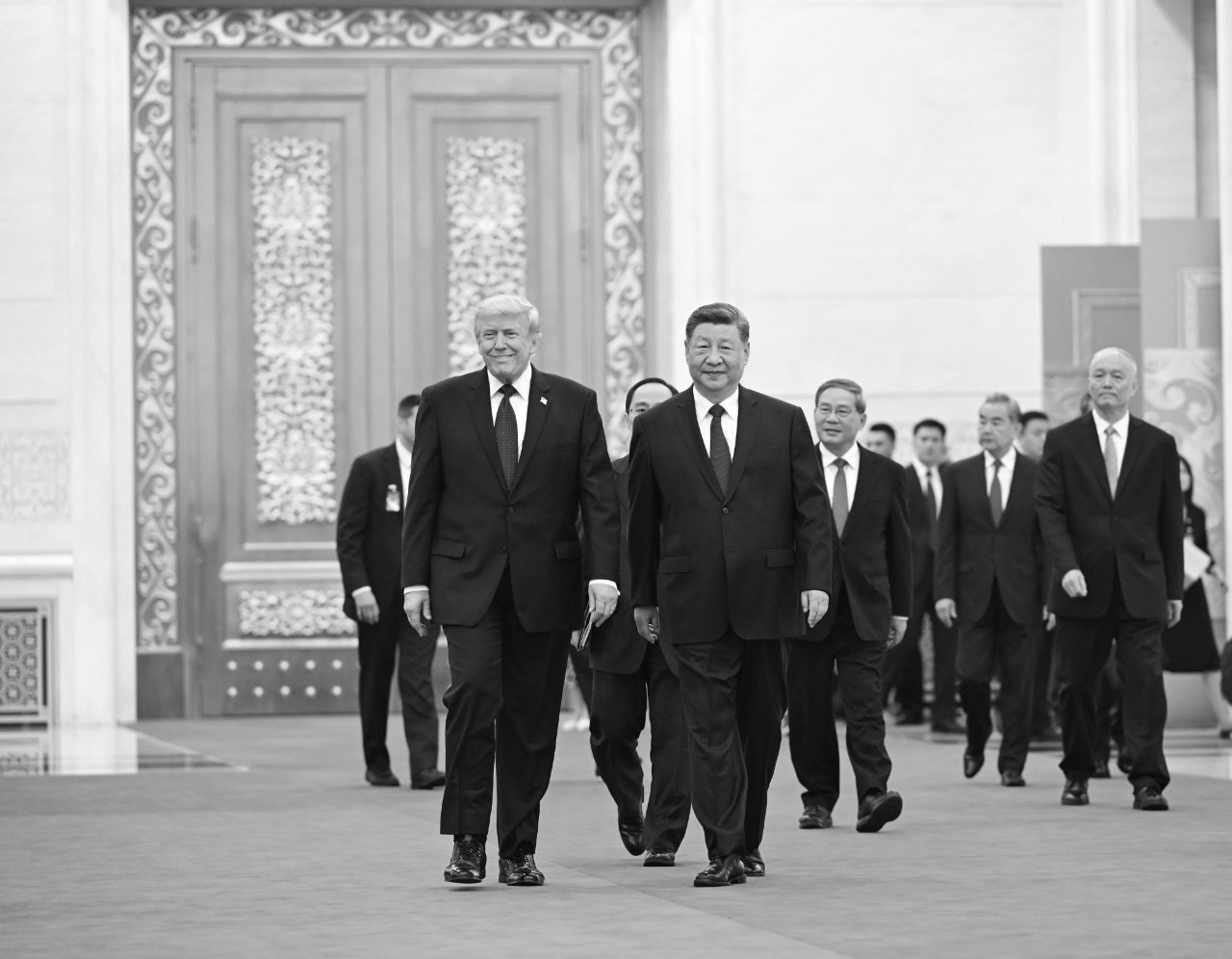
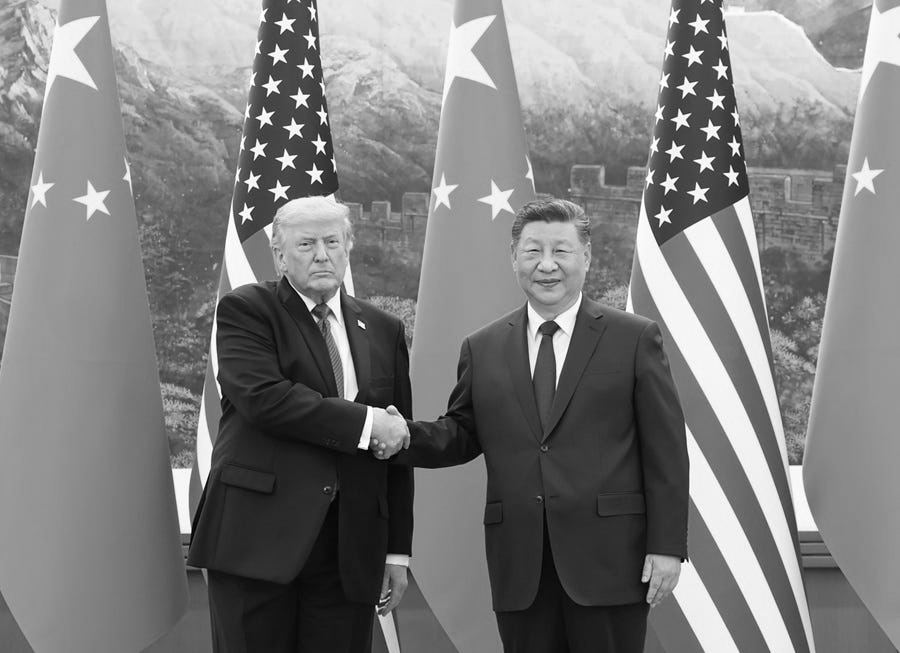
The visit, the first by a sitting American president to China in nearly a decade, opened with theatrical pageantry: military honours, flag-waving children, a 21-gun salute, and Xi personally descending the stairs of the Great Hall of the People to receive Trump, a gesture laden with diplomatic symbolism. Xi said China’s “great rejuvenation” and MAGA can “go hand in hand,” and both leaders stressed they must “never mess it up.” By the time Trump boarded Air Force One on Friday afternoon, both men were calling it a “milestone” and “fantastic.” The world, from markets in Mumbai to ministries in Brussels, had been watching every word.
Beneath the warmth, however, the fault lines were unambiguous. Taiwan dominated the talks with an intensity that brooked no softening. China’s official readout stated that Xi warned Trump that mishandling Taiwan could lead to confrontation between Washington and Beijing, while Chinese Foreign Minister Wang Yi said Beijing sensed that Trump “understands China’s position” and does not support Taiwan moving toward independence. Washington did not publicly contest that characterisation. Trump said he discussed Taiwan and US arms sales “in great detail” but added he had not yet decided on a pending $14 billion arms package , saying: “I think the last thing we need right now is a war that’s 9,500 miles away.”
The Iran conflict also hung over every session. Secretary of State Marco Rubio confirmed Trump and Xi discussed the war and the Strait of Hormuz blockade , with China opposing militarisation of the strait. Rubio clarified that the US was not asking Beijing to intervene militarily.
On technology and economics, the summit’s subtext played out through the presence of major US business leaders including Tim Cook , Elon Musk , and Jensen Huang , who met Chinese Premier Li Qiang . Huang’s inclusion highlighted the centrality of AI chip competition in US–China relations. Xi told executives that China’s door to business would “open wider,” though the practical impact remains uncertain.
Rare earths remained a quiet pressure point, with both sides seeking to extend a fragile trade truce first reached in 2025.
Trump also said he raised the case of jailed Hong Kong publisher Jimmy Lai , while Xi reportedly signalled possible consideration of releasing detained Christian pastors.
Looking ahead, China confirmed that Xi will visit the United States this autumn at Trump’s invitation, a major diplomatic milestone aimed at sustaining dialogue.
Trump called the outcomes “fantastic” and said “a lot of problems were settled,” but no major agreements were formally announced. The summit ended where it began: with managed stability but unresolved rivalry , especially over Taiwan, Iran, semiconductors, and global influence, tensions now deferred rather than resolved.