
BCs demand 42% quota, but can the impossible be won?
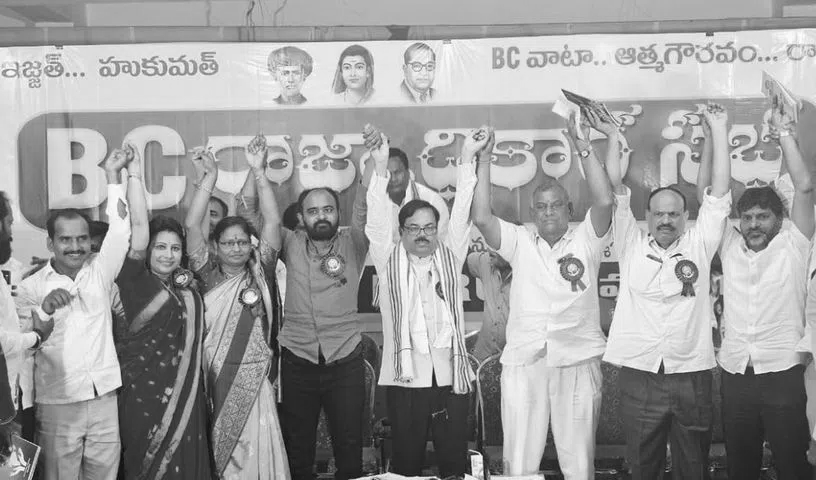
Backward Classes (BC) leaders in Telangana are once again raising their voices, demanding a 42% reservation for their community and pushing for its inclusion in the Ninth Schedule of the Constitution. At a recent BC Rajyadikara Sabha in Karimnagar, retired IAS officer Chiranjeevulu called for a strong agitation, urging leaders to take BC ideology to every household and fight against decades of systemic neglect. According to him, for the past 75 years, BCs have struggled with underrepresentation in education, jobs, and politics, and now is the time to assert their rights.
The demand is simple in theory but complex in practice. While the Constitution allows reservations, moving 42% of opportunities exclusively for BCs faces both legal and political hurdles. Currently, reservations in Telangana and most other states cover about 50% of positions, including SCs, STs, and OBCs. If BCs alone claim 42%, it could exceed the ceiling of 50%, creating a legal challenge unless the matter is constitutionally protected by placing it in the Ninth Schedule, which shields laws from judicial review.
Leaders like Sabbani Venkat argue that real change would only come when BC representatives lead political parties or become Chief Ministers, ensuring that policy decisions benefit interior and neglected areas. Until then, he says, trusting political promises alone is not enough.
Tamil Nadu’s experience provides an important example. In 1989, under the leadership of late DMK patriarch M. Karunanidhi, the state government amended laws to enhance women’s inheritance rights through the Hindu Succession Act (Tamil Nadu Amendment). Around the same time, the state also implemented substantial increases in OBC reservation, taking the total quota to nearly 50%. Importantly, these changes were later safeguarded by efforts to include key provisions in the Ninth Schedule of the Constitution, ensuring legal protection against challenges. This demonstrates that strong political leadership, combined with organized community support, can turn ambitious social and reservation demands into enforceable reality.
The challenge for Telangana’s BC leaders is n ot just legal but societal. Only about 50% of the BC population actually benefits from current quotas, leaving many still marginalized. This gap between policy and reality fuels the current demand for stronger, constitutionally protected rights.
The path forward involves careful strategy: raising awareness at the grassroots, sustained political agitation, and building public consensus. Without these, the 42% demand risks remaining aspirational. Yet, history shows that with persistent effort, systemic change is possible. For BCs in Telangana, the question isn’t just about numbers; it’s about representation, dignity, and finally securing a fair share in education, employment, and politics.