
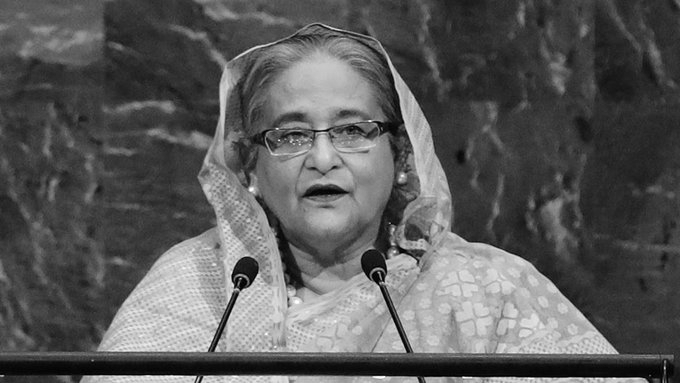
Bangladesh summons Indian diplomat amid concerns over Hasina’s interviews
The Bangladesh Foreign Ministry on Wednesday summoned Indian Deputy High Commissioner in Dhaka, Pawan Badhe, to express concern over the Indian government allegedly allowing former Prime Minister Sheikh Hasina to interact with mainstream Indian and international media, the state-run Bangladesh Sangbad Sangstha (BSS) reported.
According to the BSS report, Dhaka conveyed that providing a media platform to Hasina described by the current administration as a “notorious fugitive” facing trial for crimes against humanity was “unhelpful to fostering a constructive bilateral relationship” between the two neighbours. The ministry also urged New Delhi to discontinue Hasina’s access to Indian media, alleging that her remarks could “incite hatred and encourage acts of terrorism inside Bangladesh.”
The diplomatic move came days after Shafiqul Alam, spokesperson for the Chief Adviser of Bangladesh’s interim government, criticised journalists who interviewed Hasina, calling them “Western journalists and their Indian bootlicking counterparts.” His comments, made in a Facebook post on November 11, drew sharp criticism from the Press Club of India, which termed them “especially reprehensible” and sought an apology. The club said such remarks were “unbecoming of a person in a responsible position,” particularly as Alam himself is a former journalist.
The episode comes at a sensitive time in Bangladesh’s politics. Hasina has been living in India since August 5, 2024, after a student-led uprising ousted her government the previous month. An interim administration, headed by Nobel laureate Muhammad Yunus as Chief Adviser, has since accused her of trying to destabilise the country from abroad.
Analysts say Hasina’s continued visibility through the media could sharpen political polarisation at home, strengthening her support base while challenging the interim government’s authority. Her presence in India has also become a diplomatic flashpoint, with Dhaka viewing it as interference in domestic affairs.
Internationally, the controversy risks tarnishing Bangladesh’s image, raising questions about political stability, freedom of expression, and its increasingly uneasy ties with India. Meanwhile, India’s Ministry of External Affairs has so far declined to comment on the issue.