
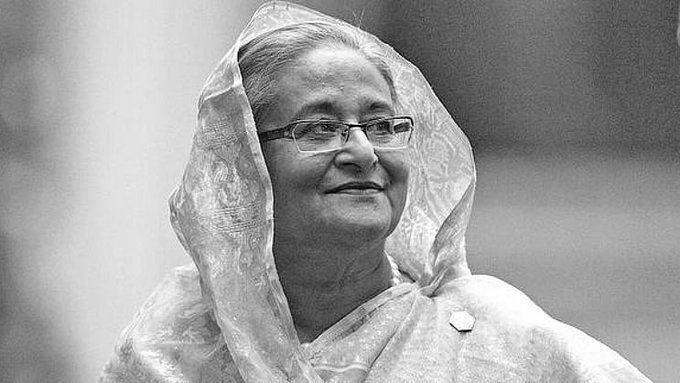
Bangladesh Rejects Sheikh Hasina’s Passport Request, Says ‘No Passports To Terrorists’
Bangladesh has rejected former prime minister Sheikh Hasina’s request for a fresh passport and National Identity (NID) card, with Foreign Affairs State Minister Humayun Kabir dismissing the move as “drama” and insisting that she must return through an extradition process rather than seek new travel documents.
Kabir said Bangladesh would not issue passports to “terrorists” or fugitive criminals and urged India to hand over Hasina under the India-Bangladesh extradition treaty. He said she could return, surrender before a court and serve her sentence if India extradited her.
“She fled the country. There is no scope now for staging a drama about returning with a new passport,” Kabir said, according to Bangladeshi newspaper Prothom Alo. He added that there was a specific legal process for her return.
The controversy follows reports that Hasina had approached the Bangladesh High Commission in New Delhi through her London-based lawyers at Matrix Chambers, seeking a fresh passport and NID card. Her lawyers argued that she remained a Bangladeshi national and requested that the documents be issued expeditiously in accordance with international human rights obligations.
However, Prothom Alo quoted government sources as saying that the authorities had not established whether the application was genuinely authorised by Hasina. The email from the law firm reportedly did not include documents or proof of authorisation. The high commission subsequently forwarded the request to Bangladesh’s Foreign Ministry.
Home Affairs Adviser Salahuddin Ahmed said the matter was being examined by the Foreign and Law ministries, including whether an application had been formally submitted, whether it met procedural requirements and whether Hasina was legally entitled to receive the documents.
Hasina's Bangladeshi passport was revoked by the interim administration in 2024.
She was ousted in August 2024 following a student-led uprising that escalated into mass protests. She fled to India after protesters stormed her residence in Dhaka.
She has remained in India since then. A Bangladeshi special tribunal subsequently sentenced her to death in absentia for crimes against humanity, holding her responsible for the deadly crackdown on protesters during July-August 2024, which killed hundreds and injured thousands.