
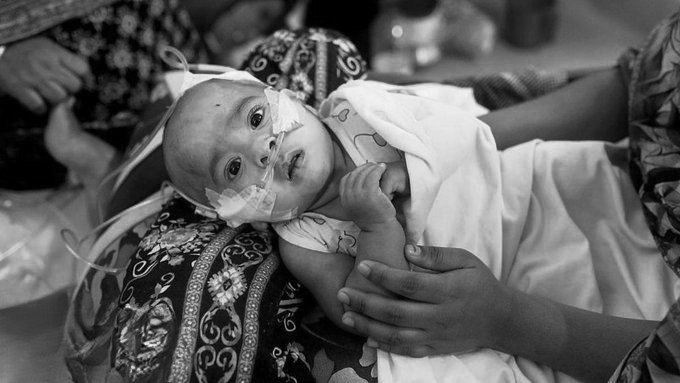
Bangladesh launches emergency measles vaccination after 100 child deaths
Bangladesh has launched an emergency measles–rubella (MR) vaccination campaign to contain a rapidly spreading outbreak that has claimed the lives of more than 100 children in a month. The campaign targets measles and rubella only , omitting mumps, as the MR vaccine is commonly used in outbreak responses and routine immunisation programmes to quickly close immunity gaps for the most urgent and fatal diseases.
The vaccination campaign, launched on Sunday in partnership with the World Health Organization, UNICEF, and Gavi the global Vaccine Alliance has begun across 18 high-risk districts, targeting children aged 6 months to 5 years. Authorities plan to expand the programme nationwide next month to address critical gaps in immunisation coverage.
According to official data, over 900 confirmed cases have emerged from more than 7,500 suspected infections reported since March 15. Health experts warn that measles, a highly contagious airborne disease , can lead to severe complications, particularly among young children.
The primary cause of deaths in the current outbreak is not just the infection itself but complications such as pneumonia , severe dehydration, and encephalitis (brain inflammation) , which occur after the virus weakens the immune system. Children who are unvaccinated, under-vaccinated, or malnourished are at the highest risk, while infants under nine months remain especially vulnerable as they are not yet eligible for routine immunisation.
Rana Flowers, UNICEF’s representative in Bangladesh, expressed concern over the surge, stating that the outbreak highlights “critical immunity gaps” , particularly among zero-dose children. She also flagged a worrying rise in infections among very young infants.
The WHO emphasises that at least 95 per cent vaccination coverage is necessary to prevent measles transmission. Although Bangladesh has significantly improved immunisation rates from just 2 per cent in 1979 to over 81 per cent by April 2025, gaps persist across regions.
Health Minister Sardar Mohammed Sakhawat Husain attributed the outbreak to past administrative failures , citing vaccine stock shortages during earlier governments, including the tenure of former Prime Minister Sheikh Hasina and the interim administration led by Muhammad Yunus. Recent political upheavals also disrupted routine immunisation efforts.
Authorities have urged parents to seek immediate medical care for children showing symptoms such as high fever and rash, stressing that timely treatment can prevent life-threatening complications and reduce fatalities.