
Bangladesh govt to support family of lynched Hindu worker, faces test of rule of law
Bangladesh’s interim government has said it will take responsibility for the family of a Hindu garment factory worker who was lynched by a mob over unverified blasphemy allegations last week, in an incident that has sparked protests, drawn concern from India and rights groups, and raised serious questions about minority protection and the rule of law.
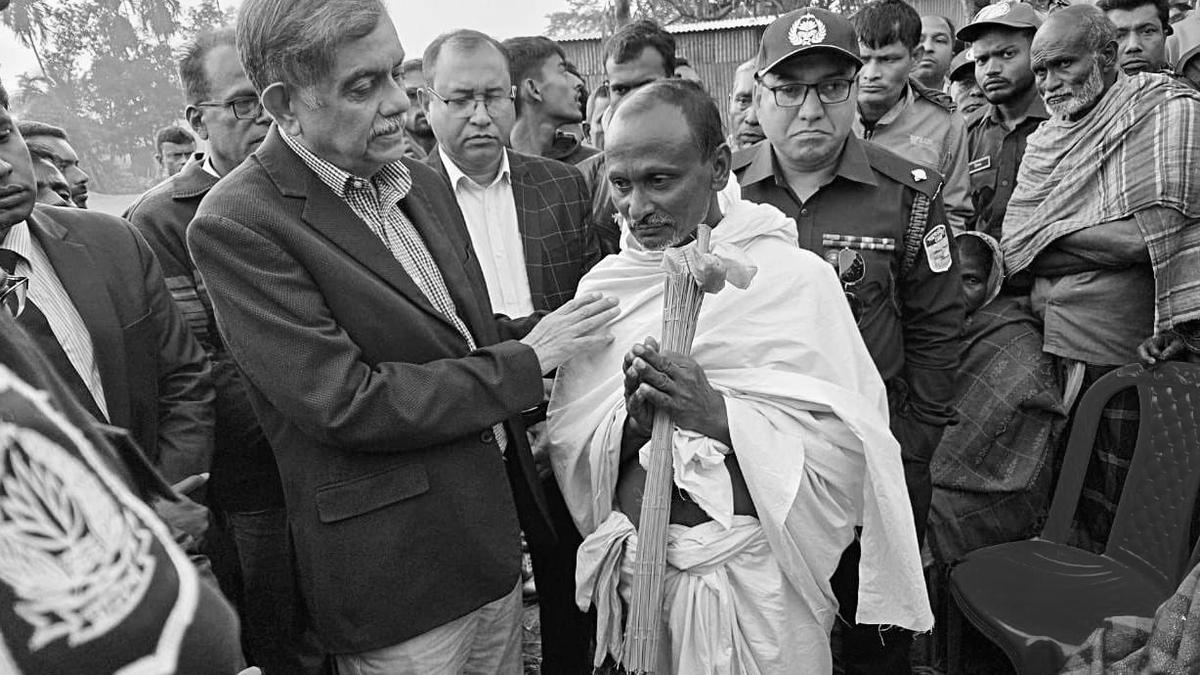
Education Adviser C R Abrar on Tuesday met the family of 25-year-old Dipu Das , who was beaten to death and his body set on fire by a mob on December 18 in Mymensingh. Calling the killing a “brutal crime with no excuse”, Abrar said the state would take care of Das’ wife, child and parents.
Ahead of the visit, Abrar said he held talks with Chief Adviser Muhammad Yunus , who asked him to convey the government’s “profound sorrow and deepest condolences” to the bereaved family. Yunus’ office later reaffirmed that financial and welfare assistance would be provided and that relevant authorities would remain in close contact with the family in the coming period.
According to media reports, Das’ father, Rabi Chandra Das, demanded justice for his son and described the family’s condition to the adviser. Authorities have arrested 12 people so far for their alleged involvement in the lynching.
In a statement, Yunus’ press wing said that “allegations, rumours or differences of belief can never excuse violence” and stressed that no individual has the right to take the law into their own hands. Reaffirming its commitment to the rule of law, the interim government said the authority to investigate alleged offences and ensure justice through due process rests solely with the state.
The killing, reportedly triggered by rumours of blasphemy against Das claims for which no evidence has been established, has intensified concerns about mob justice and the vulnerability of religious minorities in Bangladesh. The incident sparked widespread protests by factory workers, students and rights groups in Dhaka and other cities.
India also expressed concern over the lynching, with the incident adding to anxieties about the safety of minorities and communal violence in the neighbouring country. Human-rights organisations have condemned the attack, warning that unchecked vigilantism undermines due process and democratic norms.
The lynching occurred amid a renewed wave of unrest following the death of Inqilab Mancha leader Sharif Osman Hadi at a Singapore hospital, six days after he was shot by masked gunmen in Dhaka. After his death, mobs set fire to the offices of leading newspapers Daily Star and Prothom Alo, as well as cultural organisations Chhayanot and Udichi Shilpi Goshti.
Observers say the handling of the Das case will be a key test for the interim government, particularly in demonstrating zero tolerance for communal violence, ensuring accountability for mob crimes, and restoring public and international confidence in Bangladesh’s commitment to the rule of law during a sensitive political transition.