
Balochistan under fire: Zehri crackdown escalates amid rising insurgency
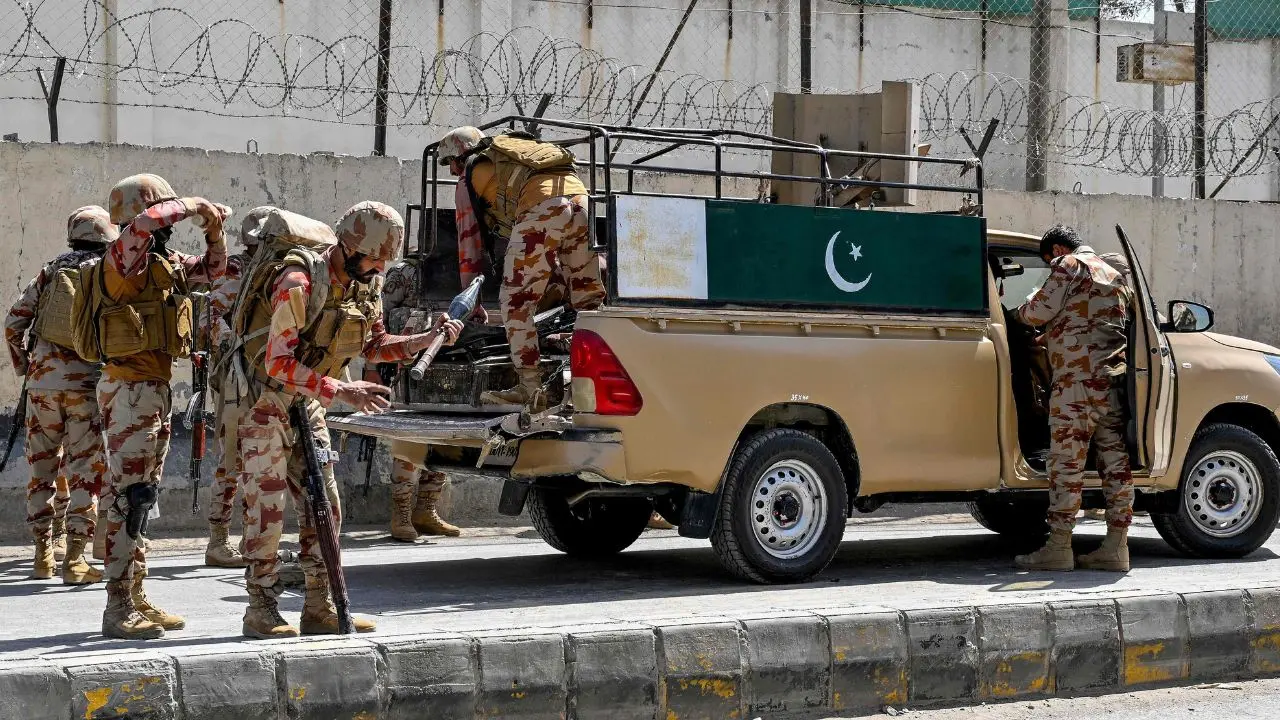
The Pakistan military has intensified operations in Zehri, Khuzdar district, over the past week amid rising unrest, leaving civilians trapped and cut off from aid. Drone strikes and relentless shelling have reportedly caused casualties, though exact numbers remain unverified due to a strict communication blackout and road closures. Humanitarian access to food, medicine, and other essential services has been severely restricted. The operation in Zehri forms part of Islamabad’s broader strategy to quell the Baloch insurgency , a decades-old conflict rooted in demands for autonomy and control over the region’s abundant natural resources, including natural gas, copper, and gold. While multiple waves of insurgency have occurred since Balochistan’s integration into Pakistan in 1948, tensions surged after the killing of tribal leader Nawab Akbar Bugti in 2006 and intensified further during the early 2000s. Armed Baloch groups accuse the Pakistani state of economic exploitation and political marginalization, and their attacks have increasingly targeted both security forces and Chinese-linked infrastructure under the China-Pakistan Economic Corridor (CPEC).Balochistan, a province in Pakistan hosts some key CPEC projects , including the Gwadar port , which is a flagship part of China-Pakistan Economic Corridor (CPEC). Other CPEC-linked infrastructure, like highways and energy projects, also pass through parts of Balochistan, that has Iran, Afghanistan, Sindh, Punjab, Arabian Sea as its borders.
Why Zehri Matters
Zehri’s strategic importance lies in its location at a central crossroads in Balochistan. The district connects major supply routes from Quetta to Gwadar and Karachi, making it crucial for both military logistics and securing CPEC-related projects. Controlling Zehri allows the military to cut off insurgent mobility in the central highlands and maintain pressure on nationalist tribal groups that have historically resisted Islamabad’s authority. Analysts suggest that with China’s investments at stake, Pakistan is determined to tighten its grip on areas like Zehri.
Recent Patterns of Violence The military crackdown comes amid a noticeable spike in insurgent activity across Balochistan. On September 30 , a bomb blast near the paramilitary headquarters in Quetta killed at least 10 civilians and injured over 30. Such attacks, often claimed by groups like the Baloch Liberation Army (BLA) or Baloch Liberation Front (BLF), have become more frequent in urban centers since late 2023, coinciding with intensified counterinsurgency operations. The militants’ targets range from military convoys to Chinese infrastructure, though civilians are frequently caught in the crossfire.
Security experts attribute the escalation in attacks to a combination of aggressive military campaigns, the strategic value of CPEC projects, and the absence of political dialogue. Insurgent groups appear determined to pressure Islamabad through high-profile urban strikes and continued resistance in remote districts like Zehri.
Humanitarian Concerns Civilians in Zehri are bearing the brunt of the crackdown. With communication cut and roads sealed, independent verification of casualties and displacement is impossible. Reports suggest that entire villages are cut off, sparking fears of food shortages and medical emergencies. International observers have repeatedly urged restraint and dialogue, but the conflict shows little sign of abating.