
Ayurveda Day Highlights Traditional Medicine’s Modern Health Ambitions
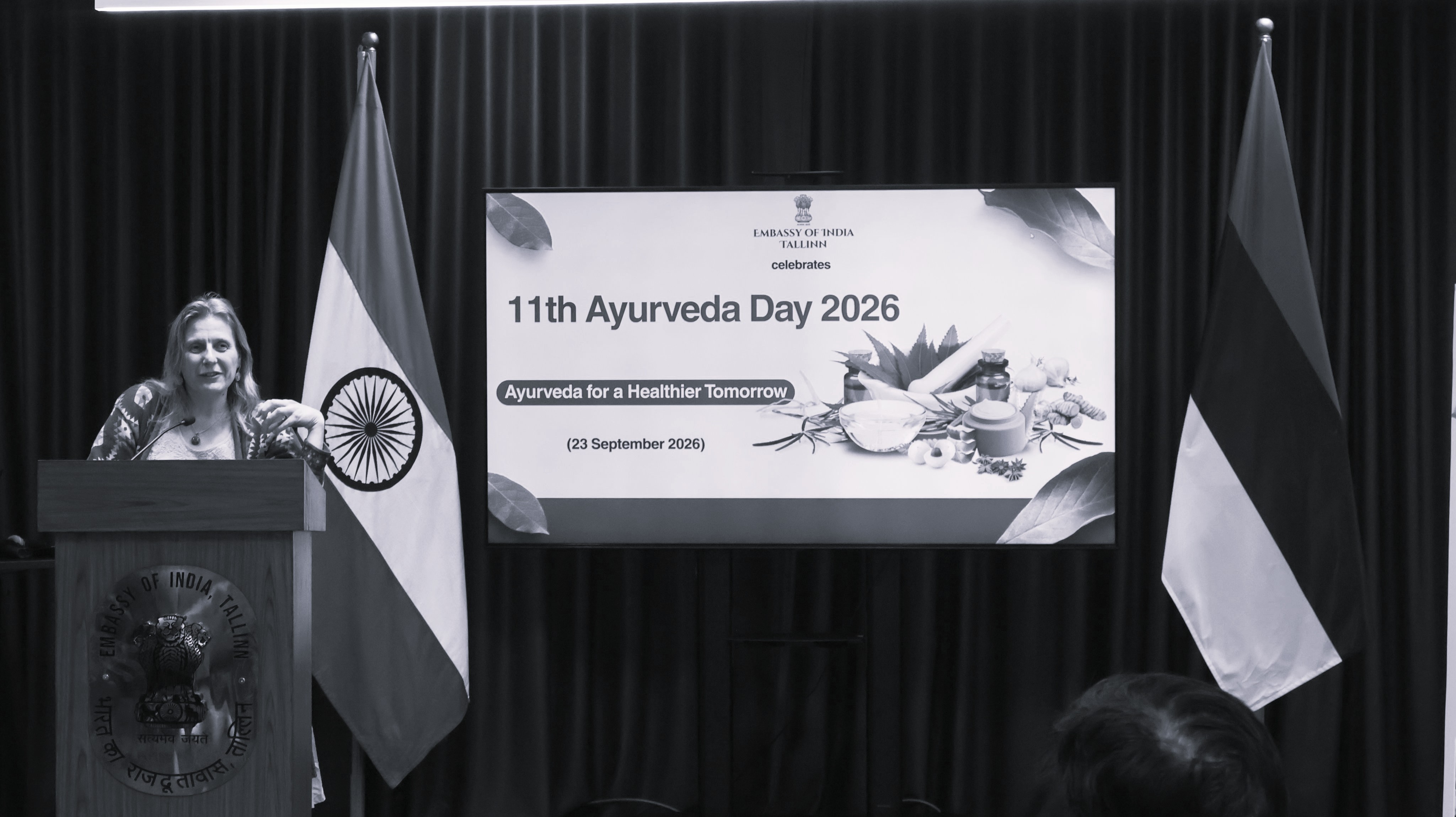
The Ministry of Ayush on Wednesday celebrated the 11th Ayurveda Day in Nagpur, with Union minister Prataprao Jadhav urging people to focus on maintaining a healthy lifestyle. Held under the theme “Ayurveda for a Healthier Tomorrow,” the national celebrations highlighted preventive healthcare, scientific research, innovation and the growing global role of traditional medicine.
The programme saw the unveiling of the Ayush Services Sector Report and Ayush Vision 2030, along with safety dossiers on medicinal plants, Standard Treatment Guidelines for skin disorders and the CCRAS–AGNI Web Portal. Scientific sessions examined Ayurveda's role in healthcare, public health, non-communicable disease prevention and the roadmap towards 2047. Prime Minister Narendra Modi, in a message read out at the event, said Ayurveda's journey from tradition towards knowledge, evidence and innovation would contribute to the health and wellbeing of future generations.
Addressing the gathering virtually, Jadhav said the first centre of health was the home and the first basis of health was lifestyle rather than medicine. Referring to Ayurveda's principle of preserving the health of healthy people while treating the sick, he said the approach had gained greater relevance amid rising lifestyle-related health concerns. He cited the WHO Global Traditional Medicine Centre in Jamnagar, ITRA Jamnagar's status as an Institute of National Importance and the inclusion of Ayurveda, Siddha and Unani in the WHO ICD-11 framework as milestones in internationalising traditional medicine.
Ayush Secretary Rajesh Kotecha stressed the need to connect traditional knowledge with scientific evidence, research, safety, quality and standardisation. The ministry highlighted more than 43,000 research publications, over 200 BIS standards and the Ayush Quality Mark. The nationwide campaign recorded more than 9,700 activities across 30 States and Union Territories, over 3.6 lakh registered participants and nearly 89.3 lakh citizen pledges, with programmes also held in 10 countries and territories.
The Ayush sector has also emerged as a significant economic segment. Kotecha said it had expanded from ₹40,000–50,000 crore about 12 years ago to ₹6.5 lakh crore, contributing around 1.5% to India's GDP and growing at nearly 17% annually. He projected that it could reach ₹20 lakh crore within five years.
The celebration comes against strong domestic usage. An NSSO survey found Ayush awareness at around 95% in rural and 96% in urban India, while 40.5% of rural and 45.5% of urban residents reported using Ayurveda for prevention or treatment. The WHO's Global Traditional Medicine Strategy 2025–2034 similarly emphasises evidence, safety, regulation and appropriate integration, reinforcing India's push to position Ayurveda as a credible component of future preventive healthcare.