
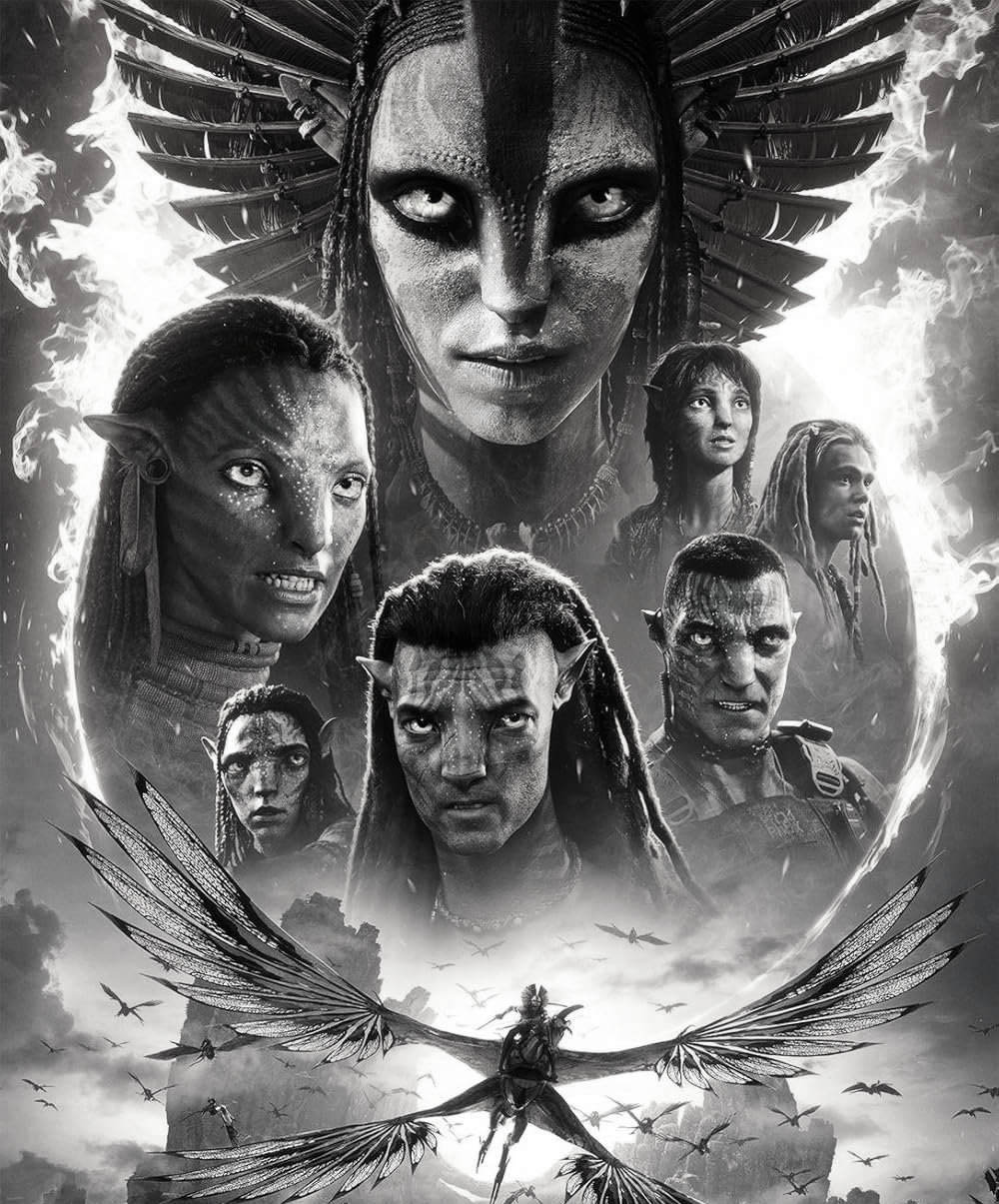
Avatar Fire and Ash review: Ash Tribes, CGI marvels and Pandora’s fiery future
James Cameron has once again demonstrated why he is one of the greatest visionary filmmakers of our time. Avatar: Fire and Ash , the third chapter in the groundbreaking Avatar franchise, delivers a cinematic experience that feels from the future , blending technological mastery, immersive storytelling, emotional depth, and breathtaking visuals into a singular spectacle. This film is the culmination of a decade-and-a-half-long journey that began with Avatar (2009) , which introduced the lush, bioluminescent world of Pandora and revolutionized cinema with its 3D technology and visual grandeur. Its sequel, Avatar: The Way of Water (2022) , expanded the world’s oceans, deepened family dynamics, and explored themes of loyalty, survival, and environmental stewardship. Now, Fire and Ash pushes Pandora further into uncharted territory: the planet’s volcanic regions .
The volcanic landscapes of Pandora are a revelation. Molten rivers, ash-choked skies, and fiery terrain create a dangerous yet mesmerizing backdrop, contrasting beautifully with the forests and oceans seen in the first two films. Cameron’s scope, scale, and design are unrivaled, and the attention to environmental and cultural detail makes these regions feel alive. Against this backdrop, the film introduces the fierce Ash People , a formidable new Na’vi clan led by the complex and imposing Varrang . Their rituals, culture, and combat prowess bring tension, narrative depth, and excitement, expanding the world in ways both visually and dramatically compelling.
At a runtime of 3 hours and 15 minutes , Fire and Ash is the longest of the first three Avatar films , yet it never feels indulgent. Every minute is purposeful, allowing both story and world-building to breathe fully. Cameron’s script is marvelous , exploring grief, resilience, moral dilemmas, family bonds, and cultural identity. The dialogues are sharp, meaningful, and emotionally resonant, reflecting the struggles, beliefs, and connections of characters both old and new. Themes of faith, community, and belonging permeate the narrative, making the Na’vi clans feel spiritually and emotionally alive, not just visually stunning.
The action sequences are nothing short of exhilarating. From breathtaking aerial battles above molten rivers to intense ground skirmishes in ash-filled forests, every sequence pulses with energy, scale, and realism. The Ash Tribe’s introduction adds a layer of unpredictability and tension, while familiar conflicts between humans and Na’vi continue to drive the narrative forward. These sequences, combined with intimate emotional beats and the powerful performances of returning and new characters, make the film fully immersive.
Cameron’s CGI is simply marvelous, seamlessly integrating creatures, volcanic terrain, and the signature jellyfish boats . These vessels glide through Pandora’s skies and waters with fluid, lifelike motion, their bioluminescent glow adding beauty and wonder to every scene. Every visual effect - from molten eruptions to ash storms and floating embers, serves the story and enhances immersion, rather than just existing as spectacle.
The characters shine as much as the visuals. Neytiri grapples with grief and vengeance in ways that are raw and relatable, while Jake Sully continues to navigate his role as leader and protector of Pandora. Their family, including Spider and Kiri, anchors the narrative emotionally. Spider’s transformation - gaining the ability to breathe Pandora’s air thanks to Kiri’s spiritual connection - introduces fascinating stakes for both human and Na’vi forces. The Ash Tribe leader, Varrang , is complex and compelling, his presence both menacing and narratively crucial, while Quaritch’s survival and ambiguous fate in the finale leave open dramatic possibilities for future installments.
By the end of Fire and Ash , Pandora sees a climactic struggle that unites Na’vi clans against human invaders and tests every character’s loyalty and courage. Jake rallies the tribes, leading to both victory and sacrifice. Quaritch’s fall into a fiery chasm and Varrang’s escape create unresolved threads, setting the stage for potential sequels while giving the current story emotional closure. The finale balances thrilling action with heartfelt resolution , making it one of the most satisfying conclusions in the franchise so far.
James Cameron has spoken candidly about the stakes of this chapter. While confident in the film’s impact, he has stated he is prepared to walk away from the franchise if Fire and Ash does not perform at the level needed to sustain Avatar 4 and Avatar 5 . This rare admission underscores Cameron’s deep personal investment in Pandora and the decade-spanning narrative he has been crafting. It also signals that this film could serve as a culmination of the first three chapters, even as threads remain to explore in future installments.
Avatar: Fire and Ash is not just a sequel; it is a masterclass in cinematic world-building, storytelling, and technical brilliance . From the immersive volcanic landscapes and brilliant CGI to the sharp dialogues, compelling characters, thrilling action, and rich exploration of culture, faith, and community, the film delivers a fully realized Pandora. The inclusion of the Ash Tribe, the complex moral arcs, and the intertwining personal and societal stakes elevate the narrative into epic territory. For fans of the first two films, it expands the universe in breathtaking ways, and for newcomers, it serves as a monumental introduction to Cameron’s visionary world.