
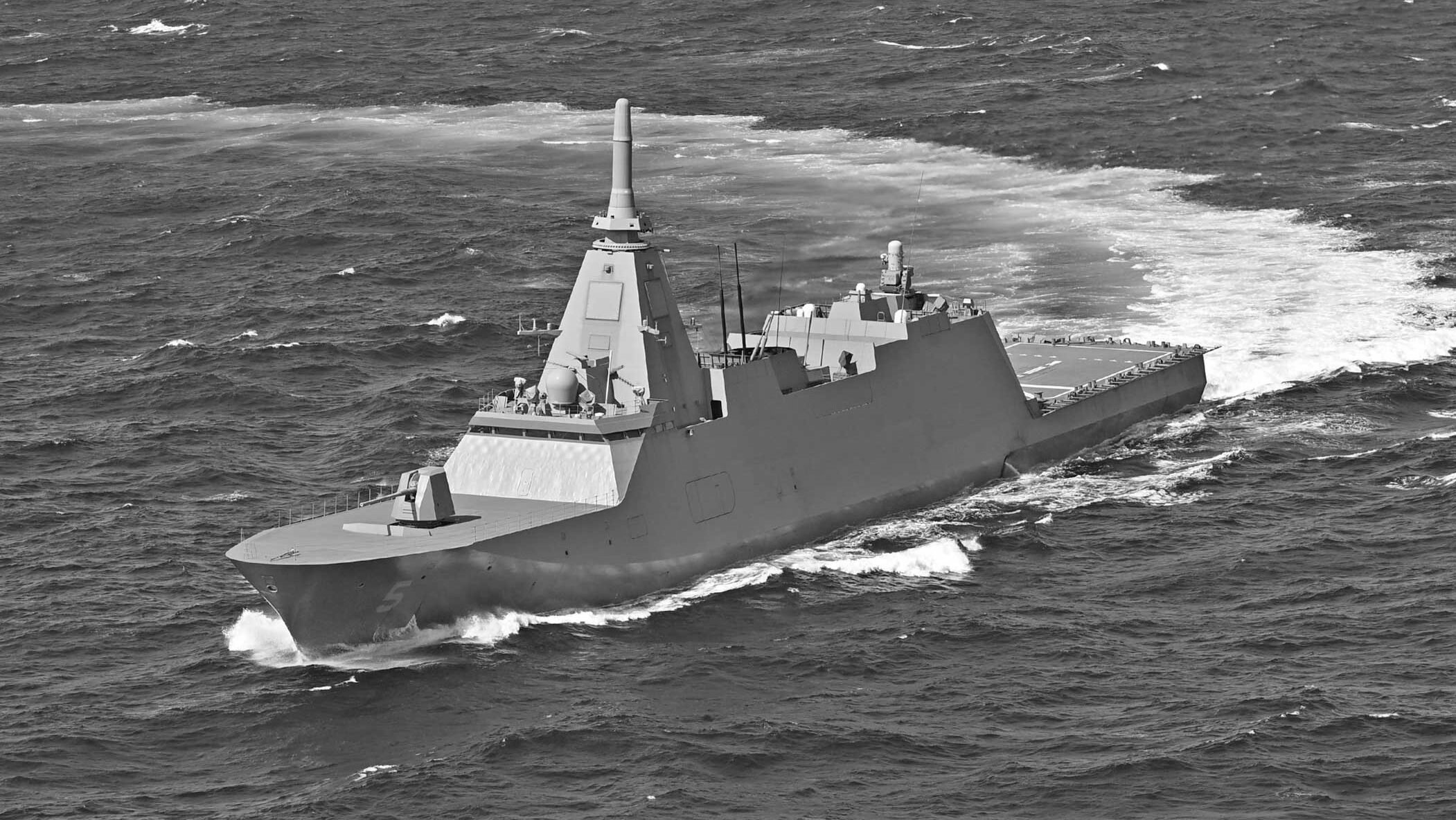
Australia-Japan $6.5B warship deal: Fast-track fleet, bigger Indo-Pacific strategy
In a major step that reflects shifting security priorities in the Indo-Pacific, Australia and Japan have signed a USD 6.5 billion defence agreement to build a new fleet of advanced warships. More than just a defence purchase, this deal highlights how countries in the region are strengthening partnerships to respond to emerging maritime challenges .
The agreement centres on the construction of Mogami-class frigates , a new generation of stealth-focused, multi-role warships designed for modern naval warfare. Developed by Mitsubishi Heavy Industries, these ships are built with reduced radar visibility , advanced sensors, and automation that allows them to operate with a much smaller crew. They are capable of handling a wide range of missions, from anti-submarine warfare and air defence to surface combat, making them highly versatile in today’s complex threat environment. As part of the deal, the first three vessels will be built in Japan, while Australia will construct the remaining ships in Western Australia.
These frigates will replace Australia’s ageing ANZAC-class warships , which have been in service since the 1990s. While reliable for decades, the ANZAC-class ships were designed for an earlier era and are now considered increasingly vulnerable against modern missile systems, cyber threats, and drone warfare . Their larger crew requirements and older technology also make them less efficient compared to newer designs like the Mogami-class.
What makes the Mogami-class significant is its balance of efficiency and firepower . The ships require nearly half the crew of older frigates, yet are equipped with surface-to-air and anti-ship missiles , along with the ability to operate combat helicopters. This makes them both cost-effective and adaptable for fast-changing combat scenarios.
The timeline underlines the urgency behind the project. The first warship is expected by 2029 , making it the fastest naval acquisition program in Australia’s history. The initial vessels will be built in Japan, followed by phased construction in Australia with technology transfer.
For India, the implications are indirect but important. A stronger Australia–Japan partnership adds to the Indo-Pacific’s security architecture , helping maintain a balance of power and ensuring safe sea lanes for trade . It also opens doors for deeper defence cooperation with Japan, which is emerging as a key global partner.
Ultimately, this deal goes beyond ships. It reflects a broader shift towards strategic alignment, rapid military modernisation, and trusted partnerships in a rapidly evolving region.