
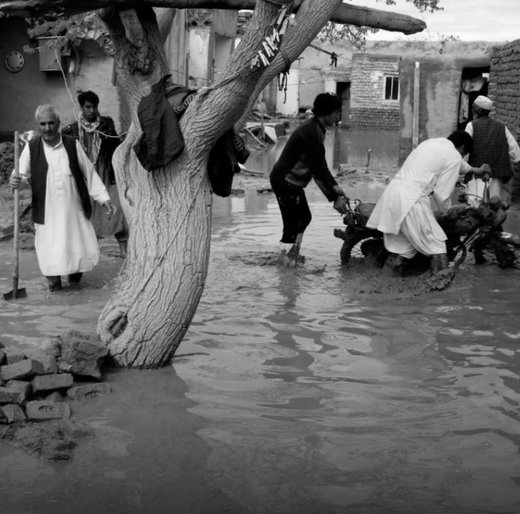
At least 17 dead, dozens injured in floods and landslides across Afghanistan
At least 17 people have died and 26 others have been injured in a surge of extreme weather across Afghanistan, as climate change–linked to heavy rainfall , floods, a landslide and severe thunderstorms battered much of the country over the past 24 hours, authorities reported Sunday. The National Disaster Management Authority said the casualties could rise as rescue and assessment teams reach isolated areas still cut off by severe damage.
The storms struck 13 of Afghanistan’s 34 provinces , particularly in the western, central and northwestern regions, destroying or damaging 147 homes , washing out around 80 kilometres of roads and devastating agricultural land and critical irrigation infrastructure that local farming communities depend on for their livelihoods. This latest disaster comes amid a pattern of worsening weather events across the country this year, with earlier heavy snowfall and flash floods already causing significant casualties and destruction in several provinces.
Climate scientists and humanitarian agencies say such extreme rainfall and storm events in Afghanistan are becoming more frequent and severe due to rising temperatures and altered weather patterns linked to global climate change , which increases atmospheric moisture and the likelihood of heavy downpours that trigger floods and landslides. Afghanistan’s average temperature has risen significantly in recent decades, contributing to accelerated glacier melt in the Hindu Kush mountains and more volatile hydrological cycles.
The humanitarian impact extends beyond loss of life. In early January, flash floods triggered by heavy rain and sudden snowmelt killed at least 17 people and destroyed thousands of homes in provinces including Herat, Badghis and Faryab, displacing families and disrupting daily life for tens of thousands. Aid groups and the United Nations have repeatedly warned that over 500,000 Afghans were displaced by climate disasters in 2024, with many more at risk due to limited access to early warning systems, poor emergency services and fragile rural infrastructure.
Decades of conflict, widespread deforestation and underinvestment in disaster preparedness have left many communities acutely vulnerable, especially in remote regions where many homes are made of mud and unable to withstand sudden flooding or heavy storms. These structural weaknesses, combined with climate volatility, have turned what might once have been localized weather events into devastating humanitarian crises affecting livelihoods, food security and access to essential services across Afghanistan.