
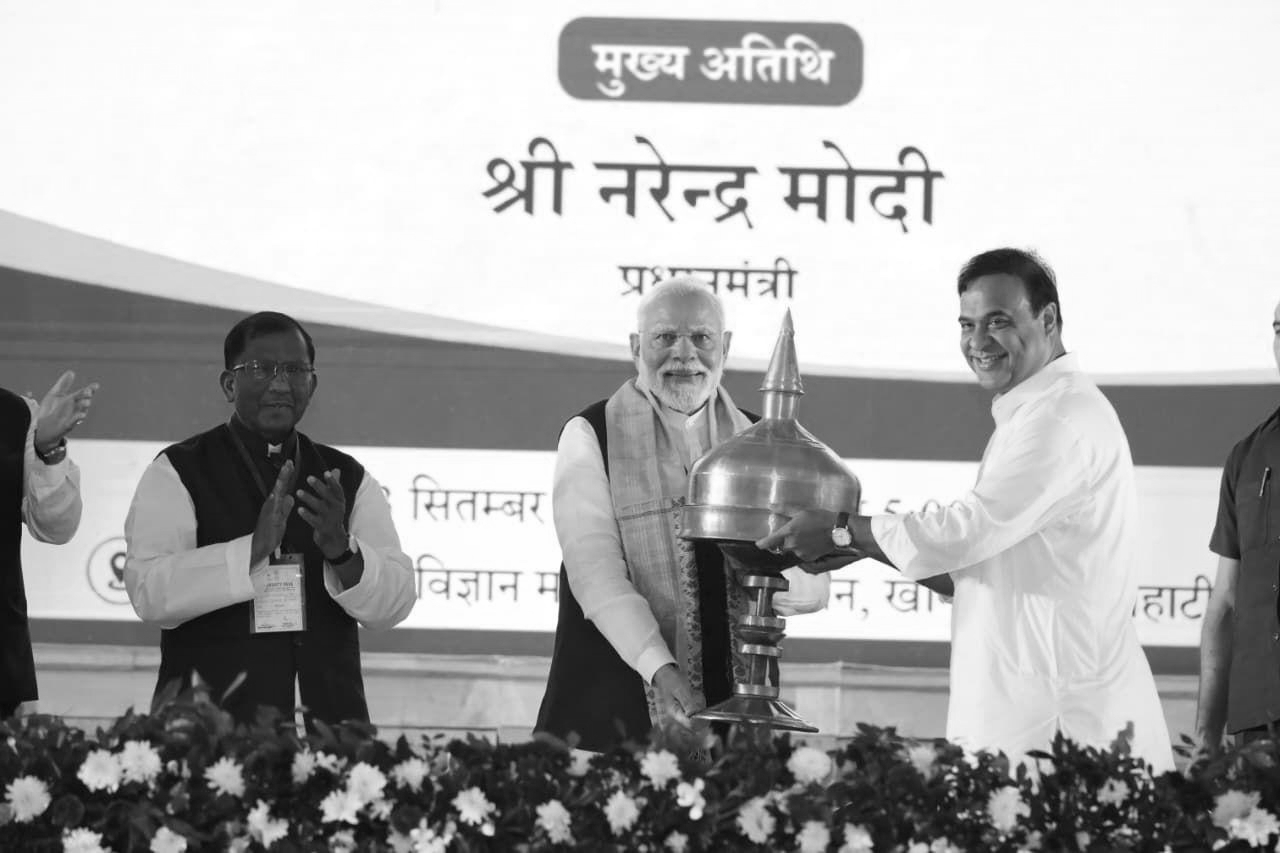
Assam’s ₹18,500 cr power play
Assam is taking a giant leap in India’s development story, backed by projects worth over ₹18,500 crore unveiled by Prime Minister Narendra Modi. The focus is clear: energy, industry, infrastructure, and self-reliance. Central to this push is the world’s first bamboo-based 2G bio-ethanol plant in Golaghat, built at a cost of ₹5,000 crore. This state-of-the-art facility will generate 25 MW of green energy annually and source bamboo directly from local farmers, offering them stable income while supporting clean energy goals. It’s a rare combination of environmental sustainability and economic empowerment.
Another major project is a ₹7,230 crore polypropylene (PP) plant, aimed at boosting India’s self-reliance in producing a material widely used in automobiles, textiles, and industry. Once operational, it could reduce India’s PP imports by 20%, save around ₹700 crore in foreign exchange each year, and create roughly 75,000 new jobs in Assam. Alongside these industrial giants, the PM announced infrastructure and social development projects, including the Guwahati Ring Road, Narengi-Kuruwa Bridge, and Darrang Medical and Nursing Colleges, together forming a package of around ₹6,300 crore. These projects are designed to improve connectivity, healthcare, and education across the state.
Chief Minister Himanta Biswa Sarma framed these initiatives as a step towards making Assam a pillar of a self-reliant India. He emphasized that the projects benefit farmers, youth, and industries alike, aligning local economic growth with national ambitions. However, Assam’s development narrative is intertwined with political strategy. Modi’s visit included sharp criticism of the Congress party for alleged failure to safeguard Assam’s interests, particularly over security and demographic issues, highlighting the political dimension ahead of the 2026 assembly elections.
Beyond politics, the projects carry economic and strategic significance. Assam’s bamboo-based bio-ethanol plant positions the state as a hub for renewable energy, while the PP plant strengthens India’s industrial supply chains. Infrastructure projects like the Guwahati Ring Road and Narengi-uruwa Bridge will improve mobility and trade, catalyzing further growth. Water management, local employment, and skill development will be key to ensuring these plans translate into real benefits.
Analysts suggest Assam is at a crossroads. If implemented efficiently, these projects could transform the state from a peripheral economy into a central engine of India’s industrial and energy growth. But execution challenges,from bureaucratic delays to environmental concerns,will test the “double-engine government” promise. Assam’s ability to merge industry, agriculture, energy, and infrastructure into a cohesive development model will determine whether the ₹18,500 crore plan is a headline or a historical pivot.