
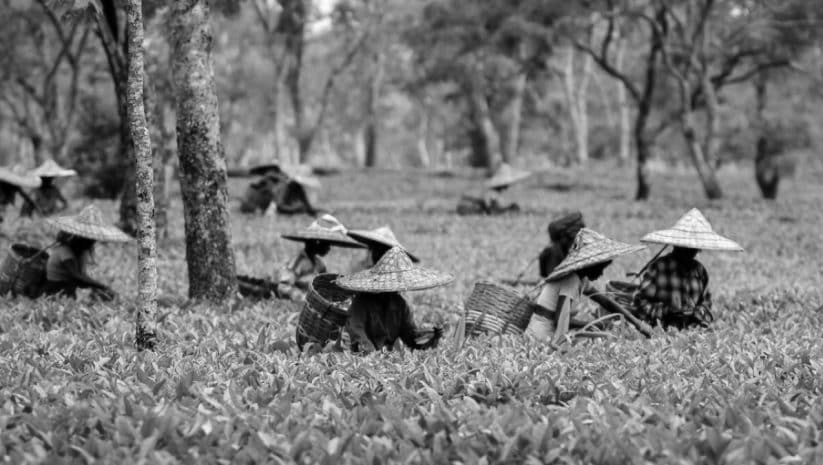

Assam Tea Estate Turns to Tourism Amid Climate and Price Pressures
Amid falling tea prices, climate-related disruptions and changing beverage preferences among younger consumers, Assam-based Amchong Tea Estate is attempting to reposition tea from an everyday commodity into a cultural and experiential product through immersive tourism initiatives.
The estate has launched “Amchong Leaf”, which it describes as India’s first dedicated tea experience centre, offering visitors guided plantation walks, factory tours, tea-tasting sessions, blending workshops and interactions with workers involved in the manufacturing process. Located on the outskirts of Guwahati, the initiative aims to familiarise consumers with the journey of tea from leaf to cup.
The move comes at a time when India’s tea industry is under growing pressure from declining auction prices, rising input costs and erratic weather conditions. According to industry data, average tea auction prices in Assam declined by nearly 9 per cent in 2025 even as production costs continued to rise. Industry bodies have warned that shrinking margins are making operations increasingly difficult for organised tea estates.
Climate change has added to the sector’s challenges. Heatwaves, irregular rainfall, floods and prolonged dry spells have affected tea yields across Assam, India’s largest tea-producing region. Tea industry associations and researchers have flagged that rising temperatures and unpredictable weather patterns are impacting both crop quality and output, with some districts reporting double-digit production losses during peak growing periods.
Against this backdrop, tea estates are increasingly exploring tourism and direct consumer engagement as alternative revenue streams. Amchong Tea Director Ananya Khemka said the objective of the experience centre was not merely immediate commercial returns, but creating a deeper appreciation for tea among consumers.
“We wanted people to experience tea at the source and understand the craftsmanship behind it rather than view it only as a packaged daily beverage,” Khemka said.
Spread across around 1,782 acres and operational since 1958, the Khemka family-run estate produces over one million kilograms of tea annually. Since 2016, it has diversified from conventional CTC teas into orthodox whole-leaf and speciality teas, reflecting a broader shift within the industry towards premium products and wellness-oriented blends.
Industry observers say the initiative mirrors successful global tea tourism models in countries such as Sri Lanka and Japan. Sri Lanka’s Ceylon tea trails and Japan’s matcha tourism experiences have transformed tea-growing regions into lifestyle and cultural destinations, combining plantation visits, tea ceremonies, wellness experiences and premium hospitality offerings.
These models have helped position tea not merely as a beverage, but as a premium cultural product associated with heritage, craftsmanship and wellness. Analysts believe Indian tea estates are now attempting to adopt similar strategies to strengthen domestic appreciation for speciality teas and attract younger consumers increasingly drawn towards café culture and premium coffee experiences.
Khemka said newer tea formats such as matcha and bubble tea have already shown globally that tea can evolve beyond traditional consumption patterns while retaining its cultural roots. According to him, younger visitors who experience tea cultivation and manufacturing firsthand often develop a stronger emotional connection with the beverage.
The experience centre allows visitors to observe different stages of tea production, including plucking, withering, rolling and tasting. Guests can also participate in curated blending sessions and take guided vehicle rides across the estate.
The estate’s restaurant, Steep House, serves tea-infused dishes and beverages prepared using ingredients sourced from its kitchen garden. The project has also been designed to generate diversified revenue through hospitality, tourism, speciality retail products and experiential activities rather than depending entirely on tea auctions.
Architect Yashaswini Apte, known for projects such as Mumbai Airport Terminal 2 and Jio World Centre, designed the facility using bamboo screens, woven partitions and exposed brick elements inspired by Assam’s landscape.
While the estate has not disclosed specific visitor footfall targets or projected earnings from tourism, industry analysts believe such initiatives are increasingly being viewed as long-term investments in brand building and consumer awareness.
However, experts caution that attracting younger consumers to tea culture remains a major challenge. In India, tea is still largely perceived as an inexpensive daily necessity rather than an artisanal or premium lifestyle product. Competing beverage categories, especially premium coffee chains and international café formats, continue to dominate urban youth preferences.
Industry insiders say experiential tourism alone may not resolve the structural problems affecting tea plantations, including labour costs, climate vulnerability and pricing pressures. Nevertheless, they believe such projects could play an important role in creating long-term demand by building stronger consumer engagement and encouraging appreciation for the diversity, craftsmanship and origin of Indian teas.