
Aspirants’ SC petition forces UPSC to release prelims answer keys like NEET/JEE
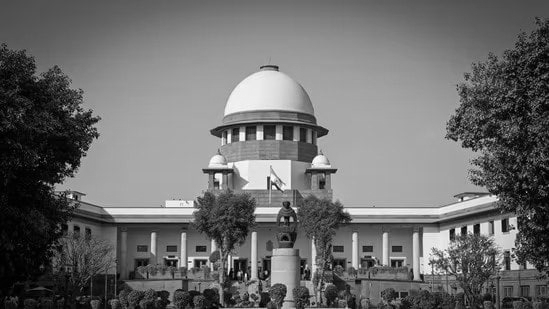
The Supreme Court has approved a major reform in India’s Civil Services examination process, directing the Union Public Service Commission (UPSC) to release provisional answer keys immediately after the Preliminary Examination. The move allows candidates to raise objections before the results are finalised and brings UPSC in line with practices already existing in exams like NEET and JEE.
The decision comes following legal petitions filed by civil services aspirants Vidushi Pandey and Himanshu Kumar, who challenged UPSC’s long-standing policy of withholding answer keys, cut-off marks, and individual scores until the entire recruitment cycle, including interviews, was completed. The petitioners argued that the delayed disclosure deprived candidates of a fair opportunity to evaluate their performance and learn from mistakes.
A bench of Justices PS Narasimha and AS Chandurkar, while disposing of the petitions, noted that the Commission’s revised affidavit represented a “conscious and well-considered decision” taken after thorough deliberation. The Court observed that the new system addresses aspirants’ grievances while reinforcing fairness, accountability, and transparency in UPSC’s functioning.
Reacting to the ruling, Vidushi Pandey described the verdict as a “historic victory for millions of civil service aspirants” across India. She said that early access to provisional answer keys would enable candidates to raise objections, ensure fairness, and restore confidence in the examination process. “This change also allows aspirants to analyse mistakes and prepare better for future attempts,” Pandey added.
Prior to this reform, candidates had to wait several months for final results, with no access to marks or cut-offs after the Prelims. Despite repeated recommendations from Parliamentary Committees and the Central Administrative Tribunal (CAT) to improve transparency, UPSC had resisted early disclosure, citing concerns over confidentiality, administrative workload, and maintaining the integrity of the exam process.
During the Supreme Court proceedings, Senior Advocate Jaideep Gupta was appointed as amicus curiae to assist the Court in evaluating the issues. The Court found UPSC’s revised policy to be a balanced and reasonable solution, reconciling candidates’ rights to transparency with administrative concerns.
Under the new system, aspirants will gain immediate access to provisional answer keys and can formally submit objections. The process, already in place for NEET and JEE, is expected to reduce anxiety, improve transparency, and allow candidates to verify their performance in real time. UPSC will review all objections before finalising results, ensuring accuracy while maintaining exam integrity.
This Supreme Court-approved reform is expected to benefit lakhs of candidates taking the Civil Services Examination annually. It also sets a precedent for transparency in competitive examinations in India, strengthening accountability and fairness in public recruitment.