
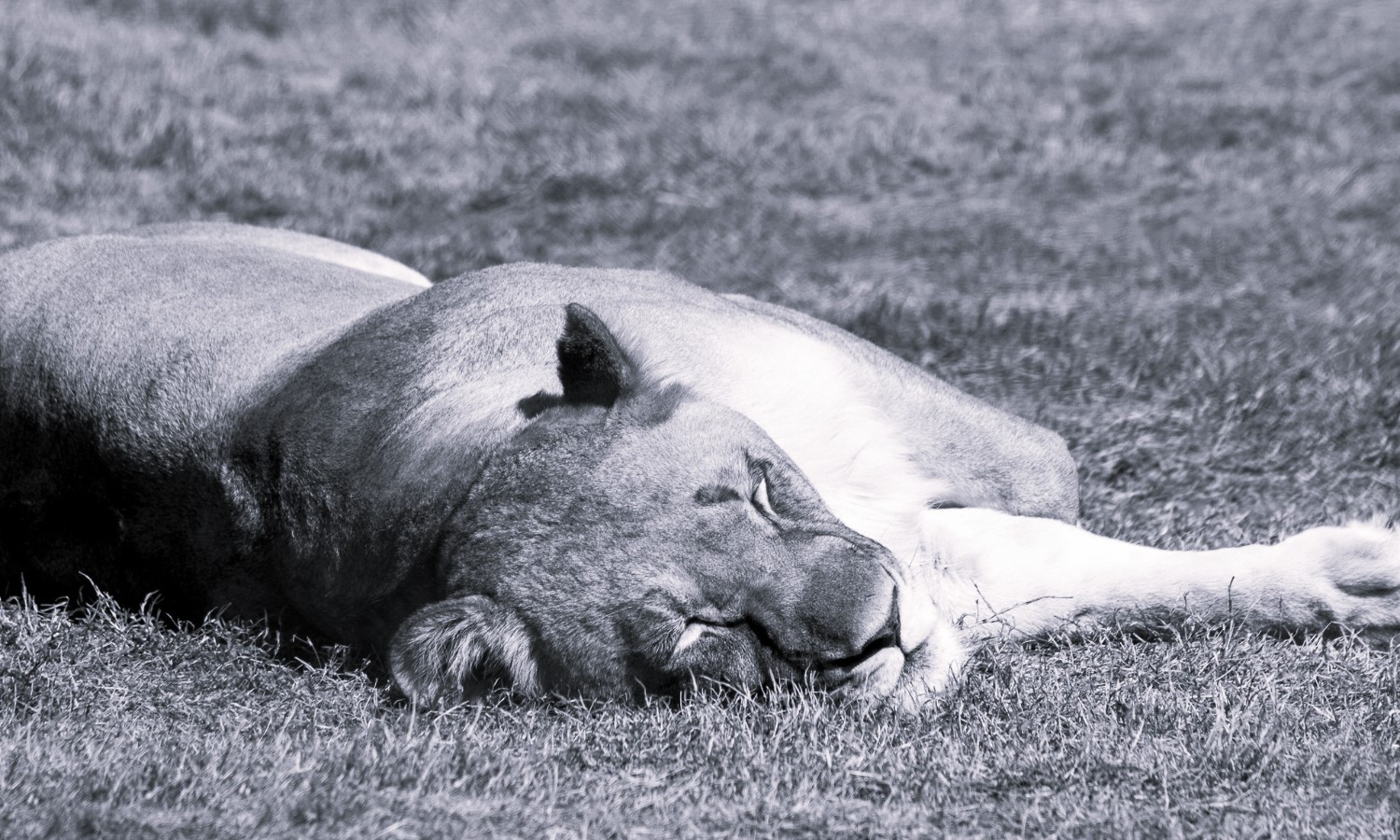
Asiatic Lion ‘Leo’ Dies in Visakhapatnam Zoo After Rare Dual Infection Battle
The usually vibrant enclosures of the Indira Gandhi Zoological Park in Visakhapatnam turned somber this week, as caretakers mourned the loss of Leo, a seven-year-old Asiatic lion , whose short stay in the city ended in an unexpected tragedy. What was meant to be a step forward in conservation quietly became a reminder of how vulnerable even the strongest predators can be.
Leo had arrived from the Assam State Zoo under a carefully planned animal exchange programme , a system designed to strengthen genetic diversity among captive wildlife populations. As per standard protocol, he was placed in quarantine , away from public view, where veterinarians began routine monitoring. But instead of gradually adapting to his new surroundings, Leo showed troubling signs almost immediately.
What initially appeared to be mild distress soon revealed a far more serious condition. By March 19 , medical evaluations confirmed that Leo was battling two simultaneous infections trypanosomiasis , a parasitic disease known to weaken vital systems, and ehrlichiosis , a dangerous tick-borne bacterial infection. The rare combination placed immense strain on his body, pushing his immune defenses to the brink.
Despite round-the-clock veterinary care and continuous monitoring, Leo’s condition worsened rapidly. Over the following days, his health declined in ways that even experienced wildlife doctors found difficult to reverse. Eventually, the infections triggered multiple organ failure , and by Monday morning, the young lion succumbed.
For the zoo staff, Leo’s death was more than a routine loss. Asiatic lions are among the most endangered big cats in the world , with their entire wild population largely confined to a single region in India. While their numbers have gradually increased in recent years, experts warn that this concentration makes them especially vulnerable to disease outbreaks and environmental risks .
Zoos, therefore, play a critical role in conservation not just as places of display, but as centers for scientific breeding, species management, and genetic preservation . Animal exchange programmes like the one that brought Leo to Visakhapatnam are part of a broader effort to create a secure future for the species. Yet, such movements also come with risks, including transport stress and exposure to new pathogens , which can prove fatal in rare cases.
Leo’s story reflects this delicate balance. His arrival symbolized hope for strengthening captive populations, but his sudden illness exposed the hidden challenges of wildlife management. It also underscores the need for stronger biosecurity measures, early disease detection, and advanced veterinary preparedness in zoological parks.
As caretakers bid farewell to Leo, his absence leaves behind more than an empty enclosure. It leaves a question for conservationists how to protect a species that has survived extinction once, but continues to face invisible threats.
In the end, Leo was not just another animal in captivity. He was part of a fragile conservation journey , where every life carries immense significance, and every loss echoes far beyond the walls of a zoo.