
Asian Games Accommodation Crisis: Sports Ministry Turns To Indian Diaspora In Japan
India has turned to its diaspora in Japan for help as an accommodation crisis threatens to complicate arrangements for its athletes at the Asian Games, which begin in Nagoya on Saturday.
The Sports Ministry has reached out to the Indian community in the city and asked families to remain on standby in case organisers are unable to resolve the shortage of rooms during the continental showpiece.
The move follows complaints from several athletes, including Indians, over delays in receiving their designated accommodation. The Nagoya Games do not have a traditional athletes’ village, with participants being housed in a mix of container-style facilities, a docked cruise ship and hotels as organisers seek to reduce costs.
India’s Chef-de-Mission Sahdev Yadav said around 35 Indian athletes had already been shifted to hotels after failing to get their allotted accommodation from the organisers.
With more Indian athletes expected to arrive according to their competition schedules, the ministry is preparing for the possibility that the shortage could worsen.
A senior Sports Ministry official said the Indian Embassy had contacted around 2,000 Indian families in Nagoya, with many offering assistance. However, the ministry’s first preference remains placing athletes in hotels.
“The first priority would be to accommodate the athletes in good hotels, but if there is still a requirement for more rooms, there is the Indian diaspora to fall back on,” the official said.
The Indian badminton contingent has already been moved to hotels because of delays in receiving accommodation. The ministry said members of the diaspora were also helping athletes at the airport and guiding them to the welcome area.
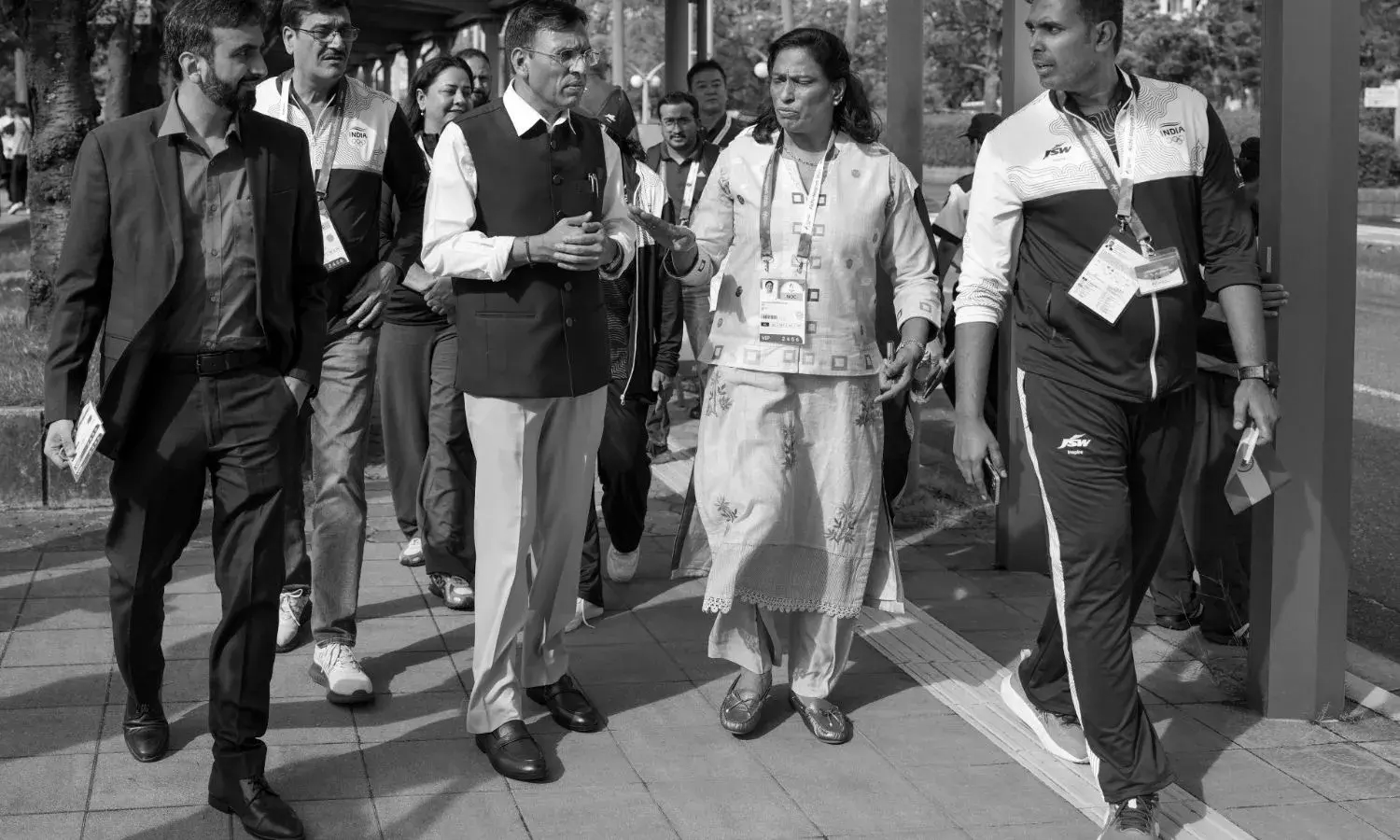
Sports Minister Mansukh Mandaviya reached Nagoya and briefly attended a flag-hoisting ceremony on Friday, which was delayed by more than an hour due to what officials described as “miscommunication” between the Olympic Council of Asia and the local organising committee.
The accommodation arrangements have also faced criticism from other participating nations, including South Korea. The Olympic Council of Asia has rejected the criticism and said attempts were being made to exploit the issue on social media and politicise the Games.
Nearly 11,000 athletes are expected to compete in 43 sports until October 4.