
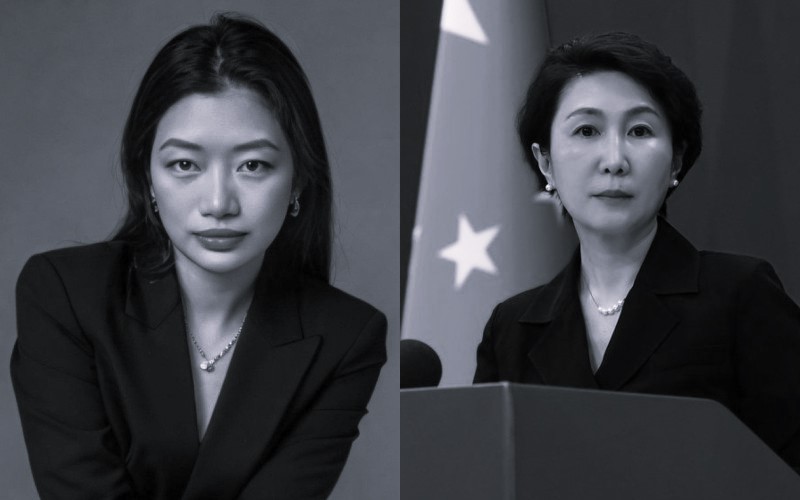
Arunachal Woman alleges detention at Shanghai airport, China denies
Chinese authorities on Tuesday rejected allegations that immigration officials at Shanghai Pudong Airport detained and harassed a UK-based Indian national from Arunachal Pradesh during a transit stop, even as India lodged a strong diplomatic protest over the incident. The episode has reignited sensitivities around Beijing’s long-standing territorial claim over Arunachal Pradesh and raised questions about aviation and transit safeguards for travellers from disputed regions.
According to reports, Pema Wangjom Thongdok, an Indian citizen residing in the United Kingdom, was travelling from London to Japan on November 21 with a scheduled three-hour layover in Shanghai. She stated in social-media posts and interviews that immigration officers at the airport pointed to the “birthplace” field in her Indian passport, which lists “Arunachal Pradesh,” and told her that “Arunachal is part of China.” They then allegedly declared her passport invalid and kept her in custody for about 18 hours before she was allowed to continue her journey. Thongdok described the experience as deeply distressing and said she received help only after contacting the Indian Consulate in Shanghai.
Responding to India’s protest, Chinese foreign ministry spokesperson Mao Ning denied that the woman was detained or harassed, asserting that border officers merely “completed verification procedures strictly in line with laws and regulations.” Mao said the traveller’s legal rights were “fully protected” and that she was provided food and rest facilities during the checks. Reiterating Beijing’s position, Mao referred to Arunachal Pradesh using the Chinese name for the territory and characterised the officers’ actions as part of routine border management.
India’s Ministry of External Affairs (MEA), meanwhile, lodged a formal demarche in Beijing and publicly condemned the incident. It reaffirmed that Arunachal Pradesh is an integral and inalienable part of India and that its residents are fully entitled to Indian passports and international travel. The MEA said that the Indian Consulate in Shanghai had intervened to assist the traveller in boarding a subsequent flight. Arunachal Pradesh Chief Minister Pema Khandu called the alleged treatment “appalling” and demanded accountability from Chinese authorities, while opposition leaders and several media outlets urged the central government to ensure stronger protection for Indian citizens abroad.
The sequence of events began on November 21, when Thongdok’s transit through Shanghai led to the dispute over her passport. Her account gained prominence between November 24 and 25 after circulating on social media and through an ANI interview, prompting Indian officials to step in. By November 26, both India and China had issued their respective statements, India registering a formal protest and China issuing a categorical denial.
The legal and diplomatic dimensions of the case are significant. China does not recognise Arunachal Pradesh as Indian territory and claims large parts of the state under different nomenclature, a stance that has long complicated bilateral relations. Incidents that touch on this dispute, particularly those involving identification or travel documents, often carry symbolic weight and can trigger wider diplomatic tensions. International aviation norms oblige states to treat transit passengers humanely and respect valid travel documents; any prolonged detention in a transit zone raises questions about procedural safeguards and consular access. India’s decision to issue a demarche indicates its view that the matter goes beyond an isolated administrative issue.
While India has demanded a full explanation and assurances that such incidents will not recur, China has defended its immigration procedures and reiterated its position on the territorial claim. Analysts suggest that the episode could temporarily heighten bilateral friction amid ongoing efforts by both sides to manage the border dispute through diplomatic dialogue.
The incident may also prompt airlines and consular officials to review transit protocols for passengers hailing from disputed or sensitive regions, seeking clearer guarantees of fair treatment at international airports. However, several questions remain unanswered chiefly the precise legal basis on which Shanghai immigration officers challenged the Indian passport, whether an internal review will be conducted, and if either side will release further details. Independent verification of the events inside Shanghai Pudong Airport is still limited in public reporting.