
Artemis II astronauts capture stunning photos of Earth with iPhone 17 Pro Max
NASA’s Artemis II mission, the first crewed trip around the moon since 1972, is nearing its lunar far‑side flyby on Monday, April 6, 2026 , as astronauts continue to break distance records, capture stunning images of Earth and the moon, and describe the lunar view in their own words. The mission will test spacecraft systems and lay groundwork for future moon landings under NASA’s Artemis program.
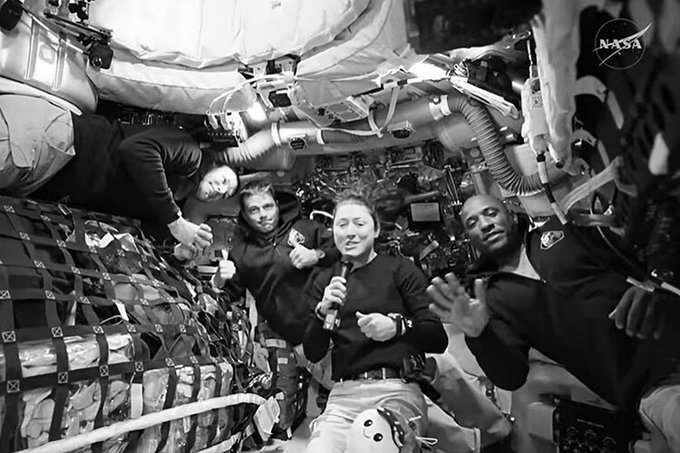
The four‑member crew, Commander Reid Wiseman , Pilot Victor Glover , Mission Specialist Christina Koch , and Jeremy Hansen of the Canadian Space Agency, launched on April 1 from NASA’s Kennedy Space Center aboard the Space Launch System and Orion spacecraft, named Integrity . They are on an approximately 10‑day free‑return trajectory around the moon before returning for a Pacific Ocean splashdown on April 10 . Artemis II is expected to travel more than 252,700 miles from Earth , surpassing Apollo 13’s record for human distance from the planet.
As they approach the lunar far side, the crew will spend roughly seven hours photographing and observing features that humans have rarely seen directly , including ancient lava flows, impact craters and the Orientale Basin. The flyby window runs from about 2:45 p.m. to 9:40 p.m. EDT on April 6 (12:15 a.m. to 7:10 a.m. IST on April 7) , and Orion will come within about 4,066 miles of the lunar surface , allowing the astronauts to see the moon from a distinctive and unfamiliar vantage point.
In interviews from space, astronauts shared their reactions to the view. Koch said of the lunar far side, “ Not the moon that I’m used to seeing ,” noting that the darker areas “just aren’t quite in the right place,” an observation that highlights how different the far side appears from the familiar near side seen from Earth.
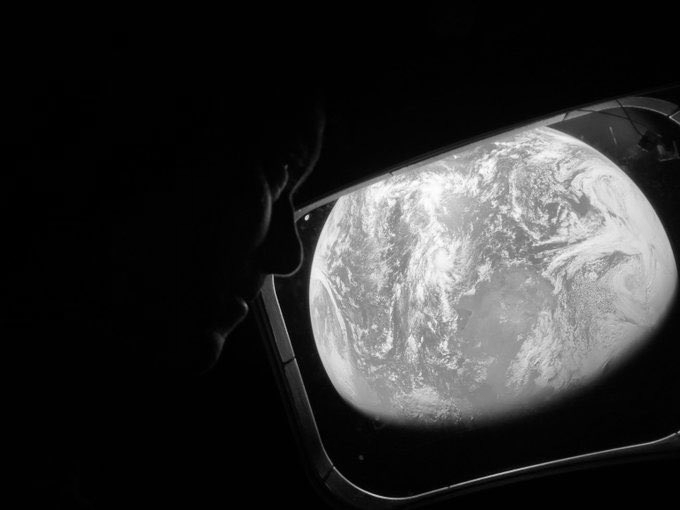
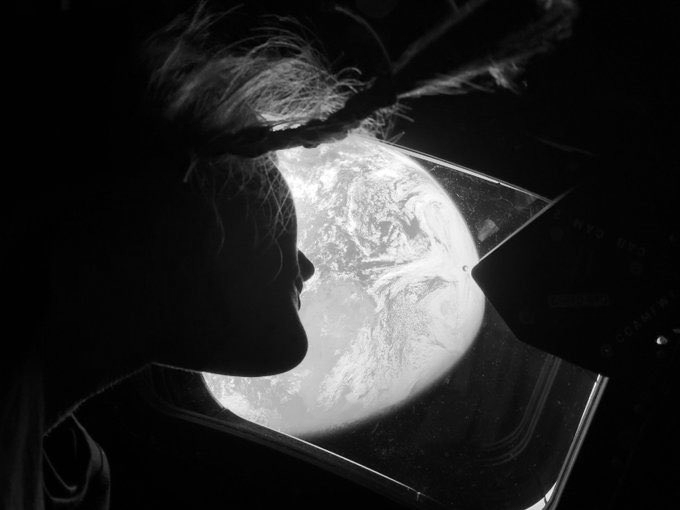
The mission’s cameras include NASA‑grade imaging systems , handheld devices and iPhone 17 Pro Max smartphones that were cleared for flight after rigorous safety testing. According to NASA technical reviews, each astronaut has an iPhone 17 Pro Max aboard, intended solely for capturing high‑quality photos and videos of the mission , though they lack internet or Bluetooth connectivity in space. NASA and its partners verified that they can operate safely in deep‑space conditions, including radiation and vibration extremes.
Astronaut Reid Wiseman’s Earth photo from Orion has already drawn attention, with some users incorporating the image into personal devices like an iPhone wallpaper, a sign of the mission’s public impact and the breathtaking views it is providing.
The Artemis II flight has not been without challenges. The Orion capsule’s advanced toilet system has experienced ongoing issues believed to be caused by ice blocking a vent line, forcing the crew to revert to backup urine collection bags and limiting the toilet to “faecal use only.” NASA officials say the toilet remains functional for solid waste and that the crew is managing the situation with training and backups.
As well as photography, the crew is carrying out deep‑space operational tests and scientific observations , practicing manual piloting and documenting the effects of long‑duration deep‑space travel on the human body, information vital for future missions to the lunar surface and beyond.