
Armenia Hosts Historic EU Summit Amid Strategic Shift From Russia
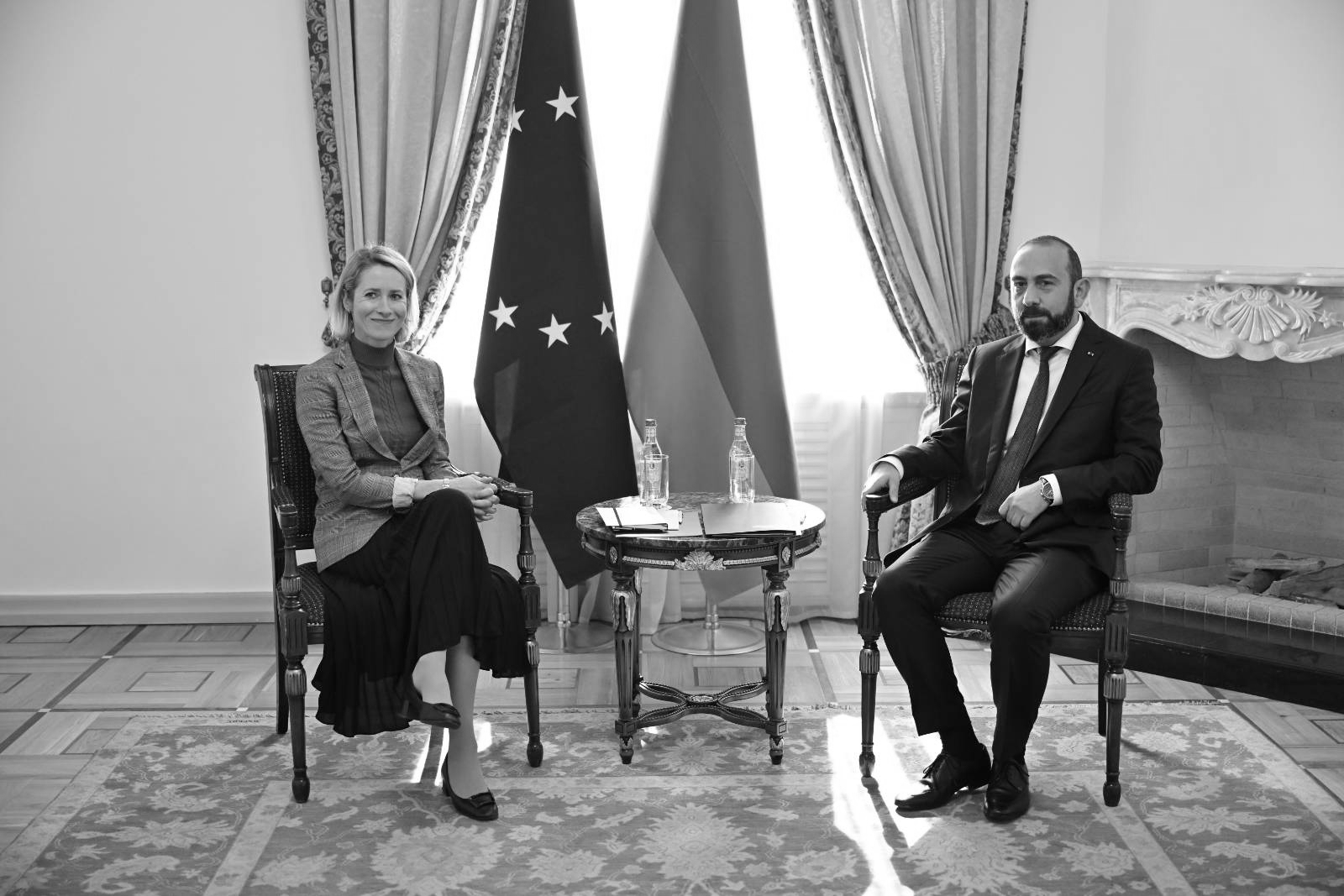
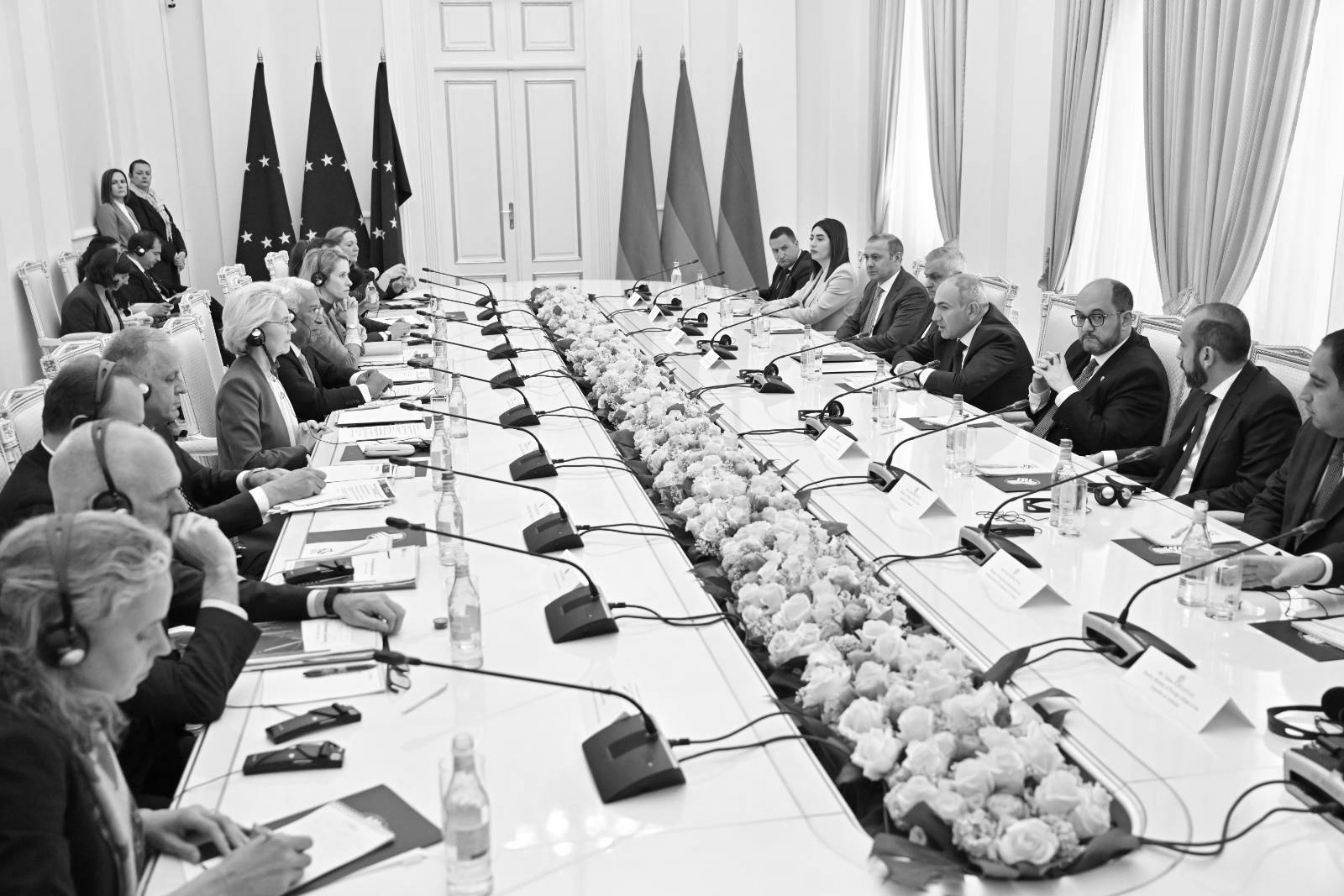
Armenia on Tuesday hosted its first-ever bilateral summit with the European Union , marking a major diplomatic milestone as the Caucasus nation steadily moves closer to Europe while loosening its long-standing dependence on Russia .
The summit in Yerevan followed the eighth meeting of the European Political Community (EPC) , which brought dozens of European leaders to the Armenian capital to discuss European security, regional stability, and geopolitical tensions , including the US-Israeli conflict involving Iran.
The EU-Armenia engagement highlights a clear strategic shift. Relations between Armenia and Moscow have deteriorated sharply since 2023, after neighbouring Azerbaijan fully reclaimed the Karabakh region. Armenian authorities accused Russian peacekeepers of failing to prevent the offensive, while Moscow rejected the charges, citing mandate limitations amid its Ukraine war.
Since then, Prime Minister Nikol Pashinyan has pursued a more Western-aligned foreign policy, including closer engagement with the EU and key institutional changes such as joining the International Criminal Court (ICC) and freezing participation in the Collective Security Treaty Organization (CSTO) .
At the summit, Ursula von der Leyen said the EU is ready to support Armenia in becoming a regional trade and connectivity hub , pledging investment in energy infrastructure, digital transformation, and cross-Black Sea links. EU Council President António Costa praised Armenia’s “courageous political decisions” and said the direction of travel is unmistakable .
However, Armenia continues to remain part of the Russia-led Eurasian Economic Union , creating a delicate balancing act. Russian President Vladimir Putin has warned that Armenia cannot fully integrate with both the EU and EEU simultaneously, especially given its reliance on discounted Russian energy supplies.
Despite the growing Western tilt, analysts note the summit is more symbolic than accession-focused , reinforcing the existing Comprehensive and Enhanced Partnership Agreement between Armenia and the EU.
Experts also caution that Armenia is not pursuing a simple replacement of Russia with the West. Instead, it is adopting a multi-vector foreign policy , expanding ties with Asia, including Japan, South Korea, and China.
The summit also comes amid heightened EU-Azerbaijan tensions. Azerbaijani President Ilham Aliyev accused European institutions of double standards, while protests outside the summit venue highlighted concerns over Armenian prisoners held in Azerbaijan.
Overall, the event underscores Armenia’s gradual but significant reorientation , balancing Western integration ambitions with regional geopolitical realities.