
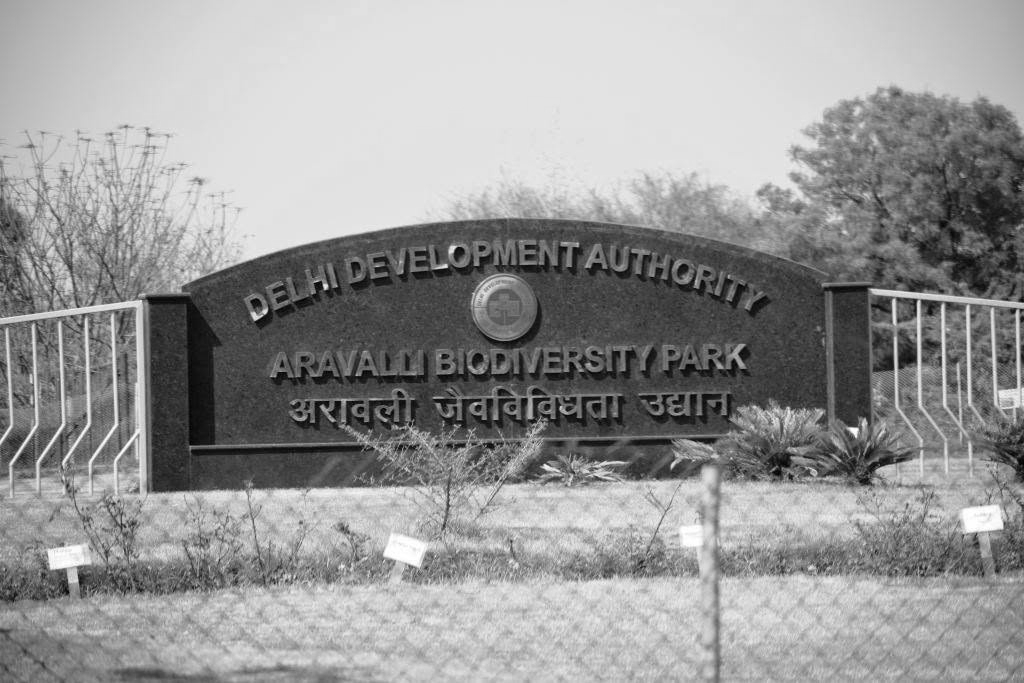
Aravalli Biodiversity Park Helps Delhi Retain 3 Million Litres Of Rainwater, Cuts Flood Risk: Study
A recent study has found that the Aravalli Biodiversity Park plays a significant role in improving urban resilience by retaining nearly three million litres of rainwater annually , reducing surface runoff that contributes to waterlogging and urban flooding in Delhi during the monsoon.
The 692-acre restored urban forest, which hosts around 2.02 lakh trees , was found to slow down rainwater flow and increase soil infiltration , helping recharge groundwater instead of allowing rapid runoff over paved surfaces. Researchers noted that the park is situated in an important groundwater aquifer recharge zone , making it crucial for replenishing underground water reserves.
The study highlighted that Delhi receives an average annual rainfall of 774.4 mm , most of it between July and September , and that urban forests like this help regulate its impact. Conducted by researchers from the Centre for Environmental Management of Degraded Ecosystems (CEMDE) , Biodiversity Parks Programme, Department of Finance and Business Economics, and Satyawati College under the University of Delhi, the study assessed ecosystem services using the i-Tree Eco model along with field and environmental data.
Apart from water regulation, the park provides major air quality benefits , removing about 126.89 tonnes of air pollutants annually , with an estimated economic value of ₹1.89 crore . It also functions as a significant carbon sink , storing around 8,360 tonnes of carbon (valued at nearly ₹11.34 crore ) and absorbing an additional 1,236 tonnes of carbon every year .
Researchers found that structurally diverse forests with larger, mature trees are more efficient in capturing carbon and filtering pollutants. The study also recorded that the park supports about 700 plant species across 20 ecological communities , indicating high ecological diversity and resilience.
The area was previously a heavily degraded mining landscape, with nearly 80 per cent of the site marked by abandoned pits from morrum extraction and waste mounds. It was largely dominated earlier by invasive species such as vilayati kikar (Neltuma juliflora) and lantana (Lantana camara) , along with scattered native species like babul and palash.
Over time, restoration efforts have transformed it into a mosaic of forests, grasslands, and wetlands. Field surveys recorded 80 native tree species across 83 quadrats (10x10 metres) , documenting 829 trees in total. Researchers said such restoration demonstrates how degraded urban land can be converted into ecosystems that deliver flood control, groundwater recharge, carbon storage, and biodiversity support , making them vital for rapidly urbanising cities like Delhi.