
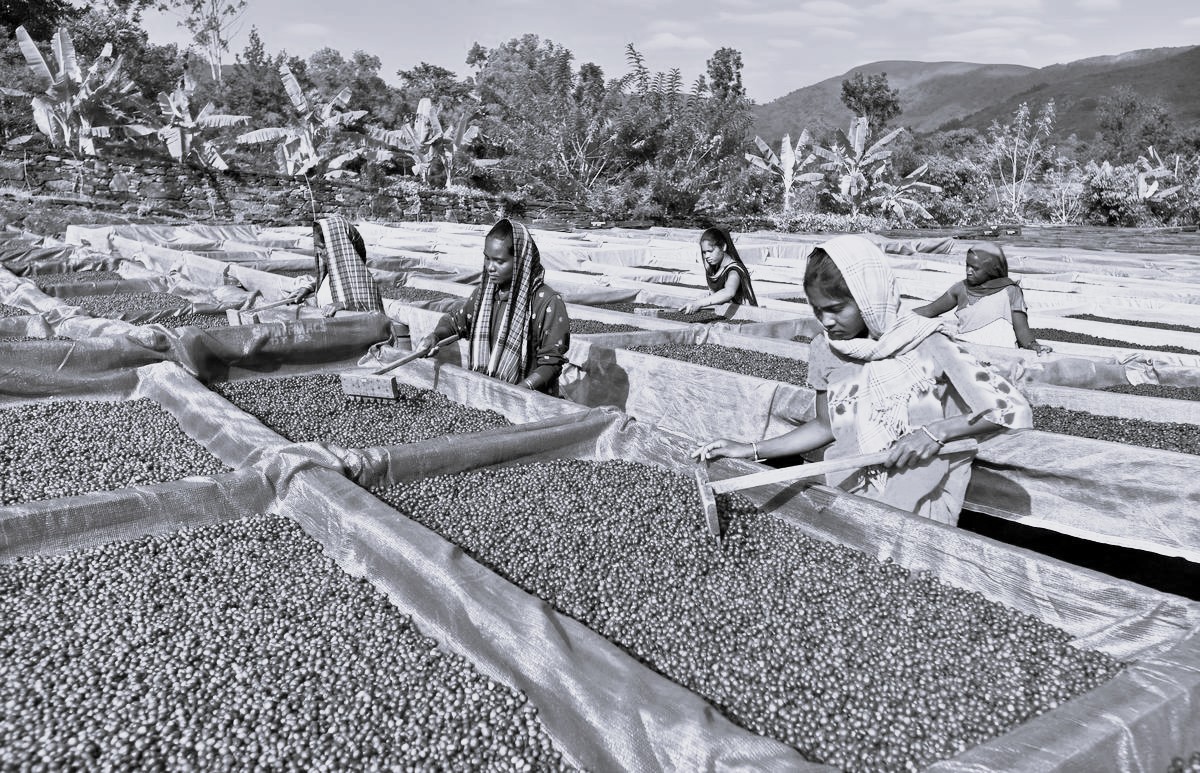
Araku coffee in spotlight after PM Modi’s praise for Indian brews in ‘Mann Ki Baat’
The lush Araku Valley, long known for its rich, organic coffee cultivated by tribal farmers, is once again in the national spotlight after Prime Minister Narendra Modi lauded Indian coffee’s global rise in his Mann Ki Baat address on Sunday. While the Prime Minister highlighted Odisha’s Koraput coffee for its growing recognition, his remarks have stirred renewed optimism among Araku’s growers, who see the moment as a chance to further strengthen Andhra Pradesh’s position on the world coffee map.
In his radio address, Modi spoke about the remarkable diversity of Indian coffee, naming major producing regions across Karnataka, Tamil Nadu, Kerala, and Odisha. He said coffee cultivation is transforming lives in tribal belts and praised individuals who left corporate jobs to return to the soil. His reference to Koraput’s success resonated strongly with Araku’s farmers, who share similar stories of resilience and transformation through coffee cultivation.
The Araku Valley in the Alluri Sitarama Raju district stands as Andhra Pradesh’s pride a thriving ecosystem where thousands of tribal farmers grow high-quality organic Arabica under cooperative models. Supported by fair-trade certification and international branding, Araku coffee has already found loyal buyers in Europe, Japan, and the Middle East. Local producers believe that national recognition for Indian coffee can boost investment, branding, and market access for their own globally admired brew.
India is currently the seventh-largest coffee producer in the world, with exports reaching $1.29 billion in FY 2023–24, nearly doubling from $719 million in 2020–21, according to the Commerce Ministry. Much of this growth comes from the global demand for India’s distinctive Arabica and Robusta beans and a growing market for roasted and instant varieties. For Araku’s growers, this surge signals the potential to move up the value chain from unroasted bean exports to branded, ready-to-brew products that fetch better returns.
Yet, the success story faces fresh hurdles. A recent Coffee Berry Borer (CBB) pest outbreak has affected plantations in parts of Araku and Chintapalli. The Andhra Pradesh government has responded by deploying agricultural teams, distributing funnel traps, and launching awareness drives to contain the pest and protect tribal farmers’ livelihoods. Officials have pledged long-term support through improved pest management and rehabilitation measures.
Cooperative leaders from Araku are calling for enhanced market infrastructure, including roasting and packaging units, better research support, and stronger market linkages. “Araku coffee has earned a name worldwide, but farmers need consistent government backing to scale quality and income,” said one cooperative representative.
Experts view Andhra Pradesh’s Araku model rooted in organic farming, community-based production, and fair-trade branding as a potential blueprint for India’s sustainable coffee future. As Modi’s words brew new enthusiasm, Araku’s hills once again echo with hope — that every bean grown in its red soil will carry the aroma of prosperity from Andhra’s heart to the world’s cup.