
AP Unveils ₹414-Crore AYUSH Expansion with New Colleges, Hospitals
Andhra Pradesh is set to significantly expand its traditional healthcare ecosystem with a ₹414-crore investment aimed at strengthening AYUSH infrastructure, medical education and wellness services across the state. The initiative is part of the government's broader effort to position Andhra Pradesh as a leading destination for Ayurveda, Unani, Naturopathy and Homoeopathy while promoting preventive healthcare.
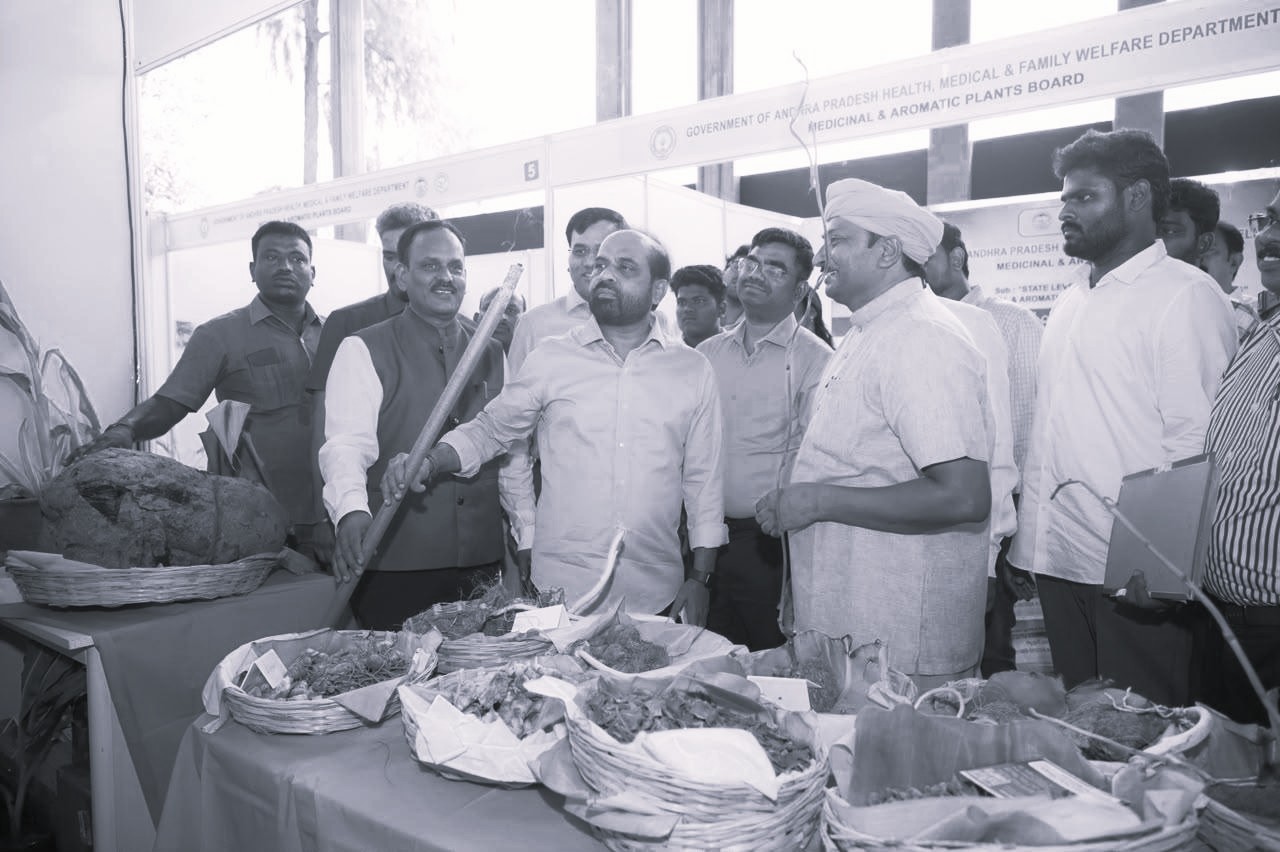
Addressing the State Conference on Sustainable Cultivation of Medicinal Plants, Economic Growth and Marketing Infrastructure in Vijayawada , Health Minister Satya Kumar Yadav said the state is restoring focus to traditional systems of medicine that had witnessed years of neglect. He noted that the government is adopting a predictive, preventive and wellness-centric healthcare model , shifting emphasis from treating illnesses to preventing them through holistic healthcare practices.
A major component of the plan is the establishment of four new AYUSH medical colleges at a cost of ₹280 crore , with ₹70 crore allocated for each institution. The colleges will come up at Dharmavaram and Pithapuram for Ayurveda , Proddatur for Unani , and Visakhapatnam for Naturopathy . The expansion is expected to strengthen the state's capacity to train qualified AYUSH practitioners while boosting research and education in traditional medicine.
The government is also planning integrated AYUSH hospitals in Tirupati, Giddalur, Nandigama, Tenali, Tekkali and Rampachodavaram , improving access to alternative healthcare services in both urban and rural regions. In addition, the modernisation of more than 1,500 AYUSH dispensaries , being carried out with an investment of ₹44 crore , is nearing completion.
The initiative complements the objectives of the National AYUSH Mission , which promotes the integration of traditional medicine into mainstream healthcare. By strengthening infrastructure and expanding educational institutions, the state aims to improve the availability of certified AYUSH services while encouraging greater public acceptance of preventive and wellness-based healthcare.
Highlighting the economic opportunities linked to medicinal plants, Satya Kumar Yadav said crops such as Ashwagandha, Moringa, Amla and Aloe Vera are witnessing growing demand in domestic and international markets. He urged farmers to diversify into medicinal plant cultivation, adding that the Agriculture and Health departments would work together to improve cultivation practices, quality standards and market access.
During the conference, Health Secretary G. Veerapandian stressed the importance of maintaining scientific standards and quality certification for herbal medicines. Director of Secondary Health Kevian Chakradhar Babu cautioned consumers against counterfeit products falsely marketed as natural remedies. The event also featured the launch of a dedicated website for medicinal and aromatic plants , the release of Ayurvedic publications , and the distribution of medicinal plant saplings to farmers, underscoring the state's integrated approach to healthcare, agriculture and rural livelihoods.