
AP to focus on transparent, regulated liquor policy
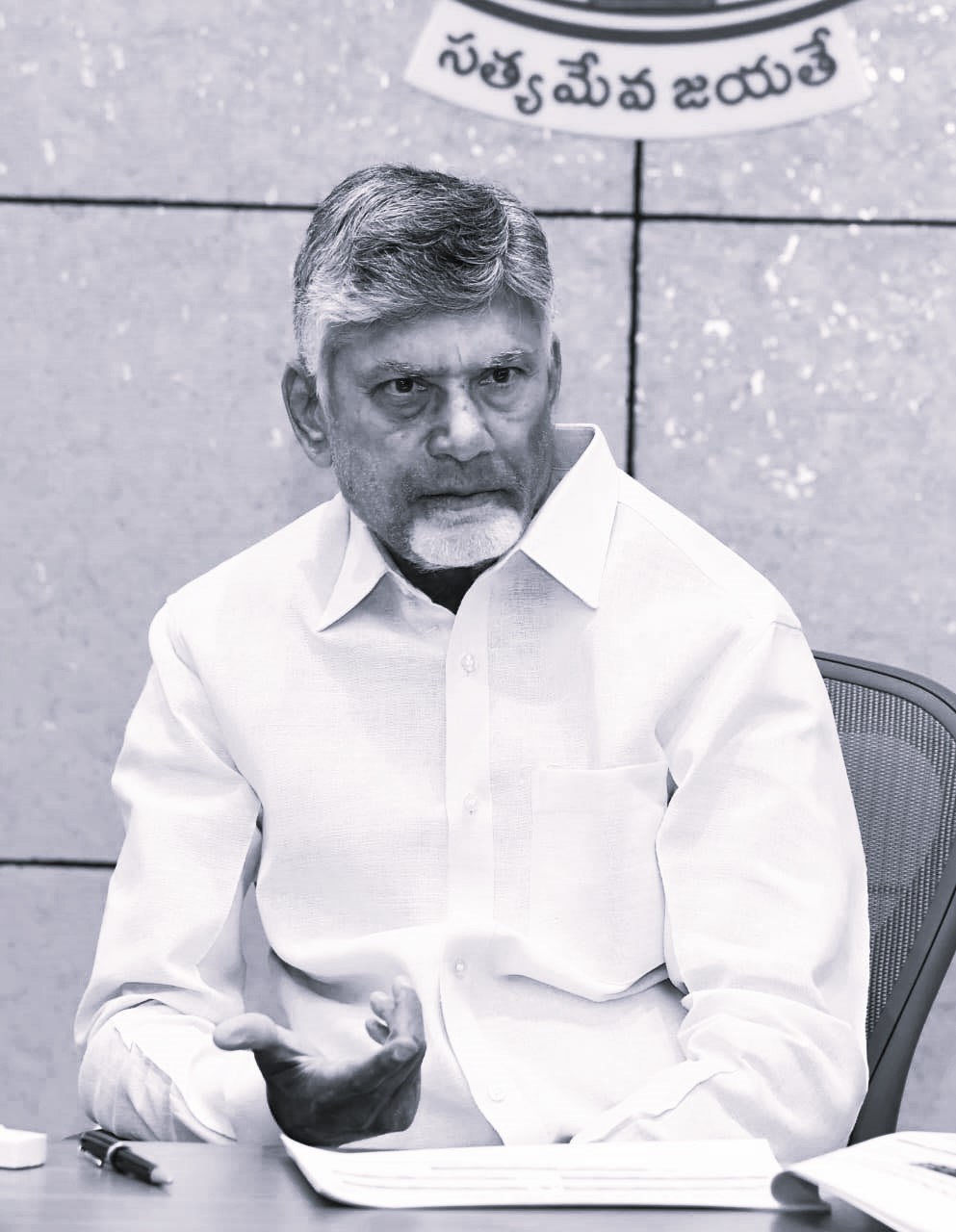
Chief Minister N. Chandrababu Naidu has directed officials to reshape Andhra Pradesh’s liquor policy with a focus on social responsibility and healthy growth, rather than treating liquor sales purely as a revenue-generating business.
During a high-level review meeting of the Excise Department held at the Secretariat on Monday, the Chief Minister stressed that transparency, regulation, and control of illegal practices should take priority over income from liquor sales. He said liquor should be treated like any other consumer product, but with strict and appropriate regulatory safeguards.
He instructed officials to conduct a detailed review of the existing lottery-based shop allocation system, application fees, and retailer profit margins to ensure the system is fair and effective.
Officials informed the Chief Minister that against a target of ₹8,000 crore in excise revenue from October 2024 to October 2025, the state has so far collected ₹7,041 crore.
Between April 1 and December 17 of the 2025-26 financial year, liquor sales recorded an overall growth of 4.52 percent. Sales of Indian Made Foreign Liquor (IMFL) increased by 19.08 percent, while beer sales surged by 94.93 percent. Officials projected that revenue would reach ₹8,422 crore by March next year.
They also noted that Andhra Pradesh has shown the highest growth in IMFL and beer sales in South India, driven by the introduction of international brands and better-quality liquor at affordable prices. However, per capita liquor consumption in the state remains lower than Telangana, with Andhra Pradesh recording 2.77 litres per person, compared to 4.74 litres in Telangana.
Digital payments now account for nearly 35 percent of liquor transactions, with some districts reporting 40 to 47 percent digital usage. The Chief Minister asked officials to further reduce cash transactions by increasing public awareness and improving digital payment infrastructure.
To prevent the sale of spurious liquor, he directed the introduction of a Liquor Identification Number (LIN) on every bottle at the earliest. The LIN should include details such as the brand, batch number, production line, and exact manufacturing time. He said this system could address shortcomings in the existing hologram excise labels.
The Chief Minister also emphasised the use of geo-tagging and real-time tracking to ensure complete transparency in liquor supply chains, along with rationalisation of retail outlets.
Taking a tough stand on illegal liquor outlets, the Chief Minister ordered strict action against belt shops operating without authorisation. He asked officials to study the sub-lease model followed in Haryana as a possible solution to control such illegal sales.
Officials explained that the absence of authorised liquor shops in rural and remote areas has contributed to the growth of belt shops.
As part of environmental protection efforts, officials informed the Chief Minister that the government is examining a Deposit Return Scheme (DRS), under which consumers would receive cash incentives for returning empty liquor bottles after use.