
AP Government’s Population Strategy Part of Long-Term Vision, Says TDP Spokesperson
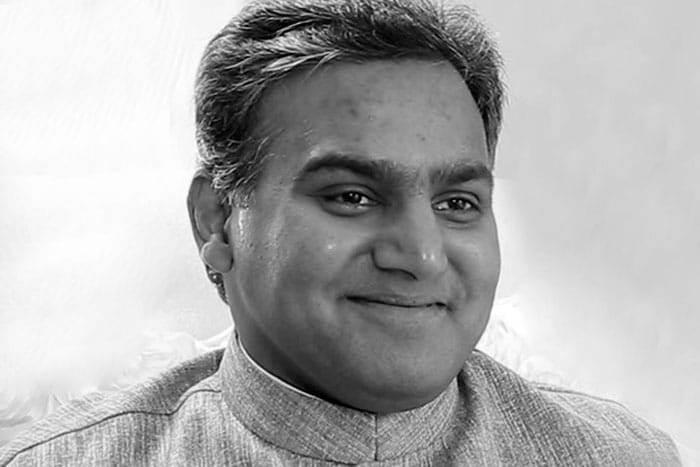
Telugu Desam Party (TDP) national spokesperson Deepak Reddy on Sunday said that Andhra Pradesh is among the states taking early policy-level steps to address the emerging challenge of population decline, describing Chief Minister N. Chandrababu Naidu as a leader with long-term developmental vision.
Deepak Reddy said the state government’s recent decision to extend financial assistance to families with a third and fourth child is part of a broader strategy aimed at strengthening the state’s demographic base. He noted that the move has been designed keeping in mind Andhra Pradesh’s future economic requirements and social stability.
He said these initiatives are aligned with the state’s long-term roadmap ‘Swarna Andhra Vision-2047’ , under which the government has set ambitious economic goals, including expanding the Gross State Domestic Product (GSDP) to USD 2.4 trillion by 2047 and raising per capita income to Rs. 55 lakh on a PPP basis.
According to him, demographic trends are central to achieving these targets. While some northern states in India continue to record a Total Fertility Rate (TFR) of around 3, Andhra Pradesh’s TFR has dropped significantly to nearly 1.5, which he termed a matter of concern for future workforce availability and economic growth.
He warned that if the downward trend continues, the state could face long-term challenges such as labour shortages, economic slowdown, and social imbalance. He also pointed out that population decline could have political implications during future delimitation exercises, potentially reducing the number of parliamentary constituencies allocated to Andhra Pradesh and weakening its representation at the national level.
Deepak Reddy further said that several developed countries are already dealing with similar demographic challenges and have introduced financial incentive-based policies to encourage higher birth rates. In that context, he said Andhra Pradesh’s proactive approach reflects global best practices aimed at ensuring sustainable development.
He added that such forward-looking policies are necessary to secure the state’s economic ambitions and long-term demographic stability.